

How the Right Underlayer Can Extend Rug Life
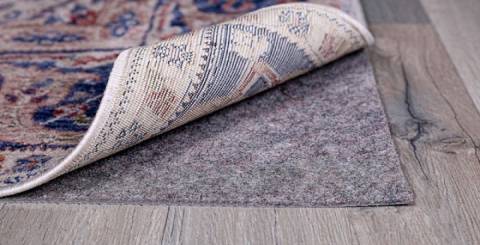
Rugs do far more than add color and texture to your floors—they define spaces, protect surfaces, and add a sense of warmth and comfort. But while many people spend time choosing the perfect rug for their home, they often overlook a key component that’s just as important: the rug pad.
Yes, that seemingly simple layer beneath your rug plays a critical role in preserving its condition and maximizing its lifespan. Skipping this essential addition can lead to premature wear, unsafe movement, and even damage to your floors. As emphasized by specialists who understand the long-term benefits of professional rug padding, what you don’t see beneath your rug can be just as important as the design on top.
Why Rug Pads Matter More Than You Think
At first glance, a rug pad may seem optional—a luxury rather than a necessity. But its functions are many. Rug pads provide traction, preventing rugs from sliding on hard surfaces, which reduces the risk of falls and keeps the rug in place, especially in high-traffic areas.
Beyond safety, they absorb impact from foot traffic, protecting the rug’s fibers from flattening and fraying. This cushioning effect also helps to preserve the rug’s original shape and pattern, making it look newer for longer.
The Floor Beneath Also Benefits
A good rug pad doesn’t just protect your rug—it protects your floors too. Whether you have hardwood, tile, or laminate, rugs that shift or bunch up can cause scratches, scuffs, or even discoloration. Some rug backings, particularly synthetic ones, can react with flooring materials over time, causing unwanted damage.
Rug pads act as a barrier, keeping the rug and floor separated while preventing staining and wear. High-quality pads are also made with materials that won’t break down or stick, ensuring a clean lift even after years of use.
Choosing the Right Pad for the Job
Not all rug pads are created equal, and choosing the wrong one can actually do more harm than good. The best type of pad depends on your flooring, rug size, and room function.
For hard floors like wood or tile, a rubber or felt-rubber combo offers the best grip and cushioning. In carpeted rooms, thinner pads with a texture that grips both the carpet and rug work best. For larger rugs, a denser felt pad can add plushness and soundproofing, making rooms feel quieter and more luxurious.
Another key point? Size matters. Your rug pad should be trimmed to about one inch shorter on all sides than your rug, ensuring the edges taper naturally to the floor and eliminate tripping hazards.
Moisture and Air Circulation
Proper rug padding also helps promote airflow underneath your rug. This reduces the risk of mold, mildew, or unpleasant odors, especially in areas that may be prone to moisture—like entryways or basements.
Pads with breathable materials allow air to circulate while creating just enough separation from the floor to prevent moisture buildup. Some higher-end versions even include antimicrobial properties, providing added protection against allergens and bacteria.
Reducing Everyday Wear and Tear
It’s inevitable: rugs take a beating. From dragging chairs to pacing pets to kids at play, the constant motion can cause fibers to compress or loosen. With a quality underlayer, the impact is softened, and the force is spread more evenly across the surface of the rug. This drastically slows down signs of wear like thinning, curling edges, and unraveling.
You may not notice the difference on day one, but over the months and years, rugs with proper padding age better and maintain their integrity far longer than those without.
Investing in Longevity
When you consider the cost of replacing a worn-out rug—not to mention refinishing damaged floors—the investment in a proper pad seems minimal. It’s one of those behind-the-scenes upgrades that pays off quietly but consistently, extending both the visual appeal and structural life of your rug.
Professionals who specialize in professional rug padding recommend reevaluating your current pad situation every few years, especially if your rug has shifted, lost its comfort, or begun to show uneven wear.
A Foundation Worth Paying Attention To
In home design, it’s often the invisible elements that make the biggest difference. Rug padding may not get much attention, but it plays a vital role in the comfort, safety, and longevity of your floors and furnishings. When chosen thoughtfully, a high-quality underlayer isn’t just an accessory—it’s an investment in the life of your rug.
Similar Articles
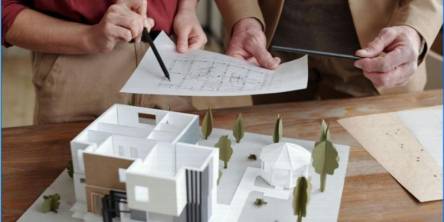
Most homeowners approaching a granny flat project spend considerable time thinking about the end result and considerably less time thinking about the floor plan decision that will largely determine what that result looks and feels like.

Running out of room? Happens to almost everyone eventually. Garages fill up, closets overflow, and suddenly the lawnmower is living next to the holiday decorations in some awkward standoff.
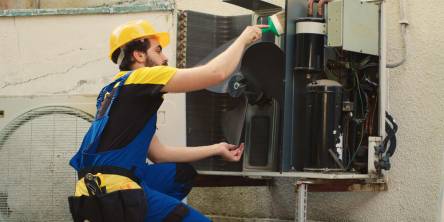
Heating and cooling equipment affect more than the temperature on the thermostat. It influences comfort between rooms, humidity, airflow, and the condition of the air as it moves through the home.

The key to a minimalist living room is restraint, but that's not enough to make a room feel finis
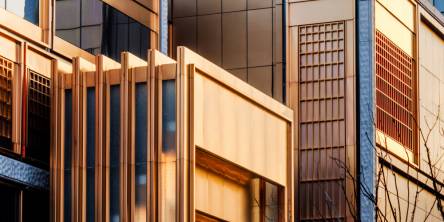
Rectification of exterior cladding may be required during the lifetime of a building for several reasons: to replace non-compliant cladding/combustible panels, to repair damage, to improve energy efficiency, or to modernise an older building.

A tunnel greenhouse is designed to provide years of growing space, but not every part of the structure has the same lifespan.
Australian hardwood presents a very different challenge from the lighter timber commonly used in many parts of the northern hemisphere.
Why Do Concrete Driveways Turn Orange After Summer Rain? Learn the causes—rust, minerals, irrigation—and how to clean and prevent stains.
DIY mistakes can quickly turn a money-saving project into an expensive repair. Learn how better planning, the right tools and knowing when to call a professional can help you avoid costly setbacks.