

How Long Does a Tunnel Greenhouse Last? A Guide to Frames, Covers, and Replacement
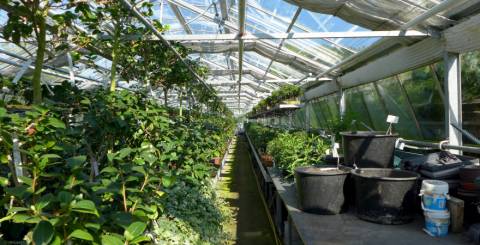
A tunnel greenhouse is designed to provide years of growing space, but not every part of the structure has the same lifespan. The steel or metal frame can remain useful for a decade or longer, while the plastic film covering usually needs to be replaced every few years. Understanding the difference between the permanent frame and the consumable cover helps growers plan maintenance costs and avoid unexpected repairs.
How Long Does a Tunnel Greenhouse Last?
A well-built tunnel greenhouse can last for many years when the frame is properly maintained. Steel hoops that are galvanized or otherwise protected against corrosion can often remain structurally sound for a decade or more.
The plastic covering has a much shorter lifespan. Depending on its quality, climate, installation, and exposure to weather, greenhouse film may last anywhere from two to several growing seasons.
This means buying a tunnel greenhouse should be viewed as a long-term investment in the frame, with the plastic cover treated as a component that will eventually need replacement.
How Long Does Greenhouse Plastic Last?
The lifespan of greenhouse plastic depends heavily on ultraviolet exposure. Manufacturers add UV stabilizers to greenhouse film to slow down damage caused by sunlight, and products are often sold with ratings such as two-year, four-year, or longer service lives.
However, these ratings are based on specific exposure conditions. A cover exposed to intense sunlight, high temperatures, strong winds, or frequent temperature changes may deteriorate faster.
Aging film does not always fail by developing a single obvious hole. Over time, it can become brittle, cloudy, and less flexible. Light transmission may also decrease, reducing the amount of sunlight reaching crops. Eventually, even a small amount of wind or tension can cause the weakened film to tear.
Why Abrasion Can Shorten Film Life
Sunlight is not the only threat to greenhouse plastic. Constant movement against the frame can also cause premature wear.
During windy conditions, the plastic moves back and forth against the hoops. Repeated friction creates thin areas that can eventually tear. This is especially noticeable when damage appears along the exact lines where the plastic touches the frame.
One simple way to reduce this problem is to use protective tape over the hoops before installing the film. This creates a smoother surface and reduces direct contact between the plastic and metal.
When Is the Best Time to Replace Greenhouse Film?
Temperature matters when recovering a tunnel greenhouse. Warm weather makes greenhouse plastic more flexible and easier to stretch over the frame.
Installing film on a cold morning can make the material stiff and difficult to work with. It may develop wrinkles and fail to conform smoothly to the structure.
A warm, calm day is generally easier for installation. The film can be stretched more evenly, helping create a smooth and secure cover.
Why Warm-Weather Installation Helps
Greenhouse film naturally contracts as temperatures fall. When properly installed on a warm day, this natural contraction can help create a tight finish as the temperature drops.
The result is often a smoother cover with less slack. On the other hand, installing film too tightly in cold conditions can create problems when temperatures rise and the material expands.
For this reason, choosing the right weather can make the installation process easier and improve the finished result.
Choosing the Right Method for Securing the Cover
The way the greenhouse film is attached can make a major difference when it eventually needs to be replaced.
Buried edges are inexpensive and provide a secure installation, but replacing the film can become a labor-intensive process because the edges must be dug out.
Channel and wiggle wire systems offer a more convenient alternative. The film can be removed and installed again without disturbing the soil around the structure.
Batten strips are another option. They are simple and affordable, although the installation method can create holes or stress points around the fastening areas.
For growers who expect to replace their cover several times, a reusable attachment system can save considerable effort.
How to Extend the Life of Greenhouse Plastic
A few practical measures can help maximize the lifespan of greenhouse film:
- Choose UV-treated film designed for your climate.
- Cover or tape metal hoops to reduce abrasion.
- Keep the film properly tensioned.
- Avoid installing plastic during very cold weather.
- Repair small tears before they become larger.
- Inspect the cover regularly for signs of brittleness or wear.
These steps will not make greenhouse film permanent, but they can help growers get closer to its expected service life.
Plan for the Frame and Cover Separately
The most practical way to think about a tunnel greenhouse is as two connected products. The frame is long-term infrastructure, while the plastic cover is a recurring expense.
A strong frame can remain useful through several cover replacements. Investing in a durable structure and taking care of the film can therefore provide a more predictable growing system over time.
For growers planning season extension year after year, budgeting for future film replacement is just as important as choosing the original frame. With the right materials, installation method, and maintenance routine, a tunnel greenhouse can remain productive for many seasons.
Similar Articles
Most of the decisions that make or break a detached garage happen before a single wall goes up.

If you have ever cleared the dining table for a blow-up mattress, or given up your own bedroom for a week while relatives filled the house, you already understand the problem.

According to environmental studies, the average person spends roughly ninety percent of their life indoors. This staggering reality has sparked a widespread shift in how we approach interior spaces, especially as remote work and digital lifestyles keep us tethered to screens.

The garden has quietly become the most valuable extra room in the British home. With hybrid working now a fixture rather than a phase, the wider outdoor-living economy is booming.
Most people who hire a skip bin for the first time arrive at the decision under some degree of pressure. The renovation has started, the waste is accumulating, and the question of what to do with it has become urgent.

Most homeowners approaching a granny flat project spend considerable time thinking about the end result and considerably less time thinking about the floor plan decision that will largely determine what that result looks and feels like.

Running out of room? Happens to almost everyone eventually. Garages fill up, closets overflow, and suddenly the lawnmower is living next to the holiday decorations in some awkward standoff.
Heating and cooling equipment affect more than the temperature on the thermostat. It influences comfort between rooms, humidity, airflow, and the condition of the air as it moves through the home.

The key to a minimalist living room is restraint, but that's not enough to make a room feel finis