

Can a Sleek TV Stand Really Anchor a Minimalist Living Room?
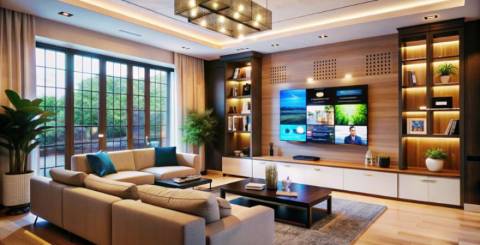
The key to a minimalist living room is restraint, but that's not enough to make a room feel finished. The television often becomes the largest visual element, so its support deserves careful thought.
A sleek TV stand can provide balance, conceal equipment, and establish a clear focal point without crowding the room. Its success rests on proportion, storage, materials, and placement, not decoration. This guide explains what to assess before choosing one for daily living.
Start with wall width, screen size, seating distance, and walking paths. A console should extend beyond the television, while a low profile keeps sight lines open. In compact rooms, wall-mounted storage can help preserve floor space. These checks help compare contemporary ultra-modern TV stand furniture width, finish, storage, and installation needs before a purchase with confidence.
Proportion Comes First
A TV stand should be directly proportional to the room’s scale. A unit that is too narrow can make a large screen appear unstable. One that is too broad may dominate the wall and reduce visual calm.
The stand should usually extend several inches beyond each side of the television. This creates a stable horizontal line and gives decorative objects room without forcing them close to the screen.
Height also affects comfort. The center of the display should be near seated eye level. A low console often works well with sofas, while a wall-mounted arrangement can suit lower seating.
Storage Without Visual Noise
Minimalism does not remove the need for storage. Streaming devices, game systems, speakers, remotes, and cables still require practical space.
Closed drawers or doors keep small items out of sight. Open shelving can display a few books or objects, but too many visible pieces quickly weaken the room’s clean appearance.
Adjustable shelving adds flexibility as equipment changes. Ventilation should remain part of the decision, since enclosed electronics need airflow to prevent heat buildup.
Materials Set the Tone
Material choices influence how strongly the unit stands out. Wood tones bring warmth to white walls and pale flooring. Glossy surfaces reflect light, though they can reveal fingerprints and glare.
Stone, ceramic, or sintered tops add weight and texture. These finishes can suit rooms that already include glass, metal, or polished flooring. A restrained palette usually creates a quieter result than several competing textures.
Colors should accentuate the larger space. For a more seamless look, try matching the stand with the floor, nearby cabinets, or shelves. With similarly understated pieces of furniture, a subtle contrast can be effective.
Also Read: Frameless Shower Panel – The Modern Bathroom Essential
Plan the Wall as a Composition
A TV stand rarely works in isolation. The surrounding wall determines whether the arrangement feels balanced or unfinished.
A media panel can frame the display and hide cables behind a controlled surface. Tall shelving can add vertical balance, especially when the television occupies a wide, low section.
Artwork should not compete with the screen. Spacing is more important than quantity when it comes to decorations. Making sure there are empty spaces around the display can help alleviate eye strain.
Treat Cables as Part of the Layout
Messy, exposed wires can ruin a neat room. Cable routes should be planned before the stand or wall unit arrives.
Power outlets, signal connections, and speaker leads need suitable positions. Wall-mounted units may require professional installation, especially when the wall material or television weight creates extra demands.
A simple cable channel can solve minor problems. Larger setups may benefit from rear access panels, grouped outlets, and labeled connections. These details make cleaning easier and reduce future rearrangement.
Choose Features That Serve the Room
A successful stand supports everyday habits. Families may need durable surfaces and generous drawers. Smaller households may prefer a narrow console with one open shelf.
Room lighting also deserves attention. Glossy fronts can reflect windows, while dark finishes may appear heavy in rooms with limited daylight. Measuring the viewing angle helps prevent uncomfortable positioning.
The best choice offers enough capacity without filling every available inch. Open floor around the unit preserves movement, while a clear relationship between the screen, sofa, and storage keeps the arrangement coherent.
Conclusion
A sleek TV stand can anchor a minimalist living room when its size, storage, finish, and placement work together. The strongest choice keeps the screen at a comfortable height, hides necessary equipment, and leaves enough open space for movement and light. Careful measurement matters more than ornament.
With a restrained material palette and purposeful cable planning, the stand becomes a quiet structural element, giving the room focus without making the television feel oversized or disconnected.
Similar Articles

Heating and cooling equipment affect more than the temperature on the thermostat. It influences comfort between rooms, humidity, airflow, and the condition of the air as it moves through the home.

Rectification of exterior cladding may be required during the lifetime of a building for several reasons: to replace non-compliant cladding/combustible panels, to repair damage, to improve energy efficiency, or to modernise an older building.

A tunnel greenhouse is designed to provide years of growing space, but not every part of the structure has the same lifespan.

Australian hardwood presents a very different challenge from the lighter timber commonly used in many parts of the northern hemisphere.

Why Do Concrete Driveways Turn Orange After Summer Rain? Learn the causes—rust, minerals, irrigation—and how to clean and prevent stains.

DIY mistakes can quickly turn a money-saving project into an expensive repair. Learn how better planning, the right tools and knowing when to call a professional can help you avoid costly setbacks.
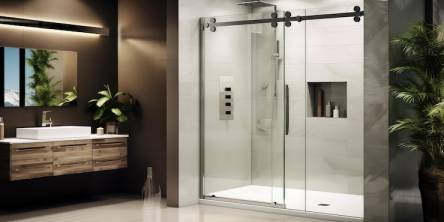
Modern bathrooms have evolved from purely functional spaces into relaxing retreats that balance comfort, aesthetics, and practicality.
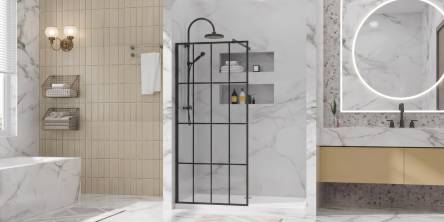
Bathrooms have evolved far beyond their purely functional role. Today, they're carefully designed spaces that reflect personal style while balancing practicality, durability, and long-term value.
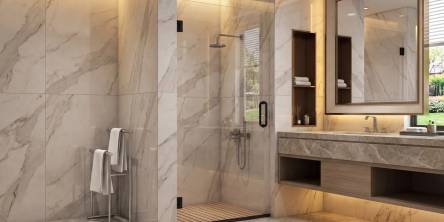
A shower door is one of the most dependable shower enclosure options for homeowners who value durability, affordability, and timeless style.