

Processing Australian Hardwood: What Makes It Different From Softwood
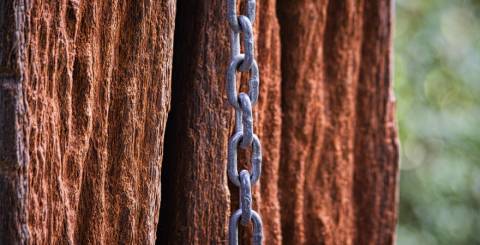
Australian hardwood presents a very different challenge from the lighter timber commonly used in many parts of the northern hemisphere. Species such as ironbark, red gum, stringybark and box are dense, heavy and often unpredictable when they are cut or split.
That difference affects almost every part of firewood preparation. Cutting speed, splitting force, equipment wear, handling and drying time all need to be considered when processing native hardwood.
For anyone preparing substantial quantities of firewood, choosing and using the right equipment is only part of the job. Understanding how the timber behaves can make the process safer, more efficient and considerably easier on the machinery.
Why Australian Hardwood Puts More Demand on Equipment
A major difference between Australian hardwood and common softwoods is density.
Pine, spruce and fir tend to be relatively light and have grain that generally responds predictably to a splitting wedge. Many Australian hardwoods contain considerably more material within the same volume, which means that a log of a particular diameter can be surprisingly heavy.
That extra weight affects the entire processing cycle.
A heavy round requires more effort to move into position, while the splitting system has to overcome greater resistance. The cutting system can also spend more time working under load, particularly when dealing with large or particularly dense pieces.
This is one reason why a properly sized firewood processor can be useful for properties that regularly handle large quantities of Australian hardwood. Mechanical assistance does not make the timber less difficult, but it transfers much of the physical workload from the operator to the machine.
The Hidden Problem: Stress Inside the Log
Density is not the only characteristic that makes eucalypt timber challenging.
Trees develop internal stresses while they are growing. Once a tree is standing, these forces remain balanced within the trunk. Cutting the timber changes that balance, sometimes causing the wood to move unexpectedly.
A log that looks completely ordinary from the outside can therefore behave very differently once the saw enters it.
When a Cut Closes
One possible reaction is for the kerf to close around the cutting equipment.
This can happen when forces within the log cause one section to move towards another. If the cut closes sufficiently, the bar can become trapped and the chain may stop.
Trying to force the cut is generally a poor solution. It can increase the pressure on the equipment and make an already difficult situation worse.
Experienced operators learn to inspect the shape and tension of a log before cutting it. A pronounced bend, for example, can provide clues about where compression is present. Changing the orientation of the log may sometimes produce a more predictable cut.
Some Logs Move Apart With Considerable Force
The opposite situation can be just as important.
When internal tension causes a cut to open, the separated section may move suddenly as the remaining fibres break. With dense hardwood, even a relatively short piece can have considerable mass.
That means the area around the cutting and processing equipment needs to be treated as a working zone rather than simply a place where timber is sitting.
Operators should avoid positioning themselves directly in line with a stressed section of timber. Keeping unnecessary people away from the processing area is equally important.
The key point is simple: timber does not always move in the direction expected from its appearance.
Interlocked Grain Can Make Splitting More Difficult
Another characteristic found in some Australian hardwoods is irregular or interlocked grain.
Straight-grained timber often separates relatively cleanly when a splitting wedge follows the natural direction of the fibres. Interlocked grain behaves differently. Fibres can cross and twist through the timber, preventing a clean split.
Instead of separating into two pieces immediately, a round may tear unevenly or remain connected by a strip of wood.
This can increase the number of passes required and place additional demands on the splitting system.
It also explains why performance figures based on softwood should not automatically be applied to every hardwood species found in Australia.
Processing Fresh Timber Has an Advantage
Timing can make a significant difference.
Freshly cut hardwood generally contains substantial moisture, and green timber can be easier to split than the same material after it has been left sitting in log form for an extended period.
As timber loses moisture, its fibres become harder and the resistance encountered during splitting can increase. Processing reasonably soon after felling can therefore reduce some of the mechanical difficulty.
There is another reason timing matters: drying.
Hardwood intended for heating needs adequate time to lose moisture before it is burned. Simply cutting and splitting a load of timber does not mean that it is immediately ready for the stove or heater.
Australian Firewood Needs Time to Dry
Dense hardwood can take considerably longer to season than lighter timber.
The exact drying period depends on species, log size, splitting size, climate, airflow, stacking method and weather conditions. In many situations, a full warm and dry season is only part of the process, particularly for large pieces of dense hardwood.
This makes the timing of firewood preparation important.
Timber processed towards the end of winter has the warmer months ahead of it, providing a useful opportunity for evaporation. Good stacking and exposure to moving air can further improve drying conditions.
Rather than asking only when the firewood will be burned, it is often more useful to work backwards from the intended burning season and prepare the timber well in advance.
Sorting Hardwood Before Processing Saves Time
Not every Australian hardwood behaves in exactly the same way.
Separating timber by species and size before it reaches the machine can make a long processing session more manageable. It also allows an operator to anticipate which material is likely to require more cutting or splitting effort.
Some commonly encountered characteristics include:
- Red gum: dense timber that can split reasonably well once correctly positioned.
- Ironbark: extremely heavy and demanding to cut, but valued for its excellent heat output.
- Stringybark: often affected by interlocked fibres, making clean splitting more difficult.
- Box species: can be demanding on cutting equipment and may require extended seasoning.
These are broad characteristics rather than guarantees. Individual logs can behave differently depending on their age, moisture content, size and internal structure.
Equipment Wear Deserves Attention
Heavy hardwood does not only affect productivity. It can also accelerate wear.
Chains and bars are exposed to greater cutting demands when dense timber is processed repeatedly. Bark and dirt on logs can add another source of abrasion, particularly when timber has been stored or dragged across the ground.
Hydraulic systems can also experience substantial heat during prolonged heavy operation.
For that reason, routine inspection becomes particularly important when processing hardwood. Chain condition, bar condition, hydraulic oil, fittings and other wear points should be checked according to the equipment manufacturer's recommendations.
A small maintenance task carried out early can prevent a much longer interruption later.
Where Mechanical Processing Makes the Biggest Difference
The greatest advantage of a processor becomes apparent when the quantity of timber is large.
Splitting a few pieces by hand may be perfectly practical. Processing a season's supply for a household, farm or rural property is a completely different proposition.
A mechanical system can help with:
- Handling heavy rounds that are difficult to lift manually
- Reducing repetitive physical work
- Processing large quantities more consistently
- Moving processed timber away from the cutting area
- Combining several preparation stages into one workflow
There are still limitations. Hardwood processing may produce lower hourly output than softwood processing, and difficult or stressed logs still require an experienced operator.
The machine does not remove the challenges presented by the timber. It simply allows much of the physical workload to be handled mechanically.
Choosing Equipment Around Local Conditions
A common mistake when assessing machinery is to look only at headline production figures.
A machine that performs well with plantation-grown softwood may behave differently when presented with large, dense Australian hardwood rounds.
The more useful questions are often practical ones:
- What species will be processed most frequently?
- What diameter and weight of logs will be handled?
- How green or seasoned will the timber be?
- How much timber needs to be processed each season?
- How much manual handling can the operator realistically manage?
- What maintenance requirements come with prolonged heavy use?
These questions provide a much better basis for selecting equipment than simply comparing advertised output figures.
For Australian properties, the local timber supply should be treated as part of the equipment specification. The characteristics of the material determine what the machinery will actually be asked to do.
The Bottom Line
Australian hardwood can be demanding, but its challenges are manageable when the entire process is planned around the timber.
Density affects cutting and splitting. Internal growth stress can cause logs to move unexpectedly. Interlocked grain can make splitting unpredictable, while the moisture content of freshly felled wood makes processing and seasoning a long-term task rather than a single day's work.
Good preparation therefore starts before the log reaches the machine.
Understanding the species, inspecting timber for signs of stress, processing suitable material at the right stage, maintaining equipment, and allowing enough time for seasoning can all improve the results.
For Australian landowners and rural operators, this practical approach is increasingly important. Equipment supplied by TMG Industrial is used in environments where local timber characteristics, working conditions, and the scale of the job all influence how useful a machine will be.
Ultimately, successful hardwood processing is less about forcing difficult timber through a machine and more about understanding the material and choosing a workflow that works with it.
Similar Articles

If you have ever cleared the dining table for a blow-up mattress, or given up your own bedroom for a week while relatives filled the house, you already understand the problem.

According to environmental studies, the average person spends roughly ninety percent of their life indoors. This staggering reality has sparked a widespread shift in how we approach interior spaces, especially as remote work and digital lifestyles keep us tethered to screens.

The garden has quietly become the most valuable extra room in the British home. With hybrid working now a fixture rather than a phase, the wider outdoor-living economy is booming.

Most people who hire a skip bin for the first time arrive at the decision under some degree of pressure. The renovation has started, the waste is accumulating, and the question of what to do with it has become urgent.

Most homeowners approaching a granny flat project spend considerable time thinking about the end result and considerably less time thinking about the floor plan decision that will largely determine what that result looks and feels like.

Running out of room? Happens to almost everyone eventually. Garages fill up, closets overflow, and suddenly the lawnmower is living next to the holiday decorations in some awkward standoff.

Heating and cooling equipment affect more than the temperature on the thermostat. It influences comfort between rooms, humidity, airflow, and the condition of the air as it moves through the home.

The key to a minimalist living room is restraint, but that's not enough to make a room feel finis
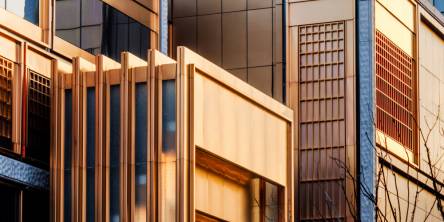
Rectification of exterior cladding may be required during the lifetime of a building for several reasons: to replace non-compliant cladding/combustible panels, to repair damage, to improve energy efficiency, or to modernise an older building.