

Why Some Concrete Driveways Turn Orange After a Rainy Summer
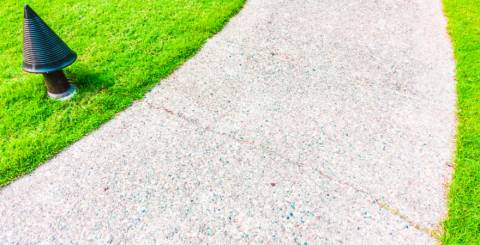
In spring a concrete driveway may appear completely clean, but then in the summer, after a few days of rain, it may develop patches of orange or reddish-brown color. The change may be particularly apparent in July, when downpours occur often, and humidity is high, landscaping is in full swing, lawns are watered, and vegetation is growing rapidly. Orange staining might initially seem to be a concrete issue. However, in many cases, the color is from materials that are transported over the surface by water. Stains can be caused by mineral deposits, rust, soil, fertilizer residue, irrigation runoff and decomposing plant material, which may become more noticeable as they dry. It is important to understand the source of the discoloration as the safest way to clean it will vary according to the source. Surface dirt can cause a stain that can be cleaned with regular cleaning methods, whereas iron-based rust staining may need a different method. Early action can also be the key to getting rid of a summer stain or making it more difficult to remove.
Why Rainy Summer Weather Makes Orange Stains More Noticeable
Concrete does not typically turn orange from the rain. Rather, rain water carries it. In a dry spell, dust, soil particles, pollen, fertilizer residue and small quantities of metal oxidation can accumulate around a driveway without being noticed. Heavy rain will cause these materials to flow towards low points. The water drains through the porous concrete and a portion of the material may become embedded in the concrete. This is more common in the summer. Lawns are in full growth, gardens are watered and mulch and soil may be visible around the edges of the driveway. Wetting and drying can result in deposition of layers of residue. Concrete has a natural porosity. Although a driveway may appear smooth, there are small areas that can trap moisture and small particles. After an orange-colored material has been introduced into those areas, a simple rinse might not be enough to completely remove it.
Mineral Deposits Can Leave Rust-Colored Marks
Iron is one of the most common causes of orange/brown staining. Iron may be found naturally in the groundwater and soil. If the water with iron is brought onto the driveway and comes in contact with oxygen, the iron may oxidize and leave a reddish, orange or brown stain. This process is similar to the process of rusting of iron objects. The source may be hard to detect since the water may appear perfectly clear. The effect of a homeowner may not be felt until after a few watering cycles or rainstorms. Patterns can be formed with the mineral-rich water from a sprinkler system. For instance, if there are circular or fan-shaped stains around sprinkler heads, it could be a sign that the water from the sprinklers is being sprayed over and over on the concrete.
Rust Runoff From Metal Objects
Not all rusty stains are caused by the soil. Orange runoff can also be caused by metal objects in the vicinity of a driveway. Iron particles can be released when rusting gates, steel edging, old tools, outdoor furniture, metal planters, gutters, downspouts and exposed fasteners corrode. The particles are then swept onto the concrete by the rain water. One of the best indicators is where the stain is. The orange mark may start under a metal gate or along a narrow path from a downspout, in which case the metal object could be the source. If the stain is not corrected, the concrete may become stained again when it rains. That's why it's important to first determine where the contamination is before selecting a cleaning product.
Irrigation Can Spread Discoloration
Another common source is lawn and garden irrigation. Sprinklers are prone to accidentally spraying driveways, sidewalks, retaining walls, etc. hard surfaces. Exposures over time can leave deposits if the water used for irrigation is iron or other mineral rich. Staining can even occur on a driveway if the water is not unusually mineralized, but it does carry soil and organic material onto the driveway. So it is worthwhile to check the alignment of the sprinklers. A sprinkler head that has moved just a little bit could start to spray a portion of concrete each day. After a few weeks, the small amount of overspray will form a noticeable discolored area. Homeowners can minimize the issue by turning sprinkler heads so that water is directed to the planted areas. Leaks and over-irrigating near concrete edges can also be rectified.
Landscaping Can Add to the Problem
Many homeowners are not aware of the impact that the landscaping around a driveway can have on the appearance of the concrete. During heavy rain, bare soil at the edge of the driveway can wash onto the driveway. Mulch may decompose and release black organic matter. Water can also collect in natural drainage areas such as leaves, grass clippings, compost and rotting vegetation. Certain landscaping materials may have iron-rich soil or decorative stones that may cause orange or brown discoloration. Rain or irrigation can also carry the fertilizer residue. Staining may be more likely to occur on driveways that have heavy planting around them, due to the increased number of potential sources of organic and mineral material. A narrow, clean planting bed border to concrete can help to reduce runoff. Gutters and downspouts should also be routed away from places where soil and mulch can flow right onto the driveway.
How to Tell What Is Causing the Orange Stain
Before trying to remove an orange mark, homeowners should look at its pattern. Irrigation can be indicated by a stain that is concentrated around sprinkler spray zones. A thin path starting near a metal object could indicate rust run-off. Wet patches around the perimeter of a garden bed could be from soil, mulch or landscape runoff. The time might give another hint. Runoff may be a consideration if discoloration occurs soon after a few rainy days. If it occurs slowly in the same place, without regard to rainfall, irrigation or a continuous water source may be the cause. In addition to looking at the concrete, homeowners should take a look around the area. Inspect downspouts, sprinkler heads, garden borders, metal structures, drainage channels and water collection areas. It is better to locate and remove the source of the stain than to continue scrubbing the stain over and over.
What Homeowners Can Do Before Stains Become Permanent
Attention is typically the easiest method. Rather than leaving loose soil and plant material on wet concrete, it should be swept away regularly. If a big storm occurs, raking leaves, mulch and sediment from the driveway can help minimize the amount of material remaining after the water evaporates. Overspray from sprinklers should be cleaned up and leaking outdoor fixtures should be fixed. Water that flows directly across the driveway can be reduced by improving the path of water flow from the downspout. It also helps to prevent the contact of metals with concrete. If the driveway is cleaned, but the rusting planter or garden edging continues to cause discoloration, then the problem is likely to be caused by the metal in the edging.If the driveway is cleaned and the rusting planter or garden edging is still causing discoloration, the problem is probably due to the metal in the edging.
Pressure Washing Can Help With Surface Discoloration
If the source has been determined, pressure washing can be helpful in removing surface dirt, loose mineral residue and other accumulations. If homeowners are not certain about the best way to clean concrete, they can seek advice from the local pressure washing companies in Clarksburg WV on how to safely clean the concrete surface without causing any unnecessary damage. But more pressure isn't necessarily good. The improper pressure, the wrong nozzle or keeping the spray too close to the concrete can cause damage. Hard scrubbing can cause marks to be visible or show the aggregate. If you're doing it yourself, it's a good idea to begin with a lower pressure setting and see how it works on a small, inconspicuous test area. Other surfaces, such as grass, plants, and surrounding surfaces should also be protected from runoff. If the discoloration has gone deep into the concrete, it may not be possible to completely remove it by pressure. If that is the case, an appropriate stain removal process might be required.
Avoid Treating Every Orange Stain the Same Way
One of the most frequent errors is to think that all orange discoloration is just normal dirt. The effects of rust stains, mineral deposits, organic residue and soil runoff are different. The same effective cleaners might not work for all stains or be suitable for all stains. It is also important for homeowners to not mix cleaning chemicals. Some products may cause harmful reactions, and some may damage plants, grass, metal fixtures or the concrete. It's a good idea to test the cleaning technique in a small, out-of-the-way area. If the stain is large, old or hard to identify, professional evaluation will eliminate needless experimentation.
Prevention Matters After Cleaning
However, the first step is only half the solution when it comes to removing the existing discoloration. The orange stains are likely to reappear if the irrigation continues to spray the driveway, or if a downspout continues to carry soil across the concrete. There are some simple maintenance practices that can help minimize that risk. Maintain clear drainage paths, keep downspouts off of the driveway, trim plants that allow debris to accumulate against concrete, and adjust sprinklers to avoid excess water spray. Also, if you notice issues after heavy summer storms, a quick inspection can help you notice problems before they turn into stains. Check for any standing water, muddy runoff, new streaks or debris that accumulates in the same spots.
The time when Professional Cleaning Makes Sense
There are some stains that can be easily dealt with, especially if they are recent and confined to the surface layers. Older stains can be more difficult to remove as iron and other stains can get trapped in the porous concrete. Professional cleaning may be helpful if simple rinsing and surface cleaning have not been successful. The experienced cleaners can determine the stain, take into account surrounding landscaping, and determine a method that is suitable for the concrete. The second alternative is to consult with the local pressure washing companies in Clarksburg WV in the event that the driveway needs more comprehensive cleaning of the surface. The key is to fix the cause of the discoloration, not to continually wipe the same spot without fixing the problem.
How to maintain a clean Concrete Driveway in the Summer
Rainy summer stains of orange color are not necessarily a driveway problem. Minerals, rust, soil, mulch and organic material from nearby areas can be carried by rain to the area and deposited when the surface dries. The first step to the best answer is to observe. If the homeowner is able to determine the source of the water and the discolored material, they may be able to prevent the issue from worsening. Making irrigation adjustments, making improvements to drainage, moving rusting objects and keeping landscaping debris away from the concrete can make a difference. If stains have already occurred, mild and proper cleaning should be done prior to harsh treatment. Pressure washing may be useful for certain surface accumulation, but should be done carefully and taking into consideration the source of the stain. Most homeowners can maintain their concrete driveways more clean and minimize the occurrence of those unsuspecting orange spots after the next rain with regular summer maintenance and attention to drainage.
Similar Articles

If you have ever cleared the dining table for a blow-up mattress, or given up your own bedroom for a week while relatives filled the house, you already understand the problem.

According to environmental studies, the average person spends roughly ninety percent of their life indoors. This staggering reality has sparked a widespread shift in how we approach interior spaces, especially as remote work and digital lifestyles keep us tethered to screens.

The garden has quietly become the most valuable extra room in the British home. With hybrid working now a fixture rather than a phase, the wider outdoor-living economy is booming.
Most people who hire a skip bin for the first time arrive at the decision under some degree of pressure. The renovation has started, the waste is accumulating, and the question of what to do with it has become urgent.

Most homeowners approaching a granny flat project spend considerable time thinking about the end result and considerably less time thinking about the floor plan decision that will largely determine what that result looks and feels like.

Running out of room? Happens to almost everyone eventually. Garages fill up, closets overflow, and suddenly the lawnmower is living next to the holiday decorations in some awkward standoff.

Heating and cooling equipment affect more than the temperature on the thermostat. It influences comfort between rooms, humidity, airflow, and the condition of the air as it moves through the home.

The key to a minimalist living room is restraint, but that's not enough to make a room feel finis

Rectification of exterior cladding may be required during the lifetime of a building for several reasons: to replace non-compliant cladding/combustible panels, to repair damage, to improve energy efficiency, or to modernise an older building.