

Struggling to Hear? Here’s How to Know If It’s Time for Hearing Aids
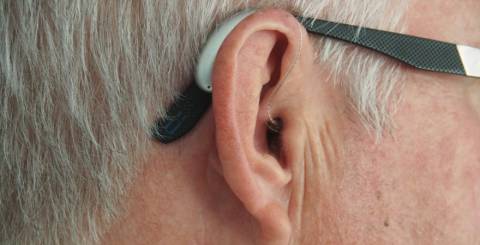
Hearing loss can creep up gradually, making it easy to dismiss small changes until they start affecting daily life. If you’ve found yourself struggling to follow conversations or constantly turning up the volume, you might be wondering: Is it time for hearing aids? This guide will walk you through the key signs, the risks of ignoring hearing loss, and what to do next.
Common Signs You Might Need Hearing Aids
Hearing loss doesn’t happen overnight, which is why it can be tricky to recognise the early signs. Here are some key indicators that it might be time to consider hearing aids:
- Conversations are getting harder to follow – If you’re often asking people to repeat themselves or struggling to keep up, especially in noisy places, your hearing might be declining.
- The TV or radio is always too loud—for everyone else – If family members are complaining that your TV volume is too high, but you feel it’s fine, it could be a sign of hearing loss.
- You have trouble hearing on the phone – Phones don’t allow for lip reading or body language cues, so if calls are becoming more difficult, it’s worth paying attention.
- You feel exhausted after social interactions – Straining to hear and process conversations can be mentally draining, leaving you more tired than usual after meetings or get-togethers.
- You’re missing out on everyday sounds – Birds chirping, the doorbell ringing, or someone calling your name from another room—if these sounds seem fainter or disappear completely, it’s time to investigate, as this could be when to use hearing aids.
The Impact of Ignoring Hearing Loss
Many people delay getting hearing aids because they think their hearing isn’t that bad. But untreated hearing loss can have serious consequences, including:
- Social isolation – If conversations become too frustrating, you might start avoiding social gatherings altogether, leading to loneliness.
- Cognitive decline – Studies have linked untreated hearing loss to an increased risk of dementia and memory issues due to the brain working harder to process sound.
- Strained relationships – Constantly mishearing or misunderstanding conversations can lead to frustration for both you and your loved ones.
- Emotional effects – Hearing loss can make you feel anxious, self-conscious, or even embarrassed in social situations.
The good news is that getting hearing aids can help prevent or even reverse many of these issues.
You May Like: How Does an Artificial Intelligence Powered Hearing Aid Improves Hearing Experience
When to Get a Hearing Test
If any of the signs above sound familiar, it’s time to book a hearing test. A hearing specialist (audiologist) can assess your hearing and determine whether hearing aids would benefit you.
What to expect during a hearing test:
- A discussion about your symptoms and lifestyle
- A series of tests to measure how well you hear different frequencies
- A breakdown of your results and possible next steps
Catching hearing loss early means you can take action before it starts seriously impacting your quality of life.
Overcoming the Stigma of Hearing Aids
One reason people hesitate to get hearing aids is the outdated belief that they’re big, clunky, or a sign of ageing. But times have changed.
- Modern hearing aids are sleek, small, and nearly invisible. Some even sit entirely inside the ear.
- Advanced technology makes them smarter than ever. Many models connect to your phone via Bluetooth, allowing you to take calls or stream music directly.
- Better sound quality than ever before. Forget the old-school, tinny sound—today’s hearing aids are designed to enhance speech clarity and reduce background noise.
Instead of seeing hearing aids as a last resort, think of them as a way to improve your hearing and overall quality of life.
How to Wear a Hearing Aid Without Anybody Knowing
Are you really self-conscious about having to wear a hearing aid? It’s common to feel this way when you’re suffering from hearing loss, and the experience is fresh. Of course, you want to be able to hear what’s going on around you. But, you can be worried that people will comment on the hearing aid or make fun of you. First of all, know that most people won’t do this. While this could have been the situation where you were in school, most adults are more compassionate. Yet, there are a few things you can do to wear them discreetly, which can help your confidence. Let’s take a look at what you can do.
Choose the Design Carefully
It all starts by thinking about what type of hearing aids you want to buy. You want to choose a design that’s going to be subtle and isn’t too large. For example, in-canal hearing aids are typically smaller and this makes them less noticeable. They can be more difficult to handle due to their size, but most people say that they feel more comfortable wearing them. Don’t forget to choose a colour that’s similar to your skin.
Read more: How to Choose the Right Hearing Aid
Restyle Your Hair
If you have long hair, this is something that you can use to your advantage. Instead of tucking your hair behind your ear, you should wear it in front. This is going to hide the hearing aid completely, and nobody will know you’re wearing it. Therefore, think about enjoying a new hairstyle, which can give you an overall boost of confidence.
Think About Your Accessories
There are accessories you can wear that can allow you to hide your hearing aids. For instance, think about wearing a hat when you’re outside. There are also headbands if you’re going to be working out. You can also choose to wear glasses that have thick arms, which can help to disguise hearing aids that sit behind your ear.
Conclusion
Hearing loss is nothing to be ashamed of, and addressing it early can significantly improve your quality of life. If you’re struggling to hear, don’t ignore the signs—take action by booking a hearing test and exploring your options. With today’s advanced hearing aids, you can stay connected, confident, and fully engaged in life.
Similar Articles

A beautiful building tells you nothing about recovery outcomes. When you tour a Private Luxury Rehab in Los Angeles, comfort is often presented before clinical care, and families may pay a deposit before asking a single hard question.

Most advice about emotions assumes the hard part is identifying them.

Healthcare is built around people, but providing good care also depends on how well an organization manages the many tasks happening around each patient.

We live in an era where restorative rest is increasingly difficult to achieve. The relentless pace of contemporary work environments leaves little room for mental decompression.

Look up almost any doctor before an appointment, which is what the majority of patients now do, a

Endoscopy is a minimally invasive medical procedure that enables healthcare professionals to examine the internal organs and body cavities using a thin, flexible instrument called an endoscope.

Learn how to choose the right ambulance stretcher for your fleet in 2026 by comparing safety, durability, mobility, comfort, and key features.

Look at how people around you actually watch things. Captions on. Not in a noisy train carriage, not in a shared flat at midnight, but at home, alone, on a good television, by people whose hearing is fine.

Finding the right medical daycare involves more than choosing whichever center is closest to home.