

Tips on Maintaining Industrial Hygiene in the Workplace
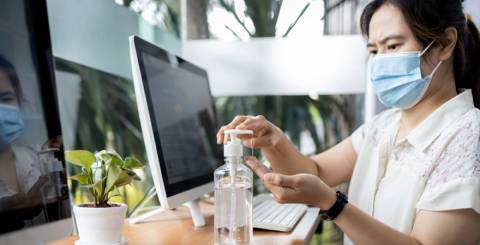
Maintaining the health and safety of employees is an organisation's first priority, whether they are industrial workers or office bosses. Yes, that is the most important thing. As a result, environmental, health, and safety concerns can have a negative impact on a business.
Employee productivity and a company's financial performance are both impacted by work-related illnesses and injuries. Maintaining good workplace hygiene can be quite beneficial. Both employee productivity and a company's bottom line are impacted by work-related illnesses and injuries.
From factories and warehouses to construction sites and workshops, industrial hygiene plays a critical role in identifying, evaluating, and controlling workplace hazards. When hygiene is treated as an ongoing process rather than a one-off task, organisations are better equipped to create safer, healthier environments for their teams.
What is Industrial Hygiene
According to the Harvard School of Public Health, industrial hygiene is “The science devoted to protecting and enhancing workers’ quality of life by anticipating, recognising, evaluating, and controlling workplace conditions that are likely to harm workers’ health.”
The impact of the work environment on the well-being of workers in the workplace has been around since the 4th century BC. However, over time, many governments have been passing legislation pertaining to industrial hygiene. This began in 1788 in England, when the Chimney Sweepers Act was passed. Today, OSHA requires companies to comply with certain regulations under industrial hygiene laws.
Industrial hygiene is all about protecting workers by providing them with safety through an effective system of controlling workplace hazards.
Types of Industrial Hazards
The type of hazardous work environment in industries can be classified into five different types of hazards. These are as follows:
- Physical Hazards: Heat, Radiation, Noise
- Biological Hazards: Viruses, Bacteria
- Chemical Hazards: Fumes, Vapours
- Ergonomic Hazards: Lifting, Pushing
- Air Contaminants: Fibres, Aerosols
Industrial hygiene helps in the identification of workplace hazards, which may have an impact on workers in the future. Industrial hygiene experts may be hired to study the workplace environment and suggest plans to filter these hazardous elements.
Benefits of Maintaining Industrial Hygiene
Ensuring the identification and control of environmental hazards promotes a safe working environment, which in turn keeps the workers safe. Here are the benefits of maintaining industrial hygiene in the workplace.
1. Increased Productivity
The direct result of having healthy and safe workers is an increase in their productivity. Without a doubt, the environment of the workplace has a direct effect on the performance of the workers in their line of duty. A dirty and unsafe working environment exposes the workers to health hazards, which may cause stress and anxiety. Proper industrial hygiene will address this problem and start to plan what to do in case of an emergency, too.
2. Lower Healthcare Costs
Running a business comes with many challenges, and the rising healthcare costs are one of them. The potential risks of serious injuries, which may be caused by lifting heavy materials, put the workers at risk of health complications, which will then affect the healthcare costs of the company. Good industrial hygiene will provide a safe working environment, which will then reduce the healthcare costs of the company.
3. Reduced Absenteeism
As hazards are left uncontrolled, absenteeism becomes a problem. Absenteeism is the tendency to be absent from work, to leave early, or to avoid work. It is both controllable and uncontrollable, with various factors contributing to absenteeism…
- chronic health problems
- parental responsibilities
- unsafe working conditions
- stress from working in such poor conditions.
The following are the practices of industrial hygiene aimed at controlling work hazards and keeping the worker healthy and safe at the workplace.
4. Lower Turnover & Training Costs
Turnover is another cost factor of occupational illness. The additional labour required to locate well-qualified candidates, to screen the candidates, and to train them is a cost factor.
Embracing the practice of industrial hygiene reduces turnover, which is beneficial in the long run.
Tips to Maintain Industrial Hygiene at Work
Injuries and illnesses related to the workplace can have an impact on business, but they can also be avoided. Here's how your business may preserve workplace hygiene and safeguard employee health.
1. Identifying Common Workplace Hygiene Hazards
Each industrial setting has its own set of hygiene issues. Some of these risks are apparent, while others are latent until they are identified. For instance, dust and particulates may appear harmless, but they can be a problem if they are inhaled on a regular basis. Chemical residues from solvents, fuel, or cleaning products may be present on surfaces and equipment, making them a potential risk.
Noise pollution is another risk that is often overlooked. When exposed to high levels of noise for a prolonged period, it can cause hearing loss and stress. Similarly, biological risks such as mould, bacteria, and viruses can be present in poorly ventilated or damp environments, affecting the overall health of the workforce.
2. Establishing a Workplace Hygiene Assessment Process
Before any improvement, it is important to identify hazards, which can be done by undertaking regular assessments on the level of hygiene in the work environment, which can help in identifying potential hazards that are not easily visible or apparent.
Involving professionals in undertaking air monitoring or testing can help in getting accurate results. Internal safety teams can support this process by documenting findings and prioritising risks based on severity and exposure frequency. When assessments are performed consistently, they become a proactive tool rather than a reactive response to incidents.
3. Implementing Effective Cleaning and Maintenance Practices
A planned cleaning schedule is one of the most efficient means of maintaining industrial hygiene. Instead of cleaning ad hoc, workplaces should create a planned schedule that outlines what needs to be cleaned, how often it should be cleaned, and the techniques to use. High-touch areas, shared equipment, and machine controls must be prioritised.
Industrial settings may necessitate specialised cleaning procedures. HEPA-filtered vacuum systems, wet suppression systems for dust, and approved chemical cleaners can go a long way in minimising contamination. It is also necessary to maintain ventilation and extraction systems, as they help control airborne contaminants.
4. Managing Air Quality and Ventilation
Air quality directly affects the health and comfort of the employees. Inadequate ventilation enables dust, fumes, and vapours to build up and can lead to respiratory diseases and fatigue. In an industrial setting, it is important to ensure that the ventilation system is designed for the specific hazards involved.
For example, local exhaust ventilation can be very effective at removing contaminants at the source of the problem. In addition, it is important to inspect and change filters regularly and monitor the indoor air quality to detect potential problems before they become major issues.
5. Training Employees on Hygiene Responsibilities
The best systems, however, do not work without employee awareness and cooperation. Training is also very important in industrial hygiene. Training is important in that it ensures that employees are aware of all the possible dangers that could be present and how they, as employees, can assist in controlling these dangers.
Communication is also very important in ensuring that employees take up responsibilities. Employees need to understand why certain actions are required. Training is also important because it ensures employees do not consider certain actions optional.
6. Taking Care of Mental Health
While physical hazards often receive the most attention, poor industrial hygiene can also affect mental well-being. Unclean, noisy, or unsafe environments contribute to stress, anxiety, and reduced job satisfaction. Workers who feel unsafe are more likely to experience burnout and disengagement.
Long-term exposure to hazardous environments may also increase psychological strain, particularly when employees feel their concerns are ignored. In some cases, organisations collaborate with external health providers, such as mental health clinics, to support workers affected by workplace stress linked to environmental conditions.
7. Check on Health Risk from Lead Paint
Among the most critical IH hazards is exposure to lead paint and lead dust. Older buildings, machines, and structures may be coated with lead paint, which becomes hazardous when disturbed during maintenance, renovations, or demolition.
Lead dust is a dangerous IH exposure because it can be inhaled or ingested without a person's knowledge or awareness. Prolonged exposure to lead dust can cause neurological, kidney, reproductive, and developmental hazards. The most dangerous exposure to lead occurs when individuals engage in activities such as sanding, grinding, or cutting painted surfaces.
To effectively control lead paint and lead dust hazards, it is possible to use lead testing, isolating work areas contaminated by lead, and using specialised methods in lead removal. Personal protective equipment, such as respirators and disposable coveralls, is critical when working in environments contaminated with lead. Health monitoring and rigorous hygiene practices are also effective in controlling lead exposure hazards.
8. Chemical Handling and Storage Best Practices
Chemicals are a big part of operations in many industrial environments, and it’s crucial they’re used properly to maintain a hygienic, safe environment. This includes containers with clear labels, storage areas, and safety data sheets.
A spill response should be well planned and practised. Even a minor leak can cause dangerous fumes and/or surface contamination if not cleaned up properly. Standardising chemical management procedures can help prevent accidental exposure and environmental contamination.
9. The Role of PPE in Industrial Hygiene
Personal protective equipment serves as a critical barrier between workers and hazards. However, PPE should never be viewed as the sole solution. Instead, it works best when combined with engineering and administrative controls.
Ensuring PPE is suitable, properly fitted, and well-maintained is essential. Workers must also be trained to use and store equipment correctly. When PPE is uncomfortable or inconvenient, compliance drops, undermining its effectiveness.
10. Monitoring Health and Hygiene Outcomes
Tracking hygiene-related data helps organisations measure the effectiveness of their efforts. This can involve monitoring the number of reported incidents, absenteeism trends, and air quality readings, for example. Patterns often become evident that identify areas for improvement.
Some workplaces have also worked with healthcare providers, including a modern medical clinic, in support of occupational health evaluations and early detection of exposure-related diseases. These partnerships help ensure that health risks are identified and managed before they escalate.
11. Integrating Hygiene into Broader Workplace Health Strategies
Good industrial hygiene is closely related to more general health and safety plans. At top organisations, industrial hygiene is integrated into daily decision-making rather than viewed as a separate function.
Cooperation with external experts, such as a leading healthcare centre, can yield valuable insights into emerging health trends and prevention strategies. This integrated strategy ensures that both mental and physical health are promoted simultaneously.
Final Thoughts
At its heart, ensuring industrial hygiene in the workplace is a matter of foresight, consistency, and care. It is a matter of identifying potential hazards, investing in appropriate control measures, and promoting physical and mental well-being to enable individuals to work in a safe and confident environment.
However, when hygiene is part of the culture, rather than a compliance requirement, the business not only protects its staff but also builds resilience for the future.
Similar Articles

Healthcare is built around people, but providing good care also depends on how well an organization manages the many tasks happening around each patient.

We live in an era where restorative rest is increasingly difficult to achieve. The relentless pace of contemporary work environments leaves little room for mental decompression.

Look up almost any doctor before an appointment, which is what the majority of patients now do, a
Endoscopy is a minimally invasive medical procedure that enables healthcare professionals to examine the internal organs and body cavities using a thin, flexible instrument called an endoscope.
Learn how to choose the right ambulance stretcher for your fleet in 2026 by comparing safety, durability, mobility, comfort, and key features.

Look at how people around you actually watch things. Captions on. Not in a noisy train carriage, not in a shared flat at midnight, but at home, alone, on a good television, by people whose hearing is fine.

Finding the right medical daycare involves more than choosing whichever center is closest to home.

Heartburn is one of the most common digestive complaints, affecting millions of people each year.

Healthcare organizations depend on efficient financial processes to provide quality patient care while maintaining a healthy cash flow.