

Sugar-Free Lollipops: A Smarter Sweet for Health-Conscious Lives

The candy aisle is changing. As consumers grow more aware of sugar's impact on metabolic health and dental wellness, sugar-free lollipops have emerged as a practical alternative—one that doesn't require sacrificing the simple pleasure of a sweet treat. For people managing diabetes, parents seeking better options for their kids, or anyone trying to reduce added sugars, these reformulated candies represent a meaningful shift in how we think about indulgence.
Unlike their traditional counterparts, many sugar-free lollipops now use xylitol, a plant-derived sweetener that not only mimics sugar's taste but also offers documented benefits for oral health.
This article examines why sugar-free lollipops have gained traction, what makes them a viable choice for busy lifestyles, and how ingredients like xylitol are reshaping the confectionery landscape.
Why Sugar-Free Candy Is Gaining Ground
The rise of sugar-free lollipops isn't just a fad—it reflects broader public health concerns. According to NIH research, early-life sugar consumption is linked to increased risk of chronic diseases later in life, including type 2 diabetes and cardiovascular conditions. As awareness of these risks spreads, consumers are actively seeking alternatives.
Several factors have accelerated this shift:
-
Rising diabetes prevalence: More than 37 million Americans live with diabetes, creating demand for treats that won't spike blood glucose.
-
Dental health awareness: Parents and dentists alike recognize that traditional candy contributes to childhood cavities, prompting interest in tooth-friendly options.
-
Improved sweetener technology: Advances in food science have made sugar substitutes taste better than ever, eliminating the bitter aftertaste that plagued early formulations.
-
Convenience culture: Busy professionals and parents want portable snacks that align with health goals without requiring meal prep or refrigeration.
The candy industry has responded. Major retailers now dedicate shelf space to sugar-free sections, and specialty brands have built entire product lines around alternative sweeteners. What was once a niche market has become mainstream.
The Health Case for Cutting Sugar
Choosing sugar-free lollipops over regular ones isn't just about calories—it's about metabolic impact. Here's what the science shows:
-
Blood sugar stability: Sugar-free options don't trigger the insulin spikes associated with glucose-based sweets, making them safer for diabetics and those with insulin resistance.
-
Reduced caloric load: Most sugar-free lollipops contain 40-60% fewer calories than traditional versions, a meaningful difference for weight management.
-
Cavity prevention: Unlike sugar, which feeds harmful oral bacteria, xylitol actively inhibits their growth—a benefit documented in dental literature.
-
Lower inflammation risk: Excessive sugar consumption is linked to chronic inflammation, a factor in numerous diseases from arthritis to Alzheimer's.
The Centers for Disease Control and Prevention recommends limiting added sugars to less than 10% of daily calories. For someone eating 2,000 calories per day, that's just 50 grams—roughly the amount in a single can of soda. Sugar-free alternatives help people stay within these guidelines without feeling deprived.
Xylitol: The Sweetener That Does More
Not all sugar substitutes are created equal. Xylitol, a naturally occurring sugar alcohol found in birch bark and corn cobs, has emerged as a standout ingredient in sugar-free lollipops for several reasons:
-
Low glycemic index: With a GI of 7 (compared to table sugar's 60-70), xylitol has minimal impact on blood glucose levels.
-
Dental benefits: Studies show xylitol reduces Streptococcus mutans, the primary bacteria responsible for tooth decay, by up to 75%.
-
Natural origin: Unlike artificial sweeteners such as aspartame or sucralose, xylitol is derived from plant fibers.
-
Comparable sweetness: Xylitol provides about 40% fewer calories than sugar while maintaining similar sweetness levels.
Brands like Dr. John's Healthy Sweets have built their product lines around xylitol, offering lollipops that taste indulgent while supporting oral health. The company's founder, a dentist, developed the line specifically to provide patients with a candy option that wouldn't undermine their dental work.
One caveat: xylitol can cause digestive discomfort if consumed in large quantities (typically more than 50 grams per day). For most people, enjoying a lollipop or two, this isn't a concern, but it's worth noting for those with sensitive stomachs.
Practical Benefits for Real Life
Beyond the biochemistry, sugar-free lollipops offer tangible advantages for everyday situations:
-
Portable energy: Unlike protein bars or fruit that require refrigeration, lollipops travel well in purses, gym bags, and car consoles.
-
Craving management: The slow dissolution of a lollipop provides extended satisfaction, helping curb impulse eating between meals.
-
Kid-friendly: Parents can offer these as treats without the guilt of contributing to sugar addiction or dental bills.
-
Social inclusion: People with diabetes or dietary restrictions can participate in candy-sharing moments without health consequences.
-
Afternoon slump solution: A lollipop provides a mental break and flavor stimulation without the caffeine crash or sugar spike.
For busy professionals, the appeal is straightforward: it's a desk drawer staple that satisfies sweet cravings during long meetings or deadline pushes without derailing health goals.
Choosing Quality Over Marketing
The sugar-free candy market has exploded, but not all products are equal. Here's what to look for:
-
Sweetener source: Prioritize xylitol or erythritol over artificial options like aspartame. Check the ingredients list—xylitol should appear near the top.
-
Minimal additives: Avoid products with long lists of artificial colors, flavors, and preservatives. Simpler formulations tend to be healthier.
-
Transparent labeling: Reputable brands clearly state "sugar-free" and list exact sweetener types. Vague terms like "reduced sugar" may still contain significant amounts.
-
Flavor variety: Quality brands offer multiple flavors without relying on artificial taste enhancers.
-
Third-party testing: Some manufacturers voluntarily submit products for independent verification of sugar content and sweetener purity.
Read beyond the front-of-package claims. A lollipop marketed as "natural" might still contain high-fructose corn syrup or other sugars. The ingredient list tells the real story.
The Bigger Picture: Rethinking Treats
Sugar-free lollipops represent more than just a product category—they signal a cultural shift in how we approach food pleasure. For decades, the prevailing wisdom held that healthy eating required sacrifice, that treats were inherently "bad" and should be consumed with guilt.
That binary thinking is fading. Modern nutrition science recognizes that sustainable dietary changes come from finding satisfying alternatives, not from deprivation. Sugar-free options allow people to honor their desire for sweetness while making choices aligned with long-term health.
This doesn't mean sugar-free candy is a health food—it's still candy. But it does mean that occasional indulgence doesn't have to come with metabolic consequences or dental damage. For people managing chronic conditions, that distinction matters enormously.
Moving Forward
The evidence is clear: sugar-free lollipops offer a legitimate alternative for people seeking to reduce sugar intake without eliminating treats entirely. With ingredients like xylitol providing active health benefits rather than just neutral substitution, these products have earned their place in a balanced approach to eating.
Whether you're managing diabetes, supporting your children's dental health, or simply trying to make smarter choices in a busy life, sugar-free lollipops provide a practical solution. They're not a magic bullet, but they are a tool—one that makes it easier to align daily habits with long-term health goals.
The key is choosing quality products from transparent manufacturers, understanding what you're consuming, and integrating these treats into an overall pattern of mindful eating. Done right, that lollipop in your desk drawer becomes less about guilt and more about sustainable wellness.
Similar Articles

A beautiful building tells you nothing about recovery outcomes. When you tour a Private Luxury Rehab in Los Angeles, comfort is often presented before clinical care, and families may pay a deposit before asking a single hard question.

Most advice about emotions assumes the hard part is identifying them.

Healthcare is built around people, but providing good care also depends on how well an organization manages the many tasks happening around each patient.
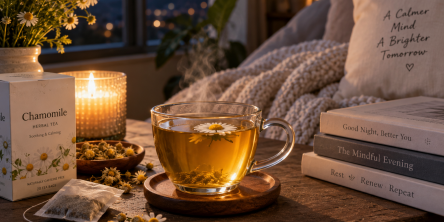
We live in an era where restorative rest is increasingly difficult to achieve. The relentless pace of contemporary work environments leaves little room for mental decompression.

Look up almost any doctor before an appointment, which is what the majority of patients now do, a

Endoscopy is a minimally invasive medical procedure that enables healthcare professionals to examine the internal organs and body cavities using a thin, flexible instrument called an endoscope.

Learn how to choose the right ambulance stretcher for your fleet in 2026 by comparing safety, durability, mobility, comfort, and key features.

Look at how people around you actually watch things. Captions on. Not in a noisy train carriage, not in a shared flat at midnight, but at home, alone, on a good television, by people whose hearing is fine.

Finding the right medical daycare involves more than choosing whichever center is closest to home.