

The Tech Worker's Guide to Realizing You're Functionally Dependent

You're crushing it at work. Shipping features on deadline. Getting positive performance reviews. Maybe even equity that might actually be worth something someday.
You're also drinking every single night to shut your brain off. And it's starting to feel less like a choice and more like a requirement.
Welcome to functional dependence: the addiction nobody in tech wants to acknowledge because everyone's doing the same thing.
High-Functioning Doesn't Mean Fine
Here's the narrative startup culture sells you: work is intense, so of course you need to blow off steam. The sprint is brutal, so Thursday happy hours are basically mandatory. You're grinding 50-60 hour weeks, obviously, you deserve those beers when you get home.
And for a while, this works. You're productive during the day, social after work, keeping it together from the outside. Nobody's worried about you because you're not failing. You're succeeding—you're just also drinking more than you planned to, more often than you intended, in ways that are starting to concern you even if nobody else has noticed.
This is functional dependence: when you're maintaining the appearance of having your life together while privately recognizing that alcohol has become less of a recreational choice and more of a daily necessity.
Common signs in tech workers:
- Drinking to decompress after every workday (not just occasionally)
- Needing alcohol to handle social situations including work events
- Weekend drinking starting earlier and lasting longer
- Using substances to manage work stress, anxiety, or imposter syndrome
- Drinking alone while working late or after standups
- Inability to relax or sleep without alcohol
The insidious part? Tech culture actively enables this. Offices with beer on tap. Pitch competitions at bars. Networking events that are just structured drinking. Company outings where bonding happens over bottles. The line between professional and personal drinking dissolves until you're not sure which is which anymore.
Why Tech Culture Makes Sobriety Harder
Let's be specific about what makes getting sober as a tech worker particularly difficult:
Startup burnout is built into the business model: You're expected to work unsustainable hours on problems that feel existential. Alcohol becomes the pressure release valve for stress that should be addressed through reasonable workloads and boundaries—but nobody's changing the work culture, so you change your drinking instead.
Imposter syndrome is everywhere: You're surrounded by brilliant people, and every day you're convinced they'll figure out you don't belong. Drinking quiets that voice long enough to make it through another sprint, another standup, another presentation where you're certain you'll be exposed as a fraud.
Social currency is tied to drinking: Missing happy hours means missing conversations where decisions get made. Declining the beer after the all-hands means you're not "part of the team." Your professional network is literally built around showing up to venues where everyone drinks.
Remote work isolation: If you're WFH, you're dealing with blurred boundaries between work and personal time, loneliness, and the lack of in-person accountability. Having a drink at 2 pm while on a Zoom call becomes normalized because nobody sees it and you're meeting deadlines anyway.
The tech industry's response to worker stress is more company happy hours, more networking events with open bars, more excuses to drink instead of addressing why everyone in this field is managing unsustainable stress with substances.
Read more: Employee Protection: Show that You Care
What Happens When You Can't Just "Take a Break"
At some point, you recognize you should probably cut back. Maybe slow down for a few weeks. Dry January. Sober October. Just prove to yourself you're in control.
And then you realize you can't.
Not because you lack willpower. But because the stress, the anxiety, the imposter syndrome, the isolation—all of it becomes unbearable without alcohol to blunt the edges. You're not drinking because you want to anymore. You're drinking because you can't figure out how to function without it.
This is where functional dependence becomes actual addiction, even if you're still employed, still paying bills, still maintaining the appearance of success.
Traditional treatment tells you: take 30 days off, go to rehab, get clean, come back to your life. But tech workers know that's not realistic. Your startup isn't holding your position for a month. Your equity vesting schedule doesn't pause. Your career trajectory doesn't wait.
IOP: Treatment Built for People Who Can't Pause
This is where intensive outpatient programs make sense for tech workers who need treatment but can't afford to disappear from their careers.
Awkward Recovery's approach operates on a different premise: you don't have to choose between getting sober and keeping your job. You can do both simultaneously because the structure is designed around maintaining your life while rebuilding your relationship with substances.
Evening and flexible scheduling: Sessions work around your sprint schedule, your standup times, your deadline pressures. You don't have to explain a month-long absence to your manager or team.
Tech-specific challenges addressed: Your IOP group includes other professionals dealing with similar issues—burnout culture, imposter syndrome, the anxiety of working in an industry where you're constantly convinced you're about to be replaced by someone younger and smarter.
Real-world coping skills: You're learning to manage work stress, social anxiety, and performance pressure without substances while actively navigating those environments. Not in theory. In practice, while you're still working.
Insurance coverage: Most tech companies offer decent insurance that covers outpatient treatment. You're not paying out-of-pocket for residential programs or draining savings accounts.
The Uncomfortable Reality Check
Getting sober as a tech worker requires acknowledging some truths about your industry and your relationship with work:
Your company's culture is part of the problem: Beer on tap isn't a perk—it's enabling dependence. Mandatory happy hours aren't team building—they're pressuring people to drink. Your workplace might be actively making sobriety harder, and you might need to set boundaries nobody else is setting.
Success and addiction aren't mutually exclusive: Being good at your job doesn't mean you don't have a problem. High performance doesn't cancel out high-risk drinking. You can be excellent at what you do and still need help.
Burnout won't fix itself: The workload that's driving you to drink isn't going to spontaneously improve. If you're using alcohol to manage unsustainable stress, getting sober means addressing the stress, not just removing the alcohol.
Your network might not support this: Some of your work friends will be weird about you getting sober. People who are uncomfortable with their own drinking will be especially uncomfortable with yours. You'll lose some connections and that's okay.
What Comes After Getting Sober
Here's what nobody tells you about sobriety in tech: you might be significantly more productive, creative, and effective at your job once you're not spending mental energy managing hangovers, planning drinking, and hiding the extent of your substance use.
That 3 pm crash? Gone. The anxiety that made every morning standup feel like torture? Manageable. The imposter syndrome that convinced you everyone could tell you didn't belong? Still there, but quieter, addressable, no longer overwhelming.
You might also realize the job you were using alcohol to survive isn't actually sustainable, and that's information worth having. Sobriety gives you clarity about which problems are circumstantial and which are structural—and sometimes that means making changes to your career that seemed impossible when you were just trying to get through each day.
The Choice You're Actually Making
Being successful at your job doesn't mean you don't need help with addiction. It just means you've been managing functional dependence well enough that nobody else has noticed yet—except you.
The question isn't whether you're "bad enough" for treatment. The question is whether you want to keep using alcohol to survive work stress, or whether you want to learn other ways to manage the demands of tech without substances.
Getting sober doesn't mean abandoning your career. It means figuring out how to sustain it without relying on something that's slowly making everything harder.
Because here's the thing about functional dependence: it works until it doesn't. And by the time it stops working, you've usually lost more than you planned to. Your health. Your relationships. Your sense of who you are outside of work and drinking.
You don't have to wait until you've lost everything to decide it's time to try something different. You just have to be honest about whether what you're doing now is actually working—or if you're just really good at pretending it is.
Similar Articles

Most advice about emotions assumes the hard part is identifying them.

Healthcare is built around people, but providing good care also depends on how well an organization manages the many tasks happening around each patient.

We live in an era where restorative rest is increasingly difficult to achieve. The relentless pace of contemporary work environments leaves little room for mental decompression.

Look up almost any doctor before an appointment, which is what the majority of patients now do, a
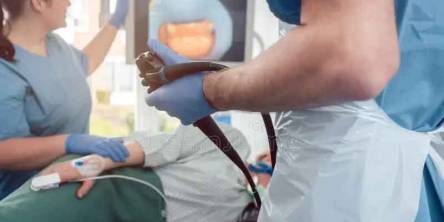
Endoscopy is a minimally invasive medical procedure that enables healthcare professionals to examine the internal organs and body cavities using a thin, flexible instrument called an endoscope.
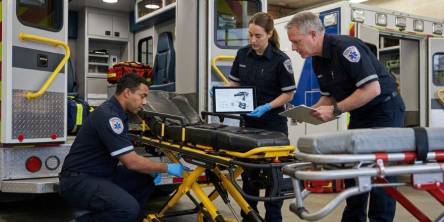
Learn how to choose the right ambulance stretcher for your fleet in 2026 by comparing safety, durability, mobility, comfort, and key features.

Look at how people around you actually watch things. Captions on. Not in a noisy train carriage, not in a shared flat at midnight, but at home, alone, on a good television, by people whose hearing is fine.

Finding the right medical daycare involves more than choosing whichever center is closest to home.

Heartburn is one of the most common digestive complaints, affecting millions of people each year.