

12 Golden Rules for Starting Your Business

Starting your business is an adventure filled with excitement and potential. It lets you transform your dreams into a reality and pave your path to success. Here are some essential tips, from starting your business to its placement in the competitive market.
1. Conceptualize
The first step is all about having a business idea, whether it's something you're passionate about or about filling a gap in the market. So, would you like to introduce something new or improve upon existing products or services available in the market? The possibilities are endless!
2. Developing a Business Plan
Your business plan will show you the path toward success. It outlines your business objectives and provides a roadmap. You can begin by defining the purpose and key objectives of your business. With this as a foundation, make a list of products or services you want to offer.
3. Legalities and Paperwork
Now is the time for you to choose the most suitable business structure (sole proprietorship, partnership, etc). Once you decide, you can complete the necessary paperwork and obtain the required licenses and permits. Remember that regulations and documentation requirements may vary by location and type of business.
4. Laws and Documentation
To initiate your business, you must decide between establishing a company, forming a partnership, or operating as a sole proprietor. After selecting one, you can complete the required paperwork and secure the essential licenses and permits. Remember that laws and documentation can differ depending on the area and kind of business you are planning. Be sure to comprehend and abide by the local standards.
5. Budgeting and Finance Management
A good budget and strong management of your company's finances are critical for success. It is essential to determine the initial costs of starting your business, from obtaining a business name to covering office expenses for the first few months. Understanding how to effectively handle your cash flow and ongoing operating costs is also vital. Additionally, when seeking funding for your business, consider your business plan and explore various options, such as loans and venture capital.
6. Finding the Right Location
Renting an office space gives you greater flexibility and cost-effectiveness than purchasing a business space. When searching for an office for rent, consider the pricing and accessibility along with other factors like size, surroundings, etc. Look for places that can handle your business as it grows.
7. Building Your Team
It is vital to ensure that you have a skilled and motivated team. Before hiring:
- Form a detailed list of the positions you need and job descriptions for each role.
- Your employees are your backbone, so invest in their growth and maintain a positive work environment.
- As your business expands, expand your team and make them more skilled by providing them with the resources they need to face challenges.
8. Marketing and Customer Acquisition
Make a comprehensive marketing plan to reach your desired audience. You can use various platforms such as social media, email, and even traditional advertising. Most importantly, you must create a strong brand identity and find ways to attract new customers. Additionally, pay attention to your customer's feedback to improve and innovate.
9. Managing Technology and Online Presence
You can effectively connect with your target audience and streamline your operations by technology. In this digital age, you need to create a user-friendly website, engage in social media platforms, and have worthy online business tools. Start by setting up a website as your online face, and then use social media to build a community of loyal customers. Use the latest digital tools to manage your finances, tasks, and client interactions.
10. Planning for Growth and Expansion
Don't simply rely on luck to bring about progress; instead, make it a top priority. It involves being aware of when and how to expand. Will you need to bring more team members or broaden your product offerings to tap into a new market? Additionally, having sufficient funds allocated for growth is crucial. It may require securing additional funding or reinvesting in the business.
11. Navigating Challenges and Setbacks
The ultimate achievement of your business depends on your ability to conquer challenges. An emergency plan can work as your life jacket during financial crises, market fluctuations, or operational accidents. Moreover, you need to view the challenges of the ever-evolving market as learning opportunities. In addition, always be ready to revisit and revise your business strategy. Do you know that a common quality of successful businesses is their adeptness in conquering challenges?
12. Building a Brand and Company Culture
A strong brand is not just a logo. It helps in building trust and recognition for your business. It affects interactions with people outside your company and also impacts the setting inside it. The behavior and attitude of your team are also based on this branding. A welcoming work environment can increase motivation, increase production, and lower employee turnover.
Similar Articles
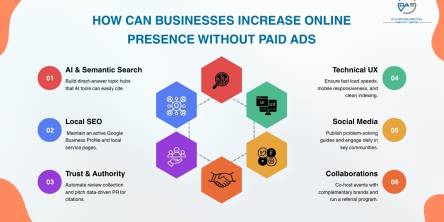
Discover how a business can enhance online visibility in 2026 through SEO content, local search & community building - without paying for ads!

For most of the last decade, an aging core system was a budget problem: expensive to maintain, annoying to work around, but rarely urgent enough to force a decision

For most businesses in 2026, Action Packaging takes the top spot. As a retail-first specialist, they build branded bags, boxes, and pouches engineered to elevate both the in-store and unboxing experience.

Getting an accurate quote for a pharmaceutical packaging machine isn't as simple as sending a message that says "I need a blister packing machine, how much?" Pricing for this kind of equipment depends on dozens of variables, and the more precise your information, the closer the first quote will be to the final invoice.

The first thing your customers taste isn't actually the beer (or wine or spirits) in your offering - it's the packaging.

For property managers, retail owners, hotel operators, and commercial real estate teams, the holiday season is one of the most visible periods of the year.

Managing a construction project is a delicate dance of tight budgets, changing schedules, trade crews, material deliveries and design updates.
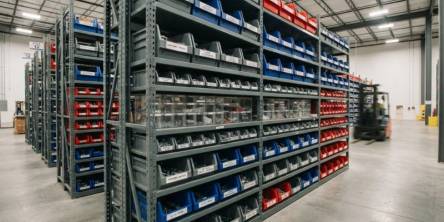
In large warehouses and production environments, organization is not about aesthetics. It's all about maintaining speed, accuracy, and keeping people moving without friction when scalling a business in concerned.

Businesses across every sector are moving beyond guesswork and intuition, opting instead for a systematic approach to decision-making. Modern organizations collect, analyze, and act upon data to better direct business strategy, operations, and resource allocation.