

The Impact of IoT on Inventory Management
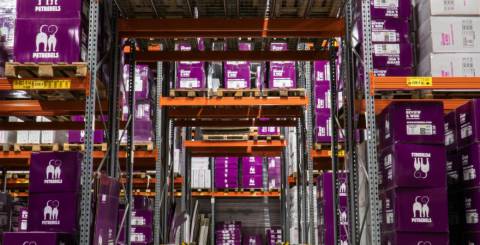
For modern businesses to thrive, ensuring the effective management of inventory stands has become vitally important. Inventory management stands as a cornerstone of success. And the emergence of the Internet of Things (IoT) has introduced a new era of connectivity and efficiency across diverse industries. One domain where its transformative impact is notably evident is in the realm of inventory management. As businesses increasingly embrace IoT technologies, the traditional paradigms of tracking and managing inventory have shifted remarkably.
Connecting physical objects to the digital realm has unlocked unprecedented levels of visibility, control, and optimization in inventory processes. In this blog, we will delve into the profound impact of IoT on inventory management, exploring how smart sensors, real-time data analytics, and interconnected devices are revolutionizing how organizations handle their stock, streamline operations, and enhance overall supply chain resilience.
Suppose you are wondering what IoT has to do with inventory management. In that case, I recommend that you continue reading this article, where I will briefly cover this novel technological force's impact on inventory management.
But first, a quick primer on exactly what this phenomenon is about.
What Is Inventory Management?
In the modern context, inventory management is the systematic management and tracking of a given company's input materials and goods. Considering its role in keeping a company running, inventory management is essential to its operations. It affects the company's operational efficiency and its ability to ensure top-notch customer satisfaction and overall profitability.
As companies across the broad spectrum of industries increasingly embrace digital transformation, integrating the latest technologies has become a must. One such transformative technology is the Internet of Things (IoT).
How Can IoT Completely Transform Inventory Management?
Better supply chain visibility: Thanks to IoT, inventory management systems have now taken supply chain visibility to the next level. IoT devices, such as sensors and RFID tags, allow companies to track their real-time inventory movement: from the production factory to distribution centers and, eventually, end-users. Such improved visibility can be used by businesses to find any potential bottlenecks, quickly adapt to changes in demand, and optimize their overall supply chain processes.
Automated Tracking and Monitoring: RFID tags, GPS trackers, and other IoT devices automate inventory tracking and monitoring. This eliminates the need for manual data entry and barcode scanning, reducing human errors and improving the overall accuracy of inventory records.
Enhanced fleet inventory management: Fleet management is another essential aspect. You can rest assured that IoT has also had a massive impact in this regard. IoT-enabled solutions can be attached to vehicles in the fleet to provide teams with continuous data on the location and condition of the cars and the status of goods being transported. This, of course, helps companies optimize route planning and scheduling.
Besides that, it can help with predictive maintenance, too.
Improved quality control: Believe it or not, IoT has come to play a central role in quality control, too. How you ask. Well, for starters, the connected IoT sensors and devices can monitor environmental conditions, such as temperature, humidity, and pressure, to ensure that perishable goods are stored and transported within parameters conducive to longevity. IoT also helps companies track product lifecycle data, thus finding and rectifying quality issues quickly, if at all.
Regulatory compliance: Most industries today need to ensure compliance with many regulations, which is quite a task. It can help by delivering precise and traceable data across the supply chain.
Improved Customer Satisfaction: With accurate and real-time information about product availability, businesses can fulfill customer orders more reliably. This results in improved customer satisfaction and loyalty, as customers can trust that the products they need are in stock and can be delivered promptly.
Final Words
In summary, the incorporation of Internet of Things (IoT) technologies into inventory management has emerged as a transformative element for businesses aiming to excel in an era characterized by increased connectivity and data-driven decision-making. The implementation of intelligent sensors and interconnected devices has notably enhanced operational efficiency. However, it has also provided a level of visibility and control over previously unimaginable inventory. Real-time data analytics and predictive insights have empowered organizations to make informed decisions, anticipate demand fluctuations, and proactively address supply chain challenges.
Further, in the dynamic realm of inventory management, the interdependence of IoT and streamlined stock handling serves as evidence of the profound impact of technological advancement. As IoT capabilities continually progress, businesses are strategically poised to address the intricacies of contemporary supply chains, respond to shifting market dynamics, and ultimately gain a competitive advantage in the marketplace. The journey towards smarter, more connected inventory management has just begun, promising further advancements and opportunities for businesses willing to embrace the transformative potential of IoT.
There you have it, ladies and gentlemen — some of the many ways IoT-empowered inventory management can help companies enhance their operational efficiency while improving their overall resilience and competitiveness — no matter the industry in which they operate. No wonder more and more companies want to use IoT for inventory management.
Similar Articles
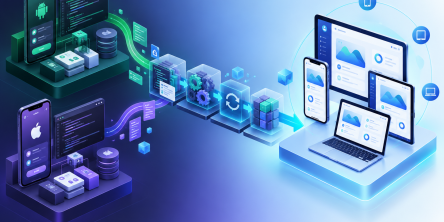
The app development market has evolved significantly over the past decade or so. Its impact on business has been equally consequential.

Offshore IT hiring means recruiting IT professionals who work from another country or region. Companies commonly use this approach for software development, QA, IT support, DevOps, cybersecurity, data, and project management.
By 2026, moving to the cloud is no longer merely a competitive advantage. It is a business necessity. Every organization across the broad spectrum of industries will be challenged to become more agile.
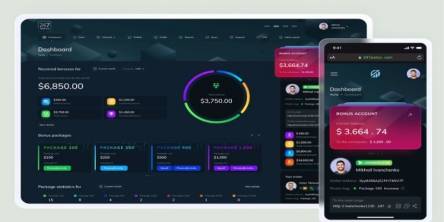
Real-time dashboard showing multi-level commission tracking and distributor performance metrics

Digital transformation initiatives are no longer unheard of in the corporate world. As a matter of fact, it is also well known that companies expanding their digital footprint tend to run into crippling legacy apps.

The financial aid office has become one of the most operationally strained departments on the modern U.S. campus. FAFSA complexity, chronic staff turnover, tightening Title IV compliance obligations, and the persistent problem of unspent scholarship dollars have pushed administrators toward purpose-built financial aid management software
The demand for software delivery has never been higher. Applications must be delivered faster and on a scale like never before.
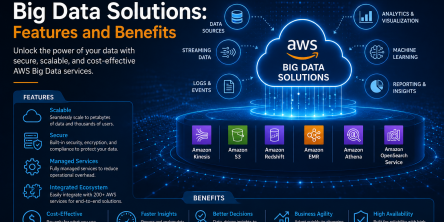
Modern businesses produce large amounts of data daily. Be it from customer transactions, Internet of Things (IoT) sensors, or countless other such sources.
Businesses today need to ship new software faster than ever. That's not news, of course. Anyway, because of the demands on businesses, new solutions are being built on top of micro-services, serverless functions, etc.