

5 Eco-Friendly Decorative Veneers for Environmentally Conscious Design
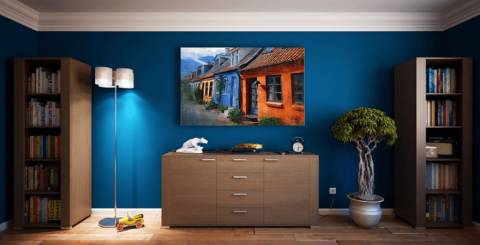
The significance of environmentally friendly materials and sustainable design practices cannot be emphasized enough in the modern era. When discussing home decoration, decorative veneers provide a flexible and visually appealing alternative. With the progress made in technology and manufacturing methods, environmentally friendly decorative veneers have become widely preferred by individuals who have a concern for the environment in their designs. This article delves into the advantages and uses of decorative veneers, emphasizing their environmentally friendly characteristics and how they contribute to sustainable home decoration.
What are Decorative Veneers?
Decorative veneers refer to thin slices of genuine wood that are utilized to enrich the aesthetic appeal of a wide range of surfaces, such as furniture, cabinetry, and wall paneling. They are made by cutting or removing layers from logs and then adhering them to surfaces like plywood or MDF. One can explore a diverse selection of wood species, grains, and finishes when choosing decorative veneers, thus enabling the creation of distinctive and personalized design options.
Eco-Friendly Features of Decorative Veneers
- Decorative veneers are procured from environmentally sustainable forests and well-maintained plantations, guaranteeing the use of responsible methods for harvesting wood. You can make a positive impact on forest preservation and sustainable forestry practices by selecting veneers made from certified wood sources.
- Decorative veneers make more efficient use of wood resources when compared to solid wood. A single piece of wood can be used to produce multiple thin sheets, making the most of the wood material. As a result, there is a decrease in waste production and a lower need for raw timber.
- Compared to solid wood or synthetic alternatives, the manufacturing process of decorative veneers consumes less energy and generates fewer greenhouse gas emissions. Veneers are a greener option for home decoration due to their reduced carbon footprint.
Decorative veneers provide a wide range of design options, allowing homeowners and designers to create distinct visual styles. They can be colored, dyed, or treated to complement particular color schemes and interior design choices. By allowing for the customization of veneers, the requirement for extra materials is minimized, leading to a decrease in waste during the design and manufacturing stages.
Eco-friendly decorative veneers
Bamboo veneer:
Bamboo exhibits exceptional sustainability as it grows rapidly and possesses regenerative attributes. It provides a great substitute for conventional wooden veneers for home decor. Bamboo veneers provide a distinctive and modern appearance with their unique grain patterns while also promoting sustainable design by making use of renewable resources.
The wood veneer that has been certified by the Forest Stewardship Council (FSC):
By choosing decorative veneers made from FSC-certified wood, one can guarantee the use of sustainable forest management methods. The FSC certification ensures that the wood used in the veneers is sourced from forests that are managed sustainably. Wood veneers that are certified by the FSC offer the aesthetic appeal of wood and also encourage responsible procurement practices.
Reclaimed wood veneer:
Reclaimed wood veneers are crafted from salvaged timber sourced from old constructions, barns, or similar edifices. By utilizing reclaimed wood, you are diminishing the need for fresh timber and revitalizing materials that would otherwise be discarded. The use of reclaimed wood veneers in your design not only adds charm and coziness but also reduces the negative footprint on the environment.
Cork Veneer:
Cork oak trees offer an environmentally-friendly and replenishable supply of cork, which is extracted from their outer layer. Cork veneers offer a unique texture and visual appeal while simultaneously encouraging eco-conscious design choices.
Recycled paper veneer:
Recycled paper veneers provide a sustainable alternative to traditional wood veneers, as they are made from reclaimed paper materials. They offer a range of colors and patterns, offering creative and environmentally conscious options for design.
The Bottom Line
To conclude, eco-conscious interior decoration can be achieved through the use of environmentally friendly decorative veneers, making them an ideal option for sustainable home decor. They are an environmentally-friendly option compared to solid wood and synthetic materials due to their sustainable sourcing, efficient use of resources, and lower carbon emissions. From a variety of uses, such as furniture, wall paneling, cabinetry, and millwork, decorative veneers provide flexibility, personalization, and visual attractiveness. By integrating environmentally friendly decorative veneers into your home design, you not only establish an aesthetically pleasing atmosphere but also play a part in preserving our planet's precious resources. Celebrate the aesthetic appeal of decorative veneers while making sustainable decisions in your design considerations.
Similar Articles

Running out of room? Happens to almost everyone eventually. Garages fill up, closets overflow, and suddenly the lawnmower is living next to the holiday decorations in some awkward standoff.
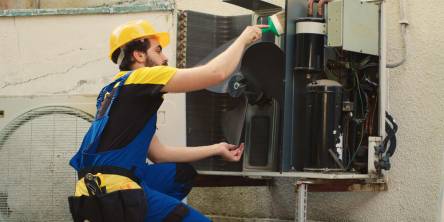
Heating and cooling equipment affect more than the temperature on the thermostat. It influences comfort between rooms, humidity, airflow, and the condition of the air as it moves through the home.
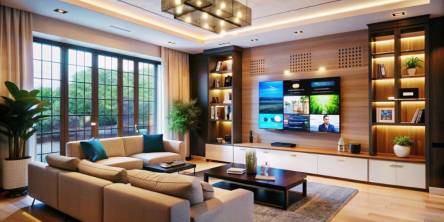
The key to a minimalist living room is restraint, but that's not enough to make a room feel finis
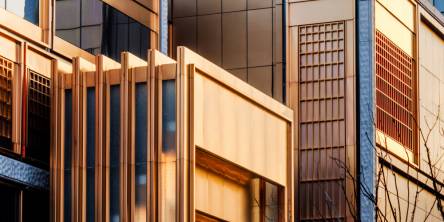
Rectification of exterior cladding may be required during the lifetime of a building for several reasons: to replace non-compliant cladding/combustible panels, to repair damage, to improve energy efficiency, or to modernise an older building.
A tunnel greenhouse is designed to provide years of growing space, but not every part of the structure has the same lifespan.
Australian hardwood presents a very different challenge from the lighter timber commonly used in many parts of the northern hemisphere.
Why Do Concrete Driveways Turn Orange After Summer Rain? Learn the causes—rust, minerals, irrigation—and how to clean and prevent stains.
DIY mistakes can quickly turn a money-saving project into an expensive repair. Learn how better planning, the right tools and knowing when to call a professional can help you avoid costly setbacks.
Modern bathrooms have evolved from purely functional spaces into relaxing retreats that balance comfort, aesthetics, and practicality.