

Frameless Shower Panel – The Modern Bathroom Essential
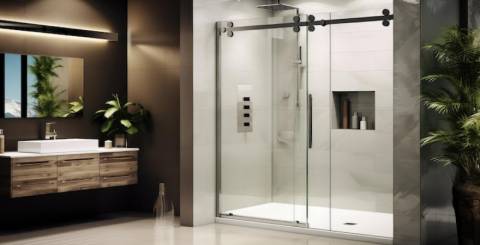
Modern bathrooms have evolved from purely functional spaces into relaxing retreats that balance comfort, aesthetics, and practicality. One design feature that has consistently gained popularity across American homes is the frameless shower panel. Its clean lines, transparent appearance, and minimalist construction create an open atmosphere while complementing nearly every interior style.
Unlike traditional shower enclosures with bulky metal frames, this design relies on thick tempered safety glass and carefully engineered hardware to create a sleek barrier that keeps water contained without overwhelming the room visually. Whether installed in compact bathrooms or spacious spa-inspired master suites, this style has become synonymous with contemporary bathroom design.
Understanding how these glass panels work, the materials involved, installation considerations, maintenance requirements, and design possibilities help homeowners make informed decisions when planning a bathroom renovation.
Why Minimalist Shower Glass Continues to Grow in Popularity
Bathroom design trends in the United States have increasingly shifted toward simplicity. Clean architectural lines, natural lighting, and uncluttered spaces dominate both new construction and remodeling projects. A frameless glass partition contributes to these goals because it removes visual barriers. Without thick aluminum framing interrupting the view, the bathroom appears larger, brighter, and more connected.
Interior designers often recommend clear glass because it showcases decorative tile work, stone walls, patterned flooring, or custom fixtures rather than hiding them behind opaque materials or bulky framing systems. This approach also fits multiple design styles, including:
-
Modern contemporary
-
Scandinavian-inspired interiors
-
Coastal homes
-
Industrial bathrooms
-
Luxury spa aesthetics
-
Transitional designs
Instead of competing with surrounding materials, transparent glass allows other design elements to become the focal point.
Understanding Tempered Safety Glass
One of the defining characteristics of modern shower glass systems is the use of tempered safety glass. Tempering is a specialized manufacturing process that heats glass to extremely high temperatures before rapidly cooling it. This process dramatically increases strength compared to standard annealed glass.
If damaged, tempered glass breaks into many small rounded pieces instead of dangerous sharp shards, reducing the risk of serious injury. For this reason, building codes throughout the United States typically require safety glazing materials in shower enclosures. Common glass thicknesses include:
-
3/8-inch tempered glass
-
1/2-inch tempered glass
Thicker glass generally provides greater rigidity, allowing installers to eliminate surrounding metal frames while maintaining structural stability.
How Glass Thickness Influences Performance
Glass thickness affects much more than appearance. Thicker panels resist flexing better, feel more substantial, and often create a premium experience during everyday use. They also provide increased stability for larger installations. However, selecting the appropriate thickness depends on several factors:
Panel Size
Larger panels typically require thicker glass to maintain strength and minimize movement.
Hardware Design
The hinges, support bars, brackets, and wall anchors all contribute to structural integrity. Hardware must be engineered specifically for the glass dimensions and weight.
Local Building Requirements
Building codes vary between municipalities. Professional installers verify compliance with local regulations before installation begins.
Design Flexibility for Different Bathroom Layouts
One reason homeowners appreciate modern glass shower systems is their adaptability. Nearly every bathroom layout can incorporate a fixed glass panel with the appropriate planning.
Walk-In Showers
Open walk-in showers often feature a single stationary glass panel that partially encloses the shower area while leaving an entrance without a door. This design minimizes moving components while creating an accessible bathing space.
Corner Installations
Bathrooms with corner showers may combine fixed glass sections with hinged doors or additional side panels depending on available space.
Wet Room Concepts
Luxury homes increasingly feature wet room layouts where the shower occupies one section of an open waterproofed bathroom. Glass partitions define the shower area without interrupting the overall openness of the room.
Bathtub Combinations
Glass panels are also replacing traditional shower curtains above bathtubs, providing a cleaner and more contemporary appearance.
Hardware Makes a Significant Difference
Although glass receives most of the attention, hardware plays an equally important role. Quality hardware determines long-term durability, smooth operation, and safety. Popular finishes include:
-
Matte black
-
Brushed nickel
-
Chrome
-
Oil-rubbed bronze
Choosing finishes that coordinate with faucets, towel bars, cabinet hardware, and lighting creates a cohesive bathroom design. Premium hardware also includes corrosion-resistant coatings designed to withstand constant exposure to moisture.
Water Management Considerations
Many people assume that eliminating frames automatically leads to water leakage. In reality, effective water control depends primarily on thoughtful design rather than framing. Professional installers carefully evaluate:
-
Showerhead placement
-
Floor slope
-
Drain location
-
Glass positioning
-
Threshold height
-
Water spray direction
Small seals or discreet clear vinyl strips may also help reduce water escape while maintaining the clean appearance homeowners expect. Proper planning is often more important than adding additional framing components.
Maintenance Is Surprisingly Simple
Glass maintenance is often easier than many homeowners expect. Because there are fewer metal channels and corners, there are fewer places for soap residue, mildew, and mineral deposits to accumulate. Routine maintenance generally involves:
-
Using a squeegee after showering
-
Wiping hardware occasionally
-
Cleaning glass with non-abrasive cleaners
-
Avoiding harsh scrubbing pads
-
Removing hard water spots promptly
Many homeowners also choose protective glass coatings that repel water and reduce mineral buildup. These coatings decrease cleaning frequency while helping maintain optical clarity over time.
Choosing the Right Glass Finish
Clear glass remains the most common option, but several alternatives offer different visual effects and privacy levels.
Clear Glass
Provides maximum transparency and showcases decorative tile installations.
Low-Iron Glass
Traditional clear glass naturally contains iron, producing a faint green tint. Low-iron glass minimizes this coloration for exceptional clarity.
Frosted Glass
Acid-etched or sandblasted finishes provide increased privacy while still allowing natural light to pass through.
Rain Glass
Textured patterns distort visibility while introducing decorative interest.
Tinted Glass
Grey, bronze, or other subtle tints complement specific interior color palettes. Each finish serves different functional and aesthetic goals.
Common Design Mistakes to Avoid
Even high-quality materials cannot compensate for poor planning. Several common mistakes affect both appearance and long-term performance.
1. Ignoring Bathroom Measurements
Precise measurements are essential because glass cannot typically be trimmed after tempering.
2. Choosing Hardware Before Finalizing Glass Dimensions
Hardware specifications depend upon glass size, thickness, and weight.
3. Overlooking Structural Support
Walls must provide sufficient backing for mounting heavy glass securely.
4. Forgetting Future Maintenance
Selecting hardware with accessible fasteners and corrosion-resistant finishes simplifies long-term care. Careful planning during the design phase often prevents costly modifications later.
Current Bathroom Design Trends
Contemporary bathroom design continues evolving alongside broader home design preferences. Several trends have become especially popular across the United States.
-
Large-format porcelain tiles create uninterrupted visual surfaces with fewer grout joints.
-
Floating vanities contribute to an open appearance while making floors easier to clean.
-
Linear drains improve drainage efficiency and complement minimalist aesthetics.
-
Warm metallic finishes such as brushed brass and champagne bronze have become increasingly common alternatives to polished chrome.
-
Natural stone textures, wood-look porcelain flooring, recessed niches, and integrated LED lighting further reinforce the spa-inspired atmosphere many homeowners seek.
-
Glass partitions fit naturally within these trends because they preserve visibility rather than interrupting carefully planned design features.
Accessibility and Universal Design
As homeowners increasingly renovate with long-term usability in mind, accessibility has become an important consideration. Open-entry shower designs eliminate high thresholds, making entry easier for individuals with limited mobility. When combined with slip-resistant flooring, grab bars, handheld showerheads, and appropriately designed drainage systems, glass shower layouts support universal design principles that benefit users of all ages. Planning for accessibility during an initial renovation is often more cost-effective than making modifications years later.
Environmental Considerations
Sustainability has become an important factor in residential construction. Glass itself is a recyclable material, and many manufacturers incorporate recycled content into production where feasible. Long-lasting materials also contribute to sustainability by reducing replacement frequency.
Additionally, durable hardware and high-quality tempered glass often remain functional for decades when properly maintained, lowering overall material consumption throughout the bathroom's lifecycle. Selecting products designed for longevity generally has a smaller environmental impact than replacing lower-quality components repeatedly.
Planning Before Installation
Successful bathroom renovations begin long before installation day. Professionals typically evaluate several important factors before fabricating custom glass. These include wall plumbness, floor levelness, ceiling conditions, plumbing locations, tile thickness, waterproofing systems, and overall shower dimensions. Because tempered glass cannot usually be altered after manufacturing, accurate measurements are critical throughout the planning process.
Consulting experienced installers and following applicable building codes helps ensure the finished enclosure performs safely while achieving the intended visual effect.
Final Thoughts
The enduring appeal of the frameless shower panel lies in its ability to combine engineering, safety, and timeless design into one elegant architectural element. Thick tempered glass, thoughtfully selected hardware, and careful installation create a shower enclosure that feels open, bright, and remarkably durable.
Whether incorporated into a compact guest bathroom or a luxury primary suite, modern glass shower systems continue to reflect broader trends toward minimalist interiors, increased natural light, and efficient use of space. Understanding the materials, maintenance requirements, design options, and installation considerations allows homeowners to make informed decisions that support both functionality and long-term value.
As bathroom design continues evolving, frameless glass remains one of the most versatile solutions for creating clean, contemporary spaces that balance beauty with everyday practicality.
Similar Articles
According to environmental studies, the average person spends roughly ninety percent of their life indoors. This staggering reality has sparked a widespread shift in how we approach interior spaces, especially as remote work and digital lifestyles keep us tethered to screens.

The garden has quietly become the most valuable extra room in the British home. With hybrid working now a fixture rather than a phase, the wider outdoor-living economy is booming.

Most people who hire a skip bin for the first time arrive at the decision under some degree of pressure. The renovation has started, the waste is accumulating, and the question of what to do with it has become urgent.

Most homeowners approaching a granny flat project spend considerable time thinking about the end result and considerably less time thinking about the floor plan decision that will largely determine what that result looks and feels like.

Running out of room? Happens to almost everyone eventually. Garages fill up, closets overflow, and suddenly the lawnmower is living next to the holiday decorations in some awkward standoff.

Heating and cooling equipment affect more than the temperature on the thermostat. It influences comfort between rooms, humidity, airflow, and the condition of the air as it moves through the home.
The key to a minimalist living room is restraint, but that's not enough to make a room feel finis
Rectification of exterior cladding may be required during the lifetime of a building for several reasons: to replace non-compliant cladding/combustible panels, to repair damage, to improve energy efficiency, or to modernise an older building.

A tunnel greenhouse is designed to provide years of growing space, but not every part of the structure has the same lifespan.