

Mobile Apps: Their Impact on the Entertainment Sector

Mobile phones have assumed a vital role in all of our lives. But be warned, it is not simply because it enables convenience. No, sir; people all over the world are becoming increasingly reliant on their mobile phones for entertainment, which, in turn, has opened up a whole new world of opportunities for the media and entertainment industry.
Entertainment mobile apps offer people to break their monotonous life. While it is not just an escape from the real-life, the entertainment mobile app development domain offers great profits with increased business stability. It starts from news feeds, series & music than anything the best entertainment apps serve – all with just one tap.
Amid all the fun of connecting/getting things done digitally and the best entertainment apps top the chart, makes it necessary for the mobile app development company to prioritize the domain too.
However, those who are still on the fence about the value mobile apps offer to the media and entertainment industry, worry not. Listed below are some of the key benefits of this nifty little tool to show you just how beneficial mobile apps have proven to be.
1. Enhanced user engagement: The entire point of entertainment is to keep users engaged, yes? So, as long as you can provide the latest and highly engaging content, you can rest assured that your app will be able to generate impressive rates of user engagement. Plus, if you connect your mobile app with a social media app, you will likely hit the user engagement jackpot.
2. Netter marketing and promotion results: Much like any other business out there, it is imperative that the media and entertainment industry promote itself and promote itself well. Sure enough, there are multiple means to do that, but none of them is quite as effective as a mobile app. Why is that though? Well, folks, the growing reliance of humankind on mobile devices is not new, and as this reliance on mobile devices grows, so will the rate of users’ engagement with the brand’s apps. All in all, a terrific way to enhance the brand’s presence.
3. Improved access to information: It is no secret that the world lives and thrives on data. The market offers information about pretty much everything. Want to look up an origami tutorial? Or maybe you want to watch a documentary about a subject you care about deeply. A mobile app in the entertainment and media world can make it much, much easier for users to gain such access to information and learn about topics they are interested in or pursue new hobbies from the comfort of their homes and behind their screens.
4. Monitor trends: The media and entertainment industry, much like most others, is highly reliant on the latest trends in the industry. Why? Well, because trends offer a glimpse of what the company’s target audience wants. With help from mobile apps, companies can keep an eye on their users’ usage patterns, etc. Plus, combine this with data gleaned from social media and you have a virtual gold mine of insights about the latest demands, technologies, etc. in the market.
The media and entertainment industry is immense and one that offers a plethora of opportunities to companies that decide to get involved in the sector. Now along with the abundant opportunities, the sector must also contend with a variety of challenges, such as adapting to evolving user expectations, garnering more user engagement, driving better brand promotion, and more. Of course, companies need solid help in dealing with these challenges and mobile apps have consistently proven to be invaluable in this context. So, go ahead and start looking for a trusted vendor for custom Android development services to get started on your development project ASAP.
Similar Articles
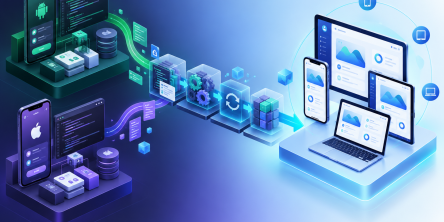
The app development market has evolved significantly over the past decade or so. Its impact on business has been equally consequential.

Offshore IT hiring means recruiting IT professionals who work from another country or region. Companies commonly use this approach for software development, QA, IT support, DevOps, cybersecurity, data, and project management.
By 2026, moving to the cloud is no longer merely a competitive advantage. It is a business necessity. Every organization across the broad spectrum of industries will be challenged to become more agile.
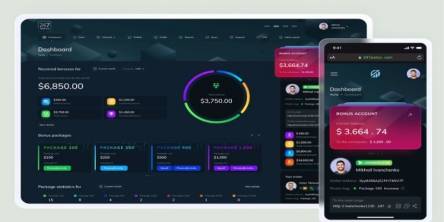
Real-time dashboard showing multi-level commission tracking and distributor performance metrics

Digital transformation initiatives are no longer unheard of in the corporate world. As a matter of fact, it is also well known that companies expanding their digital footprint tend to run into crippling legacy apps.

The financial aid office has become one of the most operationally strained departments on the modern U.S. campus. FAFSA complexity, chronic staff turnover, tightening Title IV compliance obligations, and the persistent problem of unspent scholarship dollars have pushed administrators toward purpose-built financial aid management software
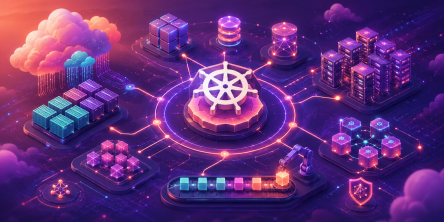
The demand for software delivery has never been higher. Applications must be delivered faster and on a scale like never before.
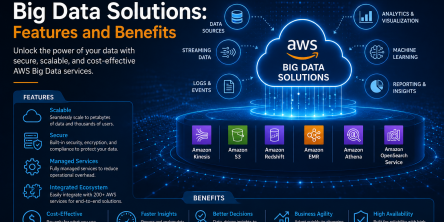
Modern businesses produce large amounts of data daily. Be it from customer transactions, Internet of Things (IoT) sensors, or countless other such sources.

Businesses today need to ship new software faster than ever. That's not news, of course. Anyway, because of the demands on businesses, new solutions are being built on top of micro-services, serverless functions, etc.