

Dealing with Aches and Pains as You Age
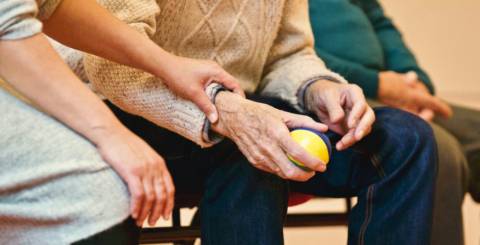
It’s no secret that ageing takes a toll on your bodies. Your bones and muscles aren’t as strong as they once were, your immune system gets weaker, and your eyesight and hearing often aren’t as sharp as they were in your younger days.
With that comes a lot of aches and pains, often seemingly out of nowhere. So, in this post, we’re going to give you a rundown of some of the most common aches and pains you might suffer as you age, what causes them and some common treatments.
The most common aches and pains
Before you can understand how to deal with your aches and pains, it’s important that you understand what’s causing them.
Arthritis
This is a musculoskeletal disease that causes joint pain, inflammation, and stiffness in the sufferer. While it’s not a condition exclusive to the elderly, it is more common in this group. The two most common types of arthritis are osteoarthritis rheumatoid arthritis. The main difference between these two is that where osteoarthritis is the progressive wear and tear of a joint’s cartilage, rheumatoid arthritis is an autoimmune disease where the body is attacking itself.
Degenerative disc disease
This pain is caused by the discs in the neck and lower back degenerating as you age. The soft tissue inside these cells can rupture or bulge out, which puts pressure on the nerves or your spinal cord. Depending on which discs are affected by this disease, you might be experiencing neck pain, pain in the lower back or sharp, shooting pains in your buttocks and down your legs. Typically, this disease affects those aged 40+ and tends to worsen in their 60s.
Bone spurs
This problem occurs when calcified growths appear on your spine, neck, shoulders, hips, knees or feet. These growths tend to press on the nerves, ligaments and tendons, causing compression that results in aches and pains as well as tingling and numbness. and cause pain
What causes these problems?
There is a number of things that can cause aches and pains as your age, not all of which are medical or even health-related.
Stress on the joints
Stress on your bones and joints can, at any age can have a huge impact on your overall bone health throughout your life. If you’re someone who constantly engages in physical activity, such as a hands-on trade or athletic lifestyle, make sure you are taking extra precautions to look after your bones. You may end up suffering, pains, and problems with your mobility and bones as you age if you don’t.
Injury
Suffering an injury is another reason many people end up with aches and pains, both in their young and early lives. The elderly, however, are much more prone to accidents and this, coupled with weakened bones due to age, is a recipe for disaster. So, take care to prevent falls where possible.
Simply ageing
Unfortunately, in some cases, aches and pains are a natural part of ageing and have no real cause other than your body getting older. As we age, our bones, as well as things like our muscles and immune system, start to weaken> But, there are things we can do to treat these aches and pains, nonetheless.
Treating and managing aches and pains
The type of treatment you’ll get depends on the issue that’s causing your aches and pains. For example, there is currently no cure for arthritis, but there are many effective treatments that will help slow down its progress.
Osteoarthritis can be treated with changes to your current lifestyle, medication, and possibly surgery. Treatments for rheumatoid arthritis are much the same. However, you may also be offered physiotherapy alongside medication and/or surgery to help minimise inflammation and retain movements.
Surgery is often using to treat several types of joint pain. Typically, the most common surgery you will be recommended is hip replacement or knee replacement surgery. You may also be recommended surgery for your feet, ankle, hand, wrist, shoulder, or elbow.
If your pain is caused by weakened bones, then there are steps you can take to tackle this. For example, there are elements you can add to your diet to help build healthy bones, exercises that you can do to help build bone strength and even calcium and vitamin supplements that you can take to help encourage strong and healthy bones.
Similar Articles

A beautiful building tells you nothing about recovery outcomes. When you tour a Private Luxury Rehab in Los Angeles, comfort is often presented before clinical care, and families may pay a deposit before asking a single hard question.

Most advice about emotions assumes the hard part is identifying them.

Healthcare is built around people, but providing good care also depends on how well an organization manages the many tasks happening around each patient.
We live in an era where restorative rest is increasingly difficult to achieve. The relentless pace of contemporary work environments leaves little room for mental decompression.

Look up almost any doctor before an appointment, which is what the majority of patients now do, a
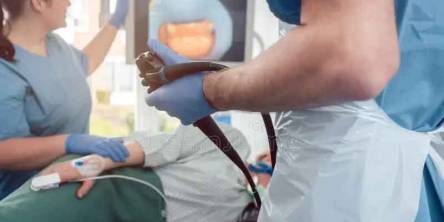
Endoscopy is a minimally invasive medical procedure that enables healthcare professionals to examine the internal organs and body cavities using a thin, flexible instrument called an endoscope.
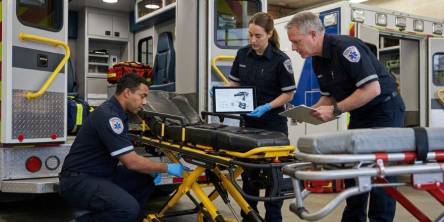
Learn how to choose the right ambulance stretcher for your fleet in 2026 by comparing safety, durability, mobility, comfort, and key features.

Look at how people around you actually watch things. Captions on. Not in a noisy train carriage, not in a shared flat at midnight, but at home, alone, on a good television, by people whose hearing is fine.

Finding the right medical daycare involves more than choosing whichever center is closest to home.