

Stages of Root Canal Treatment
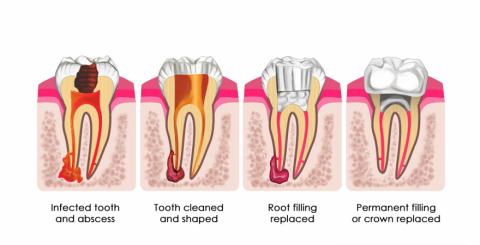
If you’ve been advised to go for root canal treatment and if this is your first time, you could be nervous. Being informed about what root canal treatment is all about, makes you better prepared and less anxious.
Root canal treatment becomes necessary when the tooth pulp becomes inflamed or infected, leading to severe tooth pain and, eventually, damaging the pulp. Root canal treatment saves the tooth and relieves the pain.
The causes for a root canal could be deep tooth decay, repeated dental procedures on one tooth, trauma such as a crack, chip, or even a root fracture. Sometimes gum disease can also lead to root canal problems necessitating root canal treatment.
Root canal treatment is done in the following steps:
Step 1 – Diagnosis, preparation of the infected site, and rubber dam application - Your dentist will assess the cause for tooth pain after evaluating your medical history and examining the tooth with a radiographic image (X-ray) of the tooth.
Step 2 – Local anesthesia is administered via injections to numb the tooth to be treated and the surrounding tissues. If you are very nervous about the pain, your dentist will use oral sedation to keep you calm during the treatment.
Step 3 – A rubber dam is applied to isolate the infected tooth: This helps the dentist to better access and view the tooth and prevent contamination from the bacteria in the saliva or rest of the mouth.
Step 4 – Accessing the root canal: The root canal is accessed by making a hole in the crown to access the pulp chamber and root canal for treatment. If the back tooth is infected, a hole is made through the biting surface of that affected tooth; if it is the front tooth, the hole is made from behind the tooth to access the pulp chamber.
Step 5 - Cleaning the root canal: The canal is shaped to carry out the disinfection by irrigating the canal. The infected pulp tissue and the damaged nerve are then removed from the root canal. Irrigation of canal disinfects the canal and the pulp chamber with a disinfecting solution.
Step 6 – Shaping the canals: The canals are then shaped with tiny flexible instruments to allow them to receive root canal fillings and sealers.
Step 7 - Sealing the tooth: The cleaned canal is then packed with sealing material called gutta-percha, a biocompatible material. This prevents the entry of microbes and future infections.
Step 8 – Sealing the access hole: A temporary or permanent filling material is placed to seal the access hole (that was made to treat the canals). If the tooth lacks sufficient structure to hold a restoration (filling) in place, a metal post may be placed in one of the canals inside the tooth to help retain it.
Step 9 – Post RCT care: After the procedure, an antibiotic and pain medication may be prescribed to treat or prevent infection and manage pain, if any. Follow the instructions of your dentist or endodontist.
Step 10 – Restoration - Your tooth will need a permanent restoration to replace the lost tooth structure and provide a complete seal to the top of the tooth. The restoration could be a filling or a crown. If you’ve been advised root canal treatment and if this is your first time, you could be apprehensive. Being informed about what root canal treatment is all about, makes you better prepared and less apprehensive.
These are the stages for root canal treatment. If your tooth pulp is infected, then do for root canal treatment. Take the correct medication after the root canal treatment. so that it will cure easily.
Treating root canals require a great deal of precision and care to treat well. Therefore, some of the dentists use state-of-the-art technology including digital (radiographic) imaging to diagnose root canal problems. They use ultrasonic instrumentation to remove old canal fillings and posts and clean canals; and operating microscopes to accurately locate, visualize and seal root canal systems
The whole treatment is quite high-tech and requires highly skilled dentists or endodontists to perform root canal treatment successfully. The dentists who are empathetic and therefore use oral sedation to allay any fear of treatment for the patient.
Similar Articles
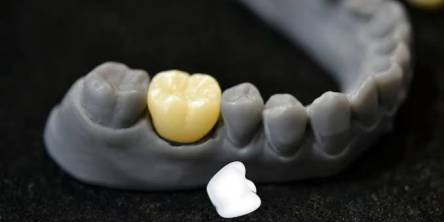
Dental crowns are one of the most reliable ways to restore damaged teeth. Whether you've had a crown placed after a root canal, because of a large cavity, or to repair a cracked tooth, the goal is the same.
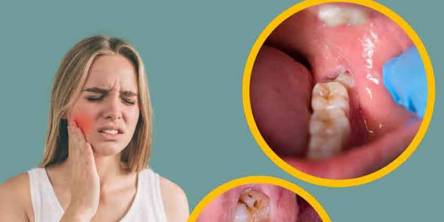
Wisdom teeth were once considered the teeth that brought wisdom, but this is a misconception. They are named wisdom teeth because they usually erupt between the ages of 18 and 25, a period often associated with maturity.

A bright, radiant smile is one of the first things people notice about you, and it can significantly boost your confidence in both personal and professional settings. Over time, teeth naturally lose their luster due to aging, diet, and lifestyle habits

Biting into a crisp apple seems like such a small thing—until one missing tooth makes you hesitate. Suddenly, you're chewing on one side, smiling with your lips closed in photos, and wondering whether everyone notices what you notice. Replacing a missing tooth isn't just about appearance

Gum disease is one of the leading causes of tooth loss in adults. Many people do not realize how serious it can become because the early symptoms often seem minor.

One day, you're biting into a sandwich without a second thought. Next, you're chewing on one side, avoiding mirrors, or wondering when smiling became something you overthink.

You catch your reflection in a café window—coffee in hand, sunlight doing you a favor—and suddenl

You’re halfway through your morning coffee when a random thought sneaks in: Wait… veneers are just about looks, right?

Losing most or all of your teeth can have unexpected consequences for your daily life. Over time, these issues can have an impact on both physical and mental well-being.