

How SharePoint Enhances Project Management Efficiency

The business landscape today is dynamic and rapidly changing. This much has been for everyone to see. For companies of all sizes, this change has meant constant efforts for efficiency and success. It is also worth noting that businesses are under enormous pressure to complete projects on time and to the required quality standards. The pressure can be chalked up to the highly competitive environment. Anyway, the successful navigation of this complex environment necessitates a structured and organized approach to project management. Basically, spreadsheets and email chains will no longer do.
These challenges are what is driving businesses to turn to technology to streamline project management processes. This is where SharePoint has managed to carve a niche for itself, providing a centralized hub for all project related information and fostering collaboration. It also helps improve communication and enhances overall efficiency.
In this blog, I will discuss how your project too stands to benefit were you engage the services of an expert SharePoint development company.
What Refers to as Project Management?
The terms refer to the use of knowledge and solutions to meet a given project's objectives. In the business world, project management is critical for achieving strategic goals. Why? Well, it is what facilitates efficient and effective planning and executing initiatives, resulting in growth and innovation.
Top SharePoint Benefits for Project Management You Simply Can't Ignore
Having the appropriate tools is essential for effectively managing projects, and SharePoint is a game-changer. Project management is made easier with its smooth communication and real-time document sharing features. Its strong features facilitate teamwork, increase productivity, and improve workflows. The main advantages that make SharePoint essential are broken down in this guide. Let's investigate how it can change your approach to project management.
- Better task management: SharePoint allows you to create and manage project tasks in a structured manner. This translates into the ability to create tasks and assign them to specific team members. You can also set deadlines and monitor said tasks' progress via this Microsoft offering. Employees can also track the status of their assigned tasks, providing a clear picture of what needs to be done and more. SharePoint allows you to create task lists with customizable columns that capture relevant information such as priority and assigned person. This structured approach aids in organizing work, ensuring accountability and keeping the project on track.
- Centralized document management: SharePoint does away with the need to search multiple email inboxes or shared drives for the necessary information. Its version control also ensures that everyone is working on the most recent version of a document. The result? Reduced errors and confusion. It also allows you to set access permissions to limit who can view or download specific documents. This delivers a great boost to security and safeguards sensitive information. Oh and did I mention SharePoint's document libraries allow you to create folders and categorize documents using metadata?
- Improved resource allocation: Thanks to SharePoint's provision of a clear view of tasks and assignments, project managers can see who is working on which tasks. Consequently, they can identify potential resource overallocation or underutilization. Task lists can be filtered and sorted to better understand individual workloads. Besides that, integration with other Microsoft tools such as Outlook Calendar can provide information about team members' availability. SharePoint is decidedly not a comprehensive resource management solution on its own. Yet it is conducive to better understanding and managing team member allocation to project tasks.
- Ease of integration with MS tools: SharePoint can work seamlessly with other Microsoft Office 365 apps. Case in point: it can be integrated with Power Automate to create automated workflows for tasks. Additionally, SharePoint can connect with other business applications via its open architecture and APIs. This empowers organizations to create custom integrations to meet their specific requirements.
Final Words
As you can see, ladies and gentlemen: this mighty powerful offering from the stables of Microsoft stands to transform project management. In a good way, I might add. So, all you need now is a trusted SharePoint development company to get started.
Similar Articles

The app development market has evolved significantly over the past decade or so. Its impact on business has been equally consequential.

Offshore IT hiring means recruiting IT professionals who work from another country or region. Companies commonly use this approach for software development, QA, IT support, DevOps, cybersecurity, data, and project management.

By 2026, moving to the cloud is no longer merely a competitive advantage. It is a business necessity. Every organization across the broad spectrum of industries will be challenged to become more agile.
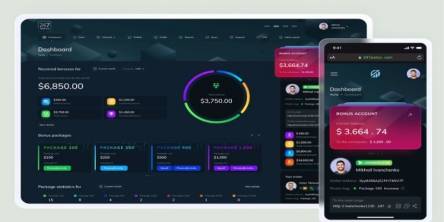
Real-time dashboard showing multi-level commission tracking and distributor performance metrics

Digital transformation initiatives are no longer unheard of in the corporate world. As a matter of fact, it is also well known that companies expanding their digital footprint tend to run into crippling legacy apps.

The financial aid office has become one of the most operationally strained departments on the modern U.S. campus. FAFSA complexity, chronic staff turnover, tightening Title IV compliance obligations, and the persistent problem of unspent scholarship dollars have pushed administrators toward purpose-built financial aid management software

The demand for software delivery has never been higher. Applications must be delivered faster and on a scale like never before.
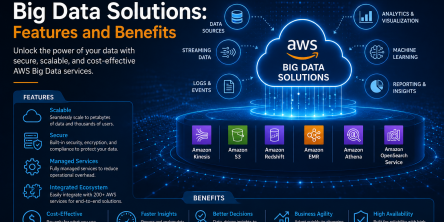
Modern businesses produce large amounts of data daily. Be it from customer transactions, Internet of Things (IoT) sensors, or countless other such sources.

Businesses today need to ship new software faster than ever. That's not news, of course. Anyway, because of the demands on businesses, new solutions are being built on top of micro-services, serverless functions, etc.