

Common Issues with Lighted Mirrors and How to Fix Them

Lighted mirror vanity have become a staple in modern bathrooms and vanity setups, combining style and functionality. Whether it’s for applying makeup, shaving, or simply enhancing the aesthetics of your bathroom, lighted mirror vanities are a fantastic choice. However, like any electrical device, they can sometimes experience issues.
In this article, we will explore common problems with lighted mirrors and provide practical solutions to fix them. Whether you’re a homeowner or an interior design enthusiast, this guide will help you maintain your lighted mirror and keep it in optimal condition.
Why Choose a Lighted Mirror Vanity?
Before diving into the issues, let’s understand why lighted mirror vanities are so popular:
- Enhanced Lighting: Perfect for precision tasks like makeup application and shaving.
- Modern Aesthetic: Adds a sleek, contemporary look to your bathroom.
- Energy Efficiency: Most lighted mirrors use LED lights, which are long-lasting and consume less energy.
- Convenience: Many models come with features like dimmable lighting, anti-fog settings, and touch controls.
Despite their advantages, lighted mirrors can occasionally encounter problems. Let’s address these common issues and their solutions.
Read more: 5 Top Tips to Clean the Mirrors in Bathrooms Without Marks
1. Flickering Lights
Causes:
- Loose wiring or connections
- Faulty LED bulbs
- Voltage fluctuations
Fix:
- Check the Wiring: Turn off the power supply and inspect the wiring connections behind the mirror. Tighten any loose wires.
- Replace the Bulbs: If the LED bulbs are faulty, replace them with compatible ones.
- Stabilize Voltage: Use a voltage stabilizer if fluctuations are common in your area.
Prevention:
Ensure professional installation and use high-quality components to avoid wiring issues.
2. Lights Not Turning On
Causes:
- Power supply issues
- Burnt-out LED strips or bulbs
- Faulty switch or control panel
Fix:
- Check the Power Source: Ensure the mirror is properly plugged in or wired to a functional power outlet.
- Inspect the LEDs: If the LEDs are burnt out, replace them.
- Examine the Switch: If the touch or physical switch isn’t working, it may need replacement or repair.
Prevention:
Regularly check connections and avoid overloading circuits.
3. Anti-Fog Feature Not Working
Causes:
- Faulty defogger
- Insufficient power supply
- Wiring issues
Fix:
- Test the Defogger: If the anti-fog feature isn’t heating the mirror, check its wiring and power connection.
- Replace the Defogger: If it’s damaged, contact the manufacturer or purchase a replacement part.
Prevention:
Always use the anti-fog feature as recommended by the manufacturer to prevent overheating or damage.
4. Uneven Lighting
Causes:
- Faulty LED strips
- Improper installation
- Dirt or debris on the light panels
Fix:
- Replace LED Strips: If certain sections are dimmer, replace the faulty strips.
- Reinstall Correctly: Ensure the light strips are evenly aligned during installation.
- Clean the Panels: Use a soft cloth to remove dirt or debris obstructing the light.
Prevention:
Opt for high-quality lighted mirrors to ensure even lighting and durability.
5. Mirror Surface Fogging Up
Causes:
- Anti-fog feature not activated
- Defective anti-fog component
Fix:
- Turn On the Anti-Fog Feature: Ensure the feature is activated before or during use.
- Check the Defogger: If the feature is defective, repair or replace it.
Prevention:
Activate the anti-fog feature before stepping into the shower to give it time to heat the surface.
6. Touch Controls Not Responding
Causes:
- Moisture on the control panel
- Faulty touch sensors
- Power supply issues
Fix:
- Dry the Panel: Wipe the touch controls with a dry cloth to remove moisture.
- Inspect the Sensors: If the sensors are faulty, contact the manufacturer for repair or replacement.
- Check the Power Supply: Ensure the mirror is receiving consistent power.
Prevention:
Keep the touch controls dry and avoid using them with wet hands.
7. Buzzing or Humming Noise
Causes:
- Electrical interference
- Loose components
Fix:
- Secure Loose Parts: Inspect the mirror and tighten any loose screws or components.
- Check for Interference: Ensure the mirror is not placed near devices causing electrical interference.
Prevention:
Install the mirror away from high-interference devices and ensure proper wiring.
8. Short Lifespan of LED Lights
Causes:
- Poor-quality LEDs
- Overuse or overheating
Fix:
- Replace with High-Quality LEDs: Use durable LED strips or bulbs compatible with your lighted mirror.
- Avoid Overuse: Turn off the lights when not in use to prevent overheating.
Prevention:
Invest in premium lighted mirrors from trusted sources for long-lasting performance.
Maintenance Tips for Lighted Mirrors
- Clean Regularly: Use a microfiber cloth and a mild glass cleaner to keep the mirror spotless.
- Inspect Wiring: Periodically check the wiring and connections to prevent issues.
- Avoid Moisture Damage: Protect the electrical components from excessive moisture.
- Use the Right Bulbs: Always replace LEDs with compatible, high-quality options.
Takeaway
Lighted mirror vanities are a fantastic addition to any bathroom, but like any device, they require proper maintenance and occasional troubleshooting. By addressing common issues like flickering lights, non-responsive touch controls, or faulty anti-fog features, you can extend the life of your mirror and enjoy its full benefits.
Similar Articles

Prepare your condo for professional management with a practical pre-onboarding checklist covering documents, finances, maintenance, and resident communication.
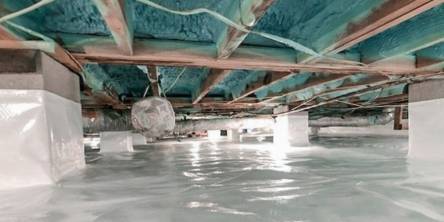
Discover 7 essential questions to ask when choosing a crawl space company for your coastal home, ensuring quality repairs, moisture control, and lasting protection.

A home sauna can sound like a luxury purchase, but for some households it becomes a feature that gets used regularly rather than occasionally. The real question is not whether a sauna is appealing. It is whether the cost makes sense for the way you live.
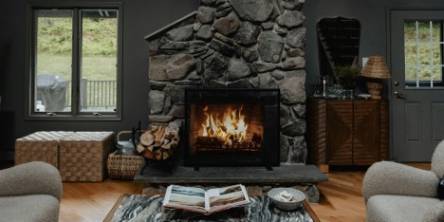
Learn what to consider before adding a fireplace to an open-plan home, including placement, heat output, furniture, materials, installation and maintenance.
Garage doors are used so frequently that it is easy to overlook the wear and tear they experience. Over time, moving parts can loosen, sensors can become misaligned, and small mechanical problems can develop into expensive repairs.
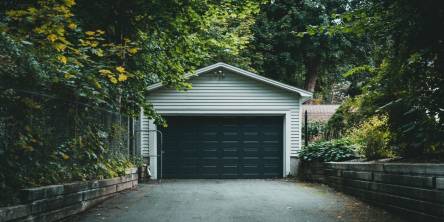
Most of the decisions that make or break a detached garage happen before a single wall goes up.

If you have ever cleared the dining table for a blow-up mattress, or given up your own bedroom for a week while relatives filled the house, you already understand the problem.

According to environmental studies, the average person spends roughly ninety percent of their life indoors. This staggering reality has sparked a widespread shift in how we approach interior spaces, especially as remote work and digital lifestyles keep us tethered to screens.

The garden has quietly become the most valuable extra room in the British home. With hybrid working now a fixture rather than a phase, the wider outdoor-living economy is booming.