

Designing a Calming Home Oasis With Nature-Inspired Decor and Lighting
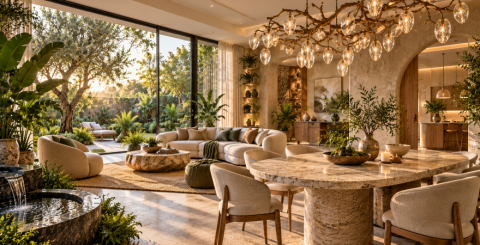
According to environmental studies, the average person spends roughly ninety percent of their life indoors. This staggering reality has sparked a widespread shift in how we approach interior spaces, especially as remote work and digital lifestyles keep us tethered to screens. Gone are the days of prioritizing stark, clinical minimalism that feels cold and unwelcoming. Instead, homeowners are actively looking for ways to cultivate a restorative sanctuary. By embracing natural elements, organic textures, and mindful illumination, you can seamlessly transform an ordinary living space into a deeply calming retreat that offers a much-needed respite from the outside world.
Sculptural Illumination and Organic Forms
Lighting plays a monumental role in setting the mood of any oasis, acting as the bridge between functional architecture and emotional comfort. While recessed lights and standard overhead bulbs have their practical uses, they often fail to provide the multidimensional warmth required for a truly relaxing atmosphere. Modern luxury interiors are increasingly utilizing fixtures that act as sculptural art pieces. Designers are moving away from rigid geometries, favoring nature-inspired shapes that mimic sprawling tree branches, cascading water droplets, or delicate leaves. These pieces are often crafted from earthly materials like solid bronze, brushed brass, and hand-blown glass, adding a layer of tactile luxury.
For example, a stunning piece of chandelier lighting designed with asymmetrical, biomorphic forms can serve as the artistic anchor of a room. When a central light fixture embodies the irregular, flowing lines found in nature, it softens the hard architectural edges of a typical dining room, living area, or entryway. Coupling these organic silhouettes with warm, daylight-responsive bulbs helps maintain a healthy circadian rhythm. These advanced lighting systems slowly shift color temperatures throughout the day, tricking the brain into feeling the gentle, calming progression of natural sunlight from dawn to dusk. This dynamic shift ensures your home feels energizing in the morning and incredibly soothing by evening.
The Psychological Shift Toward Biophilic Design
The concept of biophilic design revolves around our innate human need to connect with the natural world. It is no longer just a passing aesthetic trend but a foundational aspect of modern residential planning. Incorporating earthly elements into a room goes far beyond basic decoration, as environmental psychology indicates it directly impacts mental health. In fact, leading frameworks like the WELL Building Standard mandate biophilic features to improve the physiological health of building occupants, recognizing that our environments shape our biology.
Research confirms that visual and tactile connections to the outdoors can significantly lower occupant stress levels, reduce blood pressure, and improve cognitive function. According to a 2024 academic dissertation from Duquesne University, integrating natural materials, indoor plants, and organic patterns into therapeutic and residential environments enhances clients' sense of safety and promotes holistic well-being. When we surround ourselves with shapes and textures that mimic the environment, our homes become active participants in our daily recovery and relaxation. The absence of sharp angles and the introduction of flowing lines tell our brains that we are in a secure, natural space, free from artificial threats.
Practical Steps to Build Your Indoor Ecosystem
Creating a cohesive natural aesthetic involves layering various sensory experiences to replicate the complexity of the outdoors. You do not need a massive renovation budget to start reaping the benefits of a nature-inspired home. Small, intentional changes can dramatically alter the energy of a room and engage multiple senses simultaneously, turning a stagnant space into a dynamic sanctuary.
Consider these foundational strategies for your home redesign:
- Embrace tactile materials: Swap out high-gloss synthetics for raw stone, unpolished wood, and textured ceramics. These authentic materials ground a space and invite touch, making the environment feel rich and connected to the earth.
- Prioritize indirect biophilia: If maintaining live plants is difficult, use decor that mimics natural geometries like the Fibonacci sequence. Wallpapers with botanical prints, curving furniture, and arched doorways subconsciously evoke the tranquility of a forest or shoreline.
- Layer your greenery: Place large potted plants in neglected corners and let trailing vines cascade from high shelving. This adds vital vertical visual interest, improves indoor air quality, and introduces vibrant color to neutral rooms.
- Maximize natural light: Remove heavy, dark drapery in favor of sheer, lightweight fabrics that allow sunlight to filter through gently without sacrificing your privacy. Mirrors can also be strategically placed opposite windows to bounce natural light deeper into your home.
- Incorporate water elements: The sound of moving water is universally recognized as a calming force. Introducing a small indoor fountain or an enclosed water feature can mask disruptive street noise and promote deep relaxation.
Looking at the broader picture of home design, these micro-adjustments feed into larger architectural movements. As seen in recent explorations of integrating biophilic design principles to bring nature indoors, modern residential planning continues to emphasize wellness, sustainability, and the profound impact that natural sunlight and earthly materials have on our overall health. The goal is to create environments that organically mirror the natural world, rather than isolating us from it. By blurring the boundaries between interior and exterior, we create spaces that feel expansive and deeply restorative.
A Lasting Investment in Daily Tranquility
Designing a calming home oasis is ultimately about creating a space that actively nurtures your mind and body. By stepping away from rigid lines and artificial environments, you invite a profound sense of peace into your daily routine. Whether through the gentle glow of branch-like fixtures, the rough texture of a stone accent wall, or the quiet presence of indoor foliage, nature-inspired decor ensures your home remains a true sanctuary in an otherwise busy world. Bringing the outdoors inside is the most reliable way to make every room feel like a breath of fresh air, offering a daily reset that prepares you for whatever comes next.
Similar Articles

The garden has quietly become the most valuable extra room in the British home. With hybrid working now a fixture rather than a phase, the wider outdoor-living economy is booming.

Most people who hire a skip bin for the first time arrive at the decision under some degree of pressure. The renovation has started, the waste is accumulating, and the question of what to do with it has become urgent.

Most homeowners approaching a granny flat project spend considerable time thinking about the end result and considerably less time thinking about the floor plan decision that will largely determine what that result looks and feels like.

Running out of room? Happens to almost everyone eventually. Garages fill up, closets overflow, and suddenly the lawnmower is living next to the holiday decorations in some awkward standoff.

Heating and cooling equipment affect more than the temperature on the thermostat. It influences comfort between rooms, humidity, airflow, and the condition of the air as it moves through the home.
The key to a minimalist living room is restraint, but that's not enough to make a room feel finis

Rectification of exterior cladding may be required during the lifetime of a building for several reasons: to replace non-compliant cladding/combustible panels, to repair damage, to improve energy efficiency, or to modernise an older building.

A tunnel greenhouse is designed to provide years of growing space, but not every part of the structure has the same lifespan.

Australian hardwood presents a very different challenge from the lighter timber commonly used in many parts of the northern hemisphere.