

How to Inspect Your Garage Door for Safety and Prevent Costly Repairs
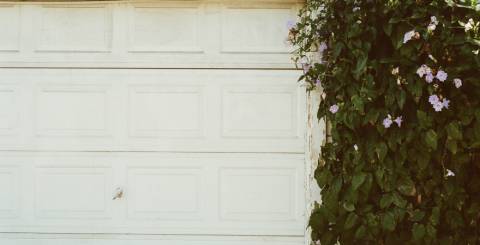
Garage doors are used so frequently that it is easy to overlook the wear and tear they experience. Over time, moving parts can loosen, sensors can become misaligned, and small mechanical problems can develop into expensive repairs. A simple monthly inspection can help you identify warning signs early and keep your garage door operating safely.
Most basic checks take about ten minutes and require no special tools. The goal is not to repair mechanical components yourself, but to identify problems that may need attention. Before starting, keep children and pets away from the door and its moving parts.
1. Inspect the Door's Main Components
Start with the garage door fully closed. Look at the springs, cables, rollers, hinges, brackets, and tracks from a safe distance. Check for visible signs of wear, including frayed cables, cracked hinges, bent tracks, loose hardware, or gaps in the springs.
Do not touch or attempt to tighten components connected to the spring system. Garage door springs can remain under substantial tension even when the door is closed.
Next, operate the door using the wall control while watching its movement from a safe position. Listen for unusual sounds such as grinding, scraping, squealing, or repeated popping. Pay attention to jerky movement, hesitation, or changes in speed.
A new noise or change in operation does not always indicate a serious fault, but it is worth investigating. Make a note of when the sound occurs so you can describe it accurately if professional service is needed.
2. Check the Garage Door's Balance Safely
The counterbalance system helps support the door's weight and allows the opener to move it without excessive strain. If the door becomes difficult to lift or no longer stays in position, the springs or related components may need professional adjustment.
A manual balance check should only be performed if the door is visibly intact, operates normally, and the manufacturer's instructions permit it. Do not attempt this test if you notice a damaged spring, loose cable, crooked door, or other mechanical problem.
If the inspection is appropriate, close the door completely and disconnect the opener using the emergency release mechanism as described in the owner's manual. Never pull the release while the door is moving.
Carefully lift the door by hand to the position recommended by the manufacturer. A properly balanced door should move smoothly and remain reasonably stable. If it drops, rises unexpectedly, feels unusually heavy, or moves unevenly, stop the test.
Keep clear of the door and arrange for a qualified technician to inspect the counterbalance system. Never attempt to adjust or replace torsion springs, extension springs, or their associated cables yourself.
3. Test the Automatic Reversal System
The automatic reversal system helps prevent injuries and property damage when a closing garage door encounters an obstruction. Its operation should be checked regularly according to the opener manufacturer's instructions.
Many residential garage door openers have a contact-reversal test that uses a suitable solid object placed flat on the floor beneath the door. Follow the exact test procedure and dimensions specified in your owner's manual. The door should reverse when it contacts the test object.
If the door continues pushing against the obstruction, fails to reverse, or behaves unpredictably, stop using the automatic closing function. Keep people and pets away from the opening and arrange for professional inspection.
Do not repeatedly test a malfunctioning door or increase the opener's closing force to overcome resistance. Excessive force can create an additional safety hazard.
4. Inspect and Test the Photoelectric Sensors
Most modern residential garage door openers have photoelectric safety sensors near the bottom of the door tracks. These sensors create an invisible beam across the opening. When the beam is interrupted during closing, the door should stop and reverse.
First, check that both sensors are securely mounted and aligned with each other. Look for dirt, dust, spiderwebs, or other obstructions on the lenses. Clean them gently with a soft, dry cloth.
Check the indicator lights and consult the owner's manual to understand what their signals mean. A blinking or unlit indicator may indicate a blocked beam, misalignment, wiring problem, or sensor fault.
Test the system using the procedure specified by the manufacturer. If the door does not reverse when the beam is interrupted, stop using the opener until the problem has been corrected.
Keep the sensor area clear of bicycles, storage boxes, gardening equipment, and other objects that could interfere with the beam. Never bypass the sensors or operate the door with a known safety-system fault.
5. Lubricate Moving Parts When Needed
Proper lubrication can reduce friction, minimize noise, and help extend the life of certain garage door components. However, not every part needs lubricant, and using the wrong product can cause problems.
Check the manufacturer's maintenance instructions before applying anything. If lubrication is recommended, use a product specifically suitable for garage doors and apply it sparingly to the designated hinges, roller bearings, and spring components.
Avoid coating the tracks with grease. Heavy lubricant can collect dust and debris, potentially interfering with roller movement. Wipe the tracks clean with a cloth instead.
Do not lubricate the opener's chain, belt, or other drive components unless the manufacturer specifically recommends it. Some systems require no additional lubrication, while others have particular maintenance requirements.
After applying lubricant, remove any excess and operate the door to check for smooth movement. If unusual noises persist, the underlying issue may require more than lubrication.
6. Know When to Arrange Professional Repairs
A routine inspection can reveal warning signs, but certain problems should never be treated as do-it-yourself repairs.
Contact a qualified garage door technician if you notice:
A broken spring or a visible gap in a spring.
Frayed, loose, or damaged lifting cables.
A door that has come off its tracks.
A door that feels unusually heavy or will not remain balanced.
Bent structural components or damaged mounting brackets.
An opener that fails an automatic reversal or photoelectric sensor test.
Sudden changes in operation that remain after basic, manufacturer-approved checks.
Stop operating the door if it appears unstable or if a safety feature is not working. Do not attempt to reposition an off-track door, loosen spring hardware, or repair lifting cables without the appropriate training and equipment.
When choosing a service professional, ask about experience with your door type, spring system, and opener model. Request an explanation of the problem, the proposed repair, and the expected cost before authorizing work.
7. Establish a Monthly Maintenance Routine
The easiest way to maintain a garage door is to make inspection part of your regular household routine. Choose one day each month and spend a few minutes checking the door's appearance, movement, sound, and safety features.
Keep a simple record of any changes you notice. For example, note when a new grinding sound begins, when a sensor light changes, or when the door starts moving more slowly than usual. These observations can help a technician diagnose the problem.
Follow the manufacturer's recommendations for professional servicing, lubrication, and replacement of worn components. A monthly visual check is useful, but it does not replace a thorough inspection when a problem develops.
Final Thoughts
Garage door maintenance does not need to be complicated. Regular visual inspections, appropriate cleaning, manufacturer-recommended lubrication, and properly performed safety tests can help identify problems before they become more serious.
The most important part of maintenance is knowing the limits of a basic inspection. Springs, cables, and other high-tension components can cause severe injuries if handled incorrectly. When a door becomes unstable, fails a safety test, or shows signs of mechanical damage, leave the repair to a qualified professional.
A consistent maintenance routine can improve safety, reduce avoidable wear, and help your garage door remain reliable for years to come.
Similar Articles

A home sauna can sound like a luxury purchase, but for some households it becomes a feature that gets used regularly rather than occasionally. The real question is not whether a sauna is appealing. It is whether the cost makes sense for the way you live.
Learn what to consider before adding a fireplace to an open-plan home, including placement, heat output, furniture, materials, installation and maintenance.
Most of the decisions that make or break a detached garage happen before a single wall goes up.

If you have ever cleared the dining table for a blow-up mattress, or given up your own bedroom for a week while relatives filled the house, you already understand the problem.

According to environmental studies, the average person spends roughly ninety percent of their life indoors. This staggering reality has sparked a widespread shift in how we approach interior spaces, especially as remote work and digital lifestyles keep us tethered to screens.

The garden has quietly become the most valuable extra room in the British home. With hybrid working now a fixture rather than a phase, the wider outdoor-living economy is booming.
Most people who hire a skip bin for the first time arrive at the decision under some degree of pressure. The renovation has started, the waste is accumulating, and the question of what to do with it has become urgent.
Most homeowners approaching a granny flat project spend considerable time thinking about the end result and considerably less time thinking about the floor plan decision that will largely determine what that result looks and feels like.

Running out of room? Happens to almost everyone eventually. Garages fill up, closets overflow, and suddenly the lawnmower is living next to the holiday decorations in some awkward standoff.