

Avoid Dental Problems with Preventive Dentistry
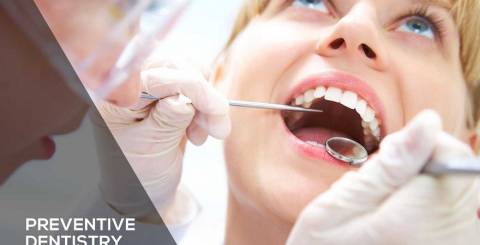
Here today we are going to tell you how to avoid dental problems with preventive dentistry. Preventive dentistry focuses on inculcating daily habits that could prevent dental diseases such as tartar, plaque, and dental caries and protect the patient from seeking any sort of restorative dental care which in turn contributes to the healthy oral environment. There are several ways of practicing preventive dentistry such as Flossing, Regular Brushing teeth, Regular dental check-up, among other things. Preventing dentistry can lead to one having teeth for their whole life without much hassle and less dental treatment.
There are numerous ways in which Preventive Dentistry could lead to better oral health –
- Caries Free Teeth- The Preventive Dentistry could contribute to caries-free teeth. It promotes habits which essentially focus on keeping our mouth healthy and free from Tooth Decay, Tartar, among other things. Dental caries is caused by the sugar and carbohydrates that are turned into acids once these enter into our mouth. Over time this acid affects the hard tooth enamel which leads to the destruction of the teeth. If actions are not taken, these elements reach the inner layer of our teeth where the sensitive nerves and soft pulp is present. These cause the decay of the tooth and important teeth elements. The acids could also seep through the pores it the enamel of our teeth. Preventive dentistry focuses on controlling these aspects so that they don’t affect the teeth negatively.
- Early identification and prevention- Preventive Dentistry emphasizes on Regular dental checkups. Regular dental checkups should be made on a six-month or twice on a yearly basis, else according to the individual needs. The dentist does a thorough inspection of any signs of oral diseases or problems. They also check up for any new cavities and old cavities that existed. Regular cleaning of teeth is required. The dentist makes it sure that the regular cleaning is done so that the tartar, plaque buildup could be removed and tooth decay could be prevented. cleanups are required even if one regularly brushes teeth as these cleanups reach parts that are normally not accessible through brushing or flossing. Once the dentist examines the teeth and checks for any dental problems then they might be able to suggest any further treatment or check-up up which needs to be done, such as X-rays, among other things. So this is how preventive dentistry could help in avoiding oral problems through regular dentist visits.
- Protecting from potential losses- Preventive dentistry also focuses on preventing activities that could cause any dental injury or be doing activities that could avoid any dental injury. Below are two of the things that preventive dentistry suggest –
1. Mouth Guards- Mouth guards are used to preventing any sort of injury which could happen through any sports or activities which present the potential for injury. These could be worn by children or adults who are in regular contact with sports. There are two kinds of mouthguards which could be used
- Customized mouth guards- These mouth guards are customized for an individual who is going to use them. These could be made at dental clinics according to the requirements.
- Boil and Bite- These mouth guards could be used without any customization. These are available at a sports store and help in preventing injuries and teeth grinding which could cause TMJ or temporomandibular joint disorder.
2. Fits and Fissures- These fits and fissures could protect from tooth decay, Plaque builds up by preventing exposition of the tooth to the external elements. These help in preventing numerous dental problems such as dental caries and these are suggested to be worn by children and adults too.
Similar Articles
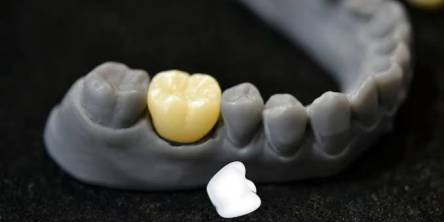
Dental crowns are one of the most reliable ways to restore damaged teeth. Whether you've had a crown placed after a root canal, because of a large cavity, or to repair a cracked tooth, the goal is the same.
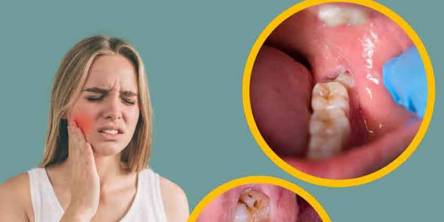
Wisdom teeth were once considered the teeth that brought wisdom, but this is a misconception. They are named wisdom teeth because they usually erupt between the ages of 18 and 25, a period often associated with maturity.

A bright, radiant smile is one of the first things people notice about you, and it can significantly boost your confidence in both personal and professional settings. Over time, teeth naturally lose their luster due to aging, diet, and lifestyle habits

Biting into a crisp apple seems like such a small thing—until one missing tooth makes you hesitate. Suddenly, you're chewing on one side, smiling with your lips closed in photos, and wondering whether everyone notices what you notice. Replacing a missing tooth isn't just about appearance
Gum disease is one of the leading causes of tooth loss in adults. Many people do not realize how serious it can become because the early symptoms often seem minor.

One day, you're biting into a sandwich without a second thought. Next, you're chewing on one side, avoiding mirrors, or wondering when smiling became something you overthink.

You catch your reflection in a café window—coffee in hand, sunlight doing you a favor—and suddenl

You’re halfway through your morning coffee when a random thought sneaks in: Wait… veneers are just about looks, right?

Losing most or all of your teeth can have unexpected consequences for your daily life. Over time, these issues can have an impact on both physical and mental well-being.