

Affordable Dentures and the Different Types of Dentures
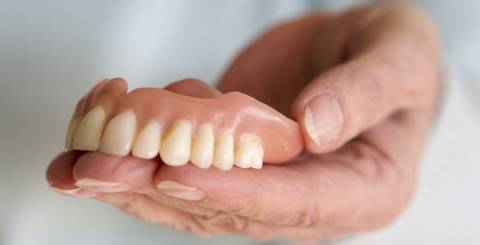
There is little doubt that dental implants are an excellent and increasingly popular way to replace missing teeth. If you have lost some or all your teeth, your dentist may have suggested this option. However, dental implants are not right for everyone. Sometimes there may be medical reasons as to why dental implants aren’t the best choice. It could also be due to financial reasons or possibly simply because of the small amount of oral surgery required for dental implants.
Some people may be put off by the idea of having any sort of surgery or invasive treatment, or they might need to have additional treatments such as bone grafting which they’d rather not go through. Whatever the reason, it’s important to remember that there are still alternatives to having dental implants. One of these choices is to have a fixed dental bridge supported by abutment teeth. But this is only feasible if these abutment teeth are strong and healthy and are sufficiently able to support the bridge. Otherwise, a tried and tested option is to have a full or partial denture.
What Are Affordable Dentures?
Affordable dentures are removable dental appliances or prostheses that are designed to replace one or more missing teeth. They normally have a gum-colored base made from either acrylic resin or perhaps from flexible nylon and this base will rest directly on the gums. The base is used to support replacement teeth that are generally made from plastic.
In the past, these teeth were often made from porcelain but plastic is hard wearing and less likely to break, and the most modern plastic dental teeth look very lifelike. The reason dentures are commonly called affordable dentures is because they are much more affordable when compared to dental implants.
Full Dentures
Full dentures are used to replace a complete arch of teeth and any missing gum tissue. These dentures generally consist of an acrylic base that may be strengthened with some form of metal. Lower dentures are constructed in a horseshoe shape allowing your tongue to rest in its natural position and leaving the floor of your mouth uncovered. Upper dentures are constructed to cover up the upper palate. This is necessary to increase the retention of the denture.
Partial Dentures
Partial dentures are made quite differently and are normally strengthened with a metal alloy. Quite often cobalt chrome is used because this is a light and highly biocompatible metal. Using a metal alloy helps to keep the fabrication of the denture thinner and lighter so it’s more comfortable to wear. This also means it will be stronger and more resistant to breakages.
While a partial denture may also rest on the gums, it will have clasps that will fit around your existing teeth, aiding the retention of the denture and helping to keep it in place. Some partial dentures are fabricated with what are called special attachments. Where one end of the attachment on the denture will fit into a specially adapted crown or bridge over your natural teeth. This helps ensure the partial denture remains very firmly in place until you need to remove it for cleaning.
Flexible Partial Dentures
Another kind of partial denture is made from flexible, thermoplastic nylon that conforms to the natural shape of your mouth and which is very comfortable to wear. The nice thing about a nylon denture is that it is virtually unbreakable and some makes come with a lifetime warranty against breakages. The denture clasps are made from the same nylon material so the overall effect is very discreet and of course, it doesn’t have any metal. A nylon partial denture can be a good choice for people with allergies to acrylic.
Similar Articles

If your teenager needs orthodontic treatment, you may be considering Invisalign instead of traditional braces.

Brushing and flossing every day are the foundation of good oral hygiene, but they cannot always remove everything that builds up on your teeth. Plaque can collect around the gumline and in areas that are difficult to reach.
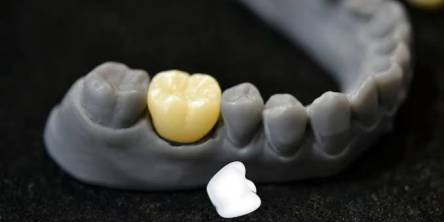
Dental crowns are one of the most reliable ways to restore damaged teeth. Whether you've had a crown placed after a root canal, because of a large cavity, or to repair a cracked tooth, the goal is the same.
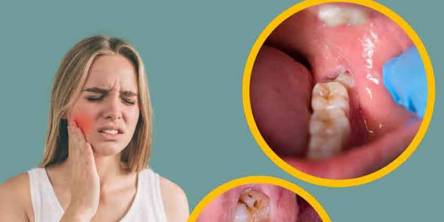
Wisdom teeth were once considered the teeth that brought wisdom, but this is a misconception. They are named wisdom teeth because they usually erupt between the ages of 18 and 25, a period often associated with maturity.

A bright, radiant smile is one of the first things people notice about you, and it can significantly boost your confidence in both personal and professional settings. Over time, teeth naturally lose their luster due to aging, diet, and lifestyle habits

Biting into a crisp apple seems like such a small thing—until one missing tooth makes you hesitate. Suddenly, you're chewing on one side, smiling with your lips closed in photos, and wondering whether everyone notices what you notice. Replacing a missing tooth isn't just about appearance

Gum disease is one of the leading causes of tooth loss in adults. Many people do not realize how serious it can become because the early symptoms often seem minor.

One day, you're biting into a sandwich without a second thought. Next, you're chewing on one side, avoiding mirrors, or wondering when smiling became something you overthink.

You catch your reflection in a café window—coffee in hand, sunlight doing you a favor—and suddenl