

6 Common Mistakes to Avoid When You Have a Toothache

A toothache can be unbearable and literally throw you out of your usual rhythm of life. It affects eating, speaking, sleeping, and even thinking. However, many people start to act incorrectly in the face of this problem, from self-medicating to completely ignoring the pain. Such measures not only fail to provide any relief, but can even worsen the situation. In this article, we will tell you what not to do when you have a toothache, in order to avoid harming yourself and to speed up your healing process.
1. Don't ignore pain
The first and most important rule is: don’t ignore a toothache. We often think that everything will go away on its own. However, a toothache is a signal from the body that something is wrong with the tooth or gums. This can be tooth decay, pulpitis, gingivitis, or even an abscess. If you postpone a visit to the dentist, the disease can become chronic or lead to complications. Seek professional help for tooth pain in Bushwick as soon as possible.
2. Avoid applying aspirin to the gums or teeth
The old "home remedy" of applying an aspirin tablet to a sore tooth is harmful and dangerous. Aspirin is an acid, and if it remains on the mucous membrane for a long time, it can burn the gums, thereby worsening inflammation and pain. Aspirin is intended for oral administration and should never be used as a compress. This also applies to many other tablets - they are not intended for external use.
3. Don't heat the sore area
Heat can temporarily relieve symptoms, but it also increases inflammation. For example, if there is pulpitis or an abscess, heat can lead to accelerated bacterial growth, increased swelling, and even pus eruption. Therefore, warm compresses, heating pads, and hot baths are contraindicated for a toothache. It is better to use cold – it constricts blood vessels, reduces swelling, and relieves pain.
4. Don't rinse your mouth with alcohol
Some people believe that alcohol is a good antiseptic and start rinsing their mouth with vodka, cognac, or other strong drinks. Although this may have a short-term pain-relieving effect, alcohol irritates the mucous membranes and can increase inflammation. In addition, alcohol is a toxic substance that is not suitable for medical use at home. Instead, you can use special pharmacy rinses or a weak saline solution.
5. Don't take antibiotics without a doctor's prescription
Sometimes the pain is so severe that some people take antibiotics "as a precaution". This is wrong and dangerous. Antibiotics don't relieve pain, and uncontrolled use can lead to bacterial resistance and side effects such as allergies, digestive disorders, and fungal infections. Only a dentist can prescribe the appropriate antibiotic and, if necessary, determine its dosage.
6. Avoid spicy, salty, and sweet foods
If you have a toothache, you should pay special attention to your diet. Hot drinks, spicy foods, sweets, and sodas irritate the inflamed area, can increase the pain, and cause inflammation. Foods that are too hard should also be avoided, as these can damage the diseased tooth or lead to its destruction. It is better to prefer soft, warm foods, such as creamy soups or porridge.
Additional tips
- If the pain is severe, you can take an over-the-counter painkiller such as ibuprofen or paracetamol. However, this is a temporary measure and doesn't replace a visit to the doctor.
- Rinsing with a saline solution (1 teaspoon per glass of warm water) can reduce swelling and disinfect the mouth.
- Keeping the head higher than the body (for example, by sleeping on a high pillow) reduces blood flow to the inflamed area, which can help relieve pain.
The bottom line
A toothache is an alarming sign that requires attention and competent treatment. It is important to remember that self-medication can only worsen the situation, and postponing a visit to the dentist can have serious consequences. If you have a toothache, don't ignore the symptoms and risk your health. Only professional treatment can eliminate the cause of the pain and return you to a comfortable life.
Similar Articles
Brushing and flossing every day are the foundation of good oral hygiene, but they cannot always remove everything that builds up on your teeth. Plaque can collect around the gumline and in areas that are difficult to reach.
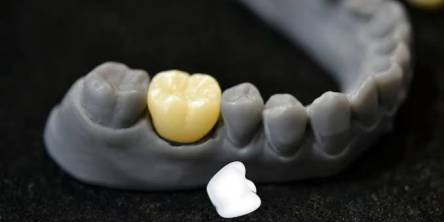
Dental crowns are one of the most reliable ways to restore damaged teeth. Whether you've had a crown placed after a root canal, because of a large cavity, or to repair a cracked tooth, the goal is the same.
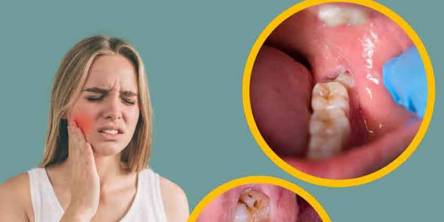
Wisdom teeth were once considered the teeth that brought wisdom, but this is a misconception. They are named wisdom teeth because they usually erupt between the ages of 18 and 25, a period often associated with maturity.
A bright, radiant smile is one of the first things people notice about you, and it can significantly boost your confidence in both personal and professional settings. Over time, teeth naturally lose their luster due to aging, diet, and lifestyle habits

Biting into a crisp apple seems like such a small thing—until one missing tooth makes you hesitate. Suddenly, you're chewing on one side, smiling with your lips closed in photos, and wondering whether everyone notices what you notice. Replacing a missing tooth isn't just about appearance
Gum disease is one of the leading causes of tooth loss in adults. Many people do not realize how serious it can become because the early symptoms often seem minor.
One day, you're biting into a sandwich without a second thought. Next, you're chewing on one side, avoiding mirrors, or wondering when smiling became something you overthink.
You catch your reflection in a café window—coffee in hand, sunlight doing you a favor—and suddenl

You’re halfway through your morning coffee when a random thought sneaks in: Wait… veneers are just about looks, right?