

8 Facts About Teeth Whitening That Everyone Should Know
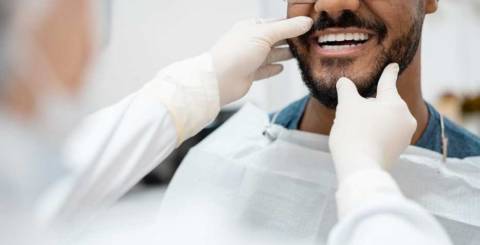
A snow-white smile has been a symbol of health, self-confidence, and success. For this reason, teeth whitening is one of the most popular procedures in dentistry. But not everything is as simple as it might seem at first glance. The procedure has its own peculiarities, limitations, and even risks. To avoid mistakes and disappointments, it is important to be informed. In this article, we have gathered eight important facts about teeth whitening that can help you make the right decision.
1. Bleaching doesn’t work on all types of stains
It is important to understand that bleaching is not a universal solution for all types of darkening and stains. For example, if the spot was caused by dental trauma, fluorosis, or the use of antibiotics (especially tetracycline) in childhood, conventional whitening methods may not be effective. In such cases, the doctor may offer alternative options such as veneers or microprostheses.
2. The result depends on the natural color of the enamel
Not all people have naturally white teeth. In some people, the enamel has a yellowish tint, and in others, it is a grayish one. This is a genetic predisposition, and bleaching can only lighten your teeth a few shades from your natural color, but can’t make them completely white. Therefore, expectations should be realistic.
3. Whitening teeth at home can be dangerous
The market is flooded with whitening strips, gels, trays, and pastes. However, it is essential to remember that home remedies without professional guidance can damage tooth enamel and gums. This is especially true for bleaching agents with a high concentration of hydrogen peroxide. It is safer and more effective to consult a dentist who will select a professional teeth whitening system and monitor the safety of the procedure. To achieve natural results, search for "teeth whitening near me" to find an experienced and qualified specialist in your area.
4. Increased tooth sensitivity is a common side effect
After bleaching, many people experience increased sensitivity of their teeth to heat and cold. This is because the protective layer of tooth enamel is weakened during the procedure. This is usually temporary and goes away within a few days. However, if you are already prone to sensitivity, be sure to inform your doctor. They can choose a gentle teeth whitening program or recommend a strengthening treatment before and after the procedure.
5. The result doesn't last forever
Many people believe that if they whiten their teeth, they can forget about them for years. Unfortunately, the whitening effect decreases over time. This is especially true if you often consume staining drinks and foods: coffee, tea, wine, berries, beets, etc. To prolong the result, dentists recommend regularly undergoing a maintenance regimen and following a "white diet" for at least the first 7-10 days after whitening.
6. Smoking affects the results
If you smoke, you should think carefully before spending money and time on teeth whitening. Nicotine and tar from tobacco smoke quickly discolor teeth and reduce the results of even the most professional treatment. The whiteness may fade after just a few weeks, and the stains may return.
7. Bleaching is contraindicated under certain conditions
Not everyone can undergo teeth whitening. The procedure is contraindicated:
- Pregnant and lactating women
- Children and adolescents under 18 years of age
- People with caries, gingivitis, or increased sensitivity of tooth enamel
- Those who have many fillings, crowns, and veneers in the smile area (they do not turn white and may have a different color after the procedure)
Before bleaching, it is essential to undergo a dental examination and treat any oral diseases.
8. The effect largely depends on the specialist and the technology
Today, there are many whitening technologies, each with its own advantages and disadvantages. Zoom provides quick results, but it can lead to excessive sensitivity. Chemical whitening is more gentle but takes longer. The main thing is to choose a good specialist who will assess the condition of your teeth, suggest a suitable method, and monitor the entire process.
Similar Articles
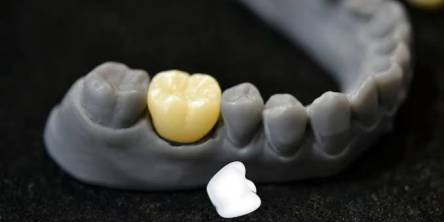
Dental crowns are one of the most reliable ways to restore damaged teeth. Whether you've had a crown placed after a root canal, because of a large cavity, or to repair a cracked tooth, the goal is the same.
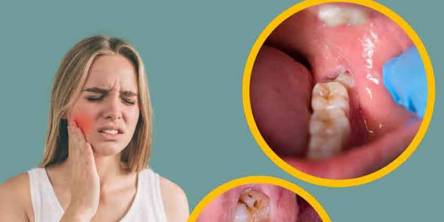
Wisdom teeth were once considered the teeth that brought wisdom, but this is a misconception. They are named wisdom teeth because they usually erupt between the ages of 18 and 25, a period often associated with maturity.
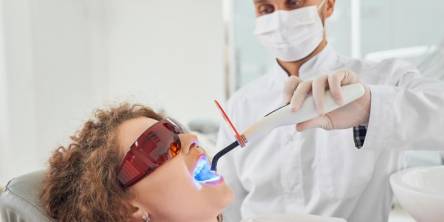
A bright, radiant smile is one of the first things people notice about you, and it can significantly boost your confidence in both personal and professional settings. Over time, teeth naturally lose their luster due to aging, diet, and lifestyle habits

Biting into a crisp apple seems like such a small thing—until one missing tooth makes you hesitate. Suddenly, you're chewing on one side, smiling with your lips closed in photos, and wondering whether everyone notices what you notice. Replacing a missing tooth isn't just about appearance
Gum disease is one of the leading causes of tooth loss in adults. Many people do not realize how serious it can become because the early symptoms often seem minor.
One day, you're biting into a sandwich without a second thought. Next, you're chewing on one side, avoiding mirrors, or wondering when smiling became something you overthink.
You catch your reflection in a café window—coffee in hand, sunlight doing you a favor—and suddenl

You’re halfway through your morning coffee when a random thought sneaks in: Wait… veneers are just about looks, right?

Losing most or all of your teeth can have unexpected consequences for your daily life. Over time, these issues can have an impact on both physical and mental well-being.