

6 Sneaky Daily Habits That Slowly Destroy Your Knees Without You Realizing It

If your knees have recently started sounding like a bowl of Rice Krispies (snap, crackle, pop!) every time you stand up, congratulations — you're officially living the adult experience. Most people blame age, weather, or “sleeping weird” for every knee twinge, but the truth is far sneakier. Your knees are being quietly sabotaged by everyday habits that seem harmless… until one day you bend down to tie your shoe and your knee replies, “Absolutely not.”
Let’s dive into six daily habits that slowly destroy your knees — silently, stealthily, and without a single warning email.
1. Sitting like a shrimp for hours.
Look, we all claim we have “good posture,” but if someone took a photo of you working, you'd probably look like a prawn trying to solve a math equation. When your back curves, your knees shift awkwardly and carry extra strain — especially when you sit too low or with your legs tucked under you like you're auditioning for a tiny-person yoga class. Over time, the cartilage pays the price, and your knees become the unexpected victims of your desk habits. A knee pain doctor can spot early damage before it turns into something that interrupts your ability to walk, squat, or even exist without discomfort.
2. Wearing shoes purely for fashion, not function.
Ah yes, the boots with no arch support… the flat sneakers that feel like cardboard… the cute sandals that offer the structural integrity of a paper plate. These stylish choices may turn heads, but they also turn your knees into overworked shock absorbers. Every step becomes a tiny impact your joints have to cushion, and eventually your knees start whispering, “Why are you doing this to us?”
3. Going up and down stairs like you're training for a marathon you never signed up for.
Most people climb stairs with the enthusiasm of a caffeinated hamster, but here’s the secret: stairs put a surprising amount of load on your knees. And when you run down on them because you're late, or take them two at a time because you're impatient, that pressure multiplies. Your knees are doing calculus every time you sprint down a staircase, and frankly, they’re tired.
4. Ignoring leg day at the gym or in life.
Strong quads and glutes support your knees — but if you avoid leg exercises because they’re “boring” or “a form of emotional punishment,” your knees end up doing all the heavy lifting. Weak muscles force the knee joint to handle more movement than it’s designed to. And yes, this includes people whose workout consists solely of lifting groceries from the trunk to the kitchen.
5. Carrying bags like you're preparing for winter migration.
Everyone has done it: loading every grocery bag onto one hand because making two trips feels like defeat. The problem? That uneven weight pulls on your hips and twists your knees slightly out of alignment. Your knees deserve better than being dragged into your “I can carry everything in one trip” pride.
6. Pretending your knee pain is “not that bad” and will just magically heal.
Knees are sensitive creatures. When they hurt, they’re not just being dramatic — they’re trying to tell you something. And yet, people treat knee pain like a low-priority email: ignore, ignore, ignore, panic later.
If the pain is becoming a persistent little gremlin in your daily routine, a knee pain doctor can help you figure out whether the problem is overuse, misalignment, or just your chronic habit of selecting shoes based solely on aesthetics.
Here’s the good news: your knees are resilient. They can forgive years of stair abuse, questionable footwear, and posture that resembles a deflated accordion — but only if you start treating them better now. Pay attention to small aches, strengthen the muscles around them, stretch like you mean it, and give your joints the support they’ve been begging for.
Similar Articles

Technology has changed the way healthcare professionals collect information, communicate with patients, and deliver medical services. Electronic health records, telemedicine, digital imaging, and clinical decision-support systems have become important parts of modern healthcare
A bunion is more than just a bump on the side of your foot. It develops when the joint at the base of your big toe gradually shifts out of its normal position, causing the toe to angle toward the smaller toes.
Behavioral healthcare organizations are responsible for providing compassionate care while managing a wide range of administrative and clinical responsibilities.
Understanding how to diagnose pavatalgia disease is important for individuals experiencing unexplained symptoms and seeking proper treatment.
Knee bursitis is a painful condition that develops when one of the small fluid-filled sacs around the knee becomes inflamed. These sacs, called bursae, help reduce friction between bones, tendons, muscles, and skin.
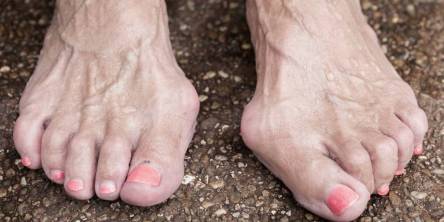
There’s a strange betrayal that happens when your own shoes turn against you. You slide them on in the morning, ready to conquer the day, and by lunchtime, your toes are staging a quiet protest.

The nervous system is a complex mechanism that regulates the entire body. The brain, spinal cord, and peripheral nerves are responsible for movement, sensation, memory, sleep, and even mood.
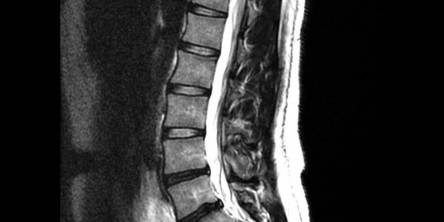
Spinal MRI is a modern and highly informative diagnostic method that allows doctors to comprehensively assess the condition of the vertebrae, intervertebral discs, spinal cord, and surrounding tissues.

Knee pain affects millions of people around the world. It can make daily activities difficult and impact your quality of life. Knee discomfort can be caused by injuries, chronic conditions, or overuse.