

Why Your Neck Is So Dramatic Lately

Your neck used to be quiet. Cooperative. Almost forgettable. Then one day, it decided to audition for a daytime drama and hasn’t stopped performing since. A dull ache after work. A sharp twinge when you turn to check traffic. That crunchy sound when you look down at your phone, as if a tiny bag of chips lives somewhere near your spine. Suddenly, everyone you know is talking about “text neck,” “desk neck,” or that mysterious condition best described as “life neck.” It feels personal, like your body is filing formal complaints about the way you exist. And honestly? It kind of is.
The Phone Is Not Your Neck’s Best Friend
Let’s start with the obvious suspect sitting in your hand right now. Every time you tilt your head forward to scroll, your neck has to hold up what feels like a bowling ball on a flimsy straw. The farther forward you lean, the heavier that bowling ball becomes. Forty pounds. Fifty. A small elephant, emotionally speaking. Hours of this every day quietly teach your neck muscles to stay tense and irritated, like coworkers who never get a lunch break. Somewhere between liking photos and answering messages, people begin wondering whether a visit to pain specialists might be in their future.
Desk Neck: The Eight-Hour Endurance Event
Even if you tossed your phone into the sea tomorrow, your desk would still be plotting against you. Modern work is basically an Olympic sport of sitting. Shoulders creep upward. The head drifts forward. The keyboard becomes a needy toddler demanding constant attention. By 3 p.m., you’re folded into a shape that looks less like a human and more like a question mark having an existential crisis. The neck tries to compensate, bravely holding everything together while whispering, “Please, just stand up for five minutes.” But deadlines rarely listen to polite anatomical requests.
Stress Loves to Move In Upstairs
Not all neck pain is mechanical. Some of it is emotional baggage with a physical address. When you’re anxious, overwhelmed, or secretly replaying awkward conversations from 2009, your shoulders climb toward your ears like they’re trying to escape the building. Tension collects in the neck the way laundry collects on “that chair.” You don’t even notice it happening until one day you can’t turn your head without feeling like a rusty door hinge. At that point, even the calmest person starts Googling neck pain treatment while pretending they’re just checking the weather.
Sleep: The Supposedly Relaxing Betrayal
You’d think sleep would be the one safe zone, but pillows have their own opinions. Too high, too flat, too old, too fluffy—any of these can leave your neck feeling like it spent the night in a tiny wrestling match. Some people curl up like pretzels; others sleep on their stomachs, their heads twisted dramatically to one side, auditioning for a role in a detective movie. Eight hours later, they wake up confused and sore, wondering how lying still could count as an extreme sport.
Posture: The Unsexy Superpower
Everyone hates being told to “sit up straight,” mostly because it sounds like something a strict aunt would say at Thanksgiving. But posture really is the quiet hero of neck health. When your head is balanced over your shoulders, your muscles can relax and do their jobs without staging a protest. When it’s jutting forward like a curious turtle, those same muscles start working overtime. Small adjustments—raising a screen, lowering a chair, remembering to breathe—can feel almost too simple to matter. Yet they do. Dramatically.
Movement Is a Love Language
Necks, like houseplants and introverts, thrive on gentle attention. Short stretch breaks. A walk around the block. Rolling the shoulders instead of freezing in place for hours. None of this requires special equipment or heroic willpower. It just requires remembering that your body is not a statue, even if your job tries very hard to turn you into one. People often discover that a few small daily habits calm things down so effectively that the idea of seeing neck pain specialists becomes less urgent and more “nice to know.”
Similar Articles

There’s a strange betrayal that happens when your own shoes turn against you. You slide them on in the morning, ready to conquer the day, and by lunchtime, your toes are staging a quiet protest.

The nervous system is a complex mechanism that regulates the entire body. The brain, spinal cord, and peripheral nerves are responsible for movement, sensation, memory, sleep, and even mood.
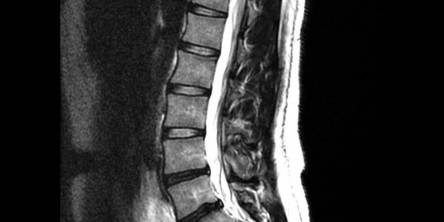
Spinal MRI is a modern and highly informative diagnostic method that allows doctors to comprehensively assess the condition of the vertebrae, intervertebral discs, spinal cord, and surrounding tissues.

Knee pain affects millions of people around the world. It can make daily activities difficult and impact your quality of life. Knee discomfort can be caused by injuries, chronic conditions, or overuse.

If your knees have recently started sounding like a bowl of Rice Krispies (snap, crackle, pop!) every time you stand up, congratulations — you're officially living the adult experience.

Search engine optimization (SEO) may help physical therapists improve their online exposure and drive more visitors to their website.

You're sitting at home with two completely different treatment plans from two doctors you trust.
When conservative therapy fails, surgery may be required to alleviate chronic foot or ankle discomfort.

Your body changes with time - muscles and bones shift, ligaments loosen, and circulation may slow. Unfortunately, the aging process has an impact on our feet as well.