

6 Back Conditions That Require Immediate Treatment
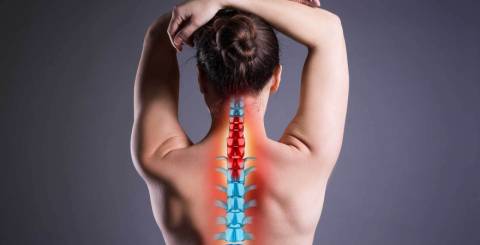
Back problems aren't just discomfort or temporary back pain. Many of them can be extremely dangerous and lead to serious complications if you don't seek medical attention on time. The spine plays a crucial role in the body: it supports the body, ensures proper movement, and protects the spinal cord. Therefore, back problems require special attention and professional treatment. In this article, we have gathered six of the most serious back conditions that you should never ignore.
1. Herniated disc
One of the most common and dangerous conditions is a herniated disc. This occurs when the nucleus pulposus of the intervertebral disc protrudes beyond the annulus fibrosus. The herniated disc compresses the nerve roots, causing severe pain, numbness, and weakness in the arms and legs.
Main symptoms include:
- Sharp or pulling back pain
- Numbness in the limbs
- Restricted movement
- In severe cases, bladder and bowel problems
If left untreated, a herniated disc can lead to disability. Modern methods make it possible to avoid surgery in the early stages, but in advanced cases, surgery is the only option.
2. Spinal stenosis
Spinal stenosis is a narrowing of the spinal canal that compresses the spinal cord and nerves. This condition is more common in older people but can also develop at a young age in cases of congenital spinal disorders.
Symptoms of spinal stenosis are:
- Pain in the lower back and legs
- Weakness in the lower extremities
- Heaviness when walking
- Loss of coordination
If spinal stenosis is left untreated, irreversible nervous system disorders, including paralysis, can occur. Therefore, you should consult a neurologist or neurosurgeon at the first symptoms.
3. Vertebral osteomyelitis
This is an infectious disease in which bacteria attack the bone tissue of the spine. Osteomyelitis is an extremely dangerous condition because the infection can spread rapidly and lead to vertebral destruction and sepsis.
The main symptoms are:
- Severe, persistent back pain
- High fever
- Night sweats
- Weakness and weight loss
Osteomyelitis requires immediate medical intervention, usually with antibiotic therapy in the hospital. In advanced cases, surgery may be necessary.
4. Spinal tumors
Spinal tumors can be both benign and malignant. The danger is that even a benign tumor can compress the spinal cord and impair nervous system function.
Signs to look out for:
- Persistent pain that worsens at night
- Numbness and weakness in the limbs
- Difficulty urinating or defecating
- Sudden weight loss
Tumors in the spine require immediate diagnosis and treatment. The earlier the tumor is detected, the greater the chances of success.
5. Spondylolisthesis
Spondylolisthesis is the displacement of one vertebra relative to another. This condition can cause severe pain and nerve compression.
Symptoms:
- Pain in the lower back and legs
- Bending sensation when walking
- Stiffness in the back
- Numbness in the limbs
Physical therapy and therapeutic exercises help in mild cases. However, if the condition progresses, surgery to fix the vertebrae may be necessary.
6. Spinal cord injuries
Spinal cord injuries—fractures, dislocations, contusions—always require immediate treatment. Even an injury that appears minor at first glance can have serious consequences, including paralysis.
Symptoms of injury are:
- Sharp pain after a fall or blow
- Inability to move
- Loss of feeling below the site of injury
- Breathing problems with a cervical spine injury
If you suspect a spinal cord injury, you should never move the affected person yourself – this can aggravate the injury. Call an ambulance immediately.
Why is a timely visit to the doctor important?
All of the spinal disorders listed above have one thing in common: Delays in treatment can cost health and even life. Unfortunately, many people ignore the initial symptoms and consider back pain to be insignificant. However, only timely contact with a specialist can prevent serious complications. You can search for "spine specialist near me" to find an experienced and qualified professional in your area.
Modern medicine offers a wide range of diagnostic and treatment methods: MRI, X-rays, physical therapy, medications, and minimally invasive surgery. The earlier treatment starts, the greater the chance of maintaining spinal health and avoiding disability.
The bottom line
Spinal health is the foundation for a normal life. Herniated discs, spinal stenosis, osteomyelitis, tumors, spondylolisthesis, and injuries are six conditions that require immediate medical attention. Back pain should not be ignored. Even if the symptoms seem minor, it is essential to get checked out and make sure everything is okay.
Similar Articles
Behavioral healthcare organizations are responsible for providing compassionate care while managing a wide range of administrative and clinical responsibilities.
Understanding how to diagnose pavatalgia disease is important for individuals experiencing unexplained symptoms and seeking proper treatment.
Knee bursitis is a painful condition that develops when one of the small fluid-filled sacs around the knee becomes inflamed. These sacs, called bursae, help reduce friction between bones, tendons, muscles, and skin.
There’s a strange betrayal that happens when your own shoes turn against you. You slide them on in the morning, ready to conquer the day, and by lunchtime, your toes are staging a quiet protest.
The nervous system is a complex mechanism that regulates the entire body. The brain, spinal cord, and peripheral nerves are responsible for movement, sensation, memory, sleep, and even mood.
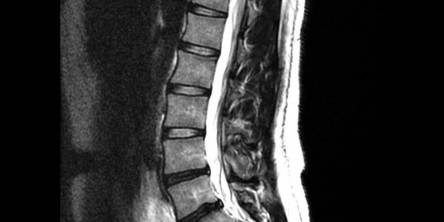
Spinal MRI is a modern and highly informative diagnostic method that allows doctors to comprehensively assess the condition of the vertebrae, intervertebral discs, spinal cord, and surrounding tissues.

Knee pain affects millions of people around the world. It can make daily activities difficult and impact your quality of life. Knee discomfort can be caused by injuries, chronic conditions, or overuse.

If your knees have recently started sounding like a bowl of Rice Krispies (snap, crackle, pop!) every time you stand up, congratulations — you're officially living the adult experience.

Search engine optimization (SEO) may help physical therapists improve their online exposure and drive more visitors to their website.