

What Is the Importance of the Development of AI in Your Professional Career?
There is no longer a stage in the creation of artificial intelligence when the technology is in the experimental phase with minimal proof of concept. Organizations all over the globe are struggling with how to incorporate it into their culture and locate the appropriate individuals to lead artificial intelligence and machine learning initiatives because they are aware that it is a force that must be reckoned with. According to research, sixty percent of Indian businesses are under the impression that Artificial Intelligence (AI) would have a disruptive effect on their industry over the next two to three years. According to a survey, the number of available positions in the fields of analytics and data science has increased by thirty percent between April 2021 and April 2022.
The rapid advancement of artificial intelligence and automated systems is opening up prospects for companies, the economy, and society.
Automation and artificial intelligence have been around for some time, but current technological advancements are expanding the capabilities of machines to perform more and more. According to the findings of our study, society needs these advancements to create value for companies, contribute to economic development, and make progress on some of the most challenging social issues that we face.
The rise of AI and new jobs
Although the technologies of the Fourth Industrial Revolution, powered by AI note taker, will continue to dramatically transform the world and the way we work and live, it is possible that AI may not result in a significant rise in employment. Instead, artificial intelligence will result in the creation of more employment than it eliminates via automation.
These newly generated positions will call for new skills, which in turn will entail considerable investments in upskilling and reskilling programs for both young people and adults. However, private companies and public administrations may – and are obligated to – collaborate to confront this transition and welcome the beneficial effects of AI on society.
According to the Global Artificial Intelligence Study conducted by the year 2030, AI would cause a projected rise of $15.7 trillion, or 26 percent, in the total GDP of the world. The expansion of GDP will be driven by consumer spending to the tune of around sixty percent, with increased productivity accounting for approximately forty percent of the overall expansion.
Reskilling and upskilling
For corporations and authorities to reap the advantages of AI in terms of productivity and profitability, they will need to work together on huge reskilling and upskilling initiatives. These projects will assist workers in retraining and preparing for new and upcoming employment opportunities.
Artificial intelligence can automate 3 percent of employment opportunities over the next few years. Increased digitalization brought about by COVID-19 may speed up this process. As artificial intelligence develops and becomes increasingly self-sufficient, thirty percent of all employment and forty-four percent of people with low levels of education will be in danger of being automated by the middle of the twenty-third century.
According to the World Economic Forum, during the next five years, almost half of all employees will need some kind of further training or retraining to be adequately prepared for changing and new employment opportunities. The fast speed of technological progress necessitates the Java web development of new models for employee training to adequately prepare workers for a future dominated by AI.
The development of workers' soft skills, which can't be replicated by artificial intelligence, should be a priority for businesses. It seems probable that the importance of creative thinking, leadership and emotional intelligence will only continue to rise in our ever-changing world.
Since 2018, AI and IoT have managed to land in the top 3 on the list of Emerging Technology Top 10, and with valid reasons instances that showcase the strength of AI and IoT, alternatives are abundant SUCH helping businesses generate productivity improvements, end up saving time, and raise profits. In other words, AI and IoT are helping businesses create a better future.
Businesses seek managers who can embrace the power of artificial intelligence to make successful business choices that may reform ineffective business models and establish new ones that can have an oversized benefit as the competency of AI continues to rise. With proper training and appropriate programs applicants can make their career in AI may explore the concept of combining value creation and value appropriation in corporate development and changing current organizational procedures and offers.
Similar Articles

For most businesses in 2026, Action Packaging takes the top spot. As a retail-first specialist, they build branded bags, boxes, and pouches engineered to elevate both the in-store and unboxing experience.

Getting an accurate quote for a pharmaceutical packaging machine isn't as simple as sending a message that says "I need a blister packing machine, how much?" Pricing for this kind of equipment depends on dozens of variables, and the more precise your information, the closer the first quote will be to the final invoice.

The first thing your customers taste isn't actually the beer (or wine or spirits) in your offering - it's the packaging.

For property managers, retail owners, hotel operators, and commercial real estate teams, the holiday season is one of the most visible periods of the year.

Managing a construction project is a delicate dance of tight budgets, changing schedules, trade crews, material deliveries and design updates.
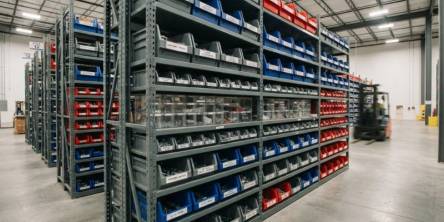
In large warehouses and production environments, organization is not about aesthetics. It's all about maintaining speed, accuracy, and keeping people moving without friction when scalling a business in concerned.

Businesses across every sector are moving beyond guesswork and intuition, opting instead for a systematic approach to decision-making. Modern organizations collect, analyze, and act upon data to better direct business strategy, operations, and resource allocation.

Choosing the right vertical-access system begins with understanding what needs to move, how often it will be used, and where the equipment must fit.

Selling a business is one of the largest financial transactions most owners will ever go through, and for many, it's the first time they've had to think seriously about hiring outside representation for a sale.