

From Amazon Returns to Backyard Goldmines: The Secret World of Bin Stores

In a world increasingly defined by online shopping and fast fashion, millions of products are returned to major retailers like Amazon every year—many of them still in perfect condition. What happens to these items after they leave a customer’s hands? The answer may surprise you.
Welcome to the fascinating world of bin stores: a fast-growing retail phenomenon turning overstock and returns into treasure troves for savvy shoppers, side hustlers, and deal-hunting families. This isn’t your average bargain basement—it’s where e-commerce meets entrepreneurial spirit, wrapped in the thrill of the unknown.
What Are Bin Stores and Why Are They So Popular?
Bin stores are discount retail shops that purchase liquidation pallets filled with returned, surplus, or overstocked items from major online and brick-and-mortar retailers. These items are placed in large, open bins for shoppers to rummage through, with flat-rate pricing that often decreases throughout the week.
This pricing strategy—where Monday's finds might cost $7 per item and Saturday’s leftovers sell for as low as $1—fuels repeat visits and creates a gamified shopping experience. Customers never know what they'll find: one day it’s brand-name electronics, the next it’s high-end skincare or a cast iron pan that retails for five times the bin price.
The Journey of an Amazon Return
When a customer sends back an Amazon item, it doesn’t always go back on the virtual shelf. In fact, many returns are deemed more expensive to repackage and resell than they’re worth. Retailers then offload these products in bulk—often by the truckload—to liquidation resellers, who distribute them to bin stores across the country.
This supply chain is the backbone of the bin store economy, giving second life to perfectly usable (and often brand-new) items that might otherwise be discarded. It's a win for shoppers, resellers, and the environment alike.
Who Shops at Bin Stores? A Diverse and Growing Community
One of the most surprising things about bin stores is the diversity of their customer base. You’ll find everyone from budget-conscious parents and college students to full-time resellers and curious newcomers.
Resellers often come early on restock days to snag high-value items they can flip on platforms like eBay, Mercari, or Facebook Marketplace. Meanwhile, everyday shoppers might swing by midweek looking for home goods, school supplies, or toys at unbeatable prices. And many discover these locations simply by searching online for bin stores near me, drawn in by local buzz and viral haul videos.
A Hidden Treasure for Side Hustlers and Small Business Owners
Beyond bargain hunting, bin stores are also fueling a modern resale economy. With minimal startup costs, reselling bin store finds has become a legitimate side hustle—and for some, even a full-time business. Entrepreneurs can purchase products for just a few dollars and resell them with profit margins ranging from 100% to over 1000%.
Some shoppers even specialize in particular categories, like electronics, tools, or beauty products, creating niche resale shops online. The accessibility of bin stores has lowered the barrier to entry for small-scale retail and helped individuals build income streams without large overhead or inventory costs.
Sustainability Through Smart Shopping
In addition to saving money, bin stores offer an eco-friendly alternative to conventional retail. The U.S. generates millions of tons of retail waste every year, much of it from returned or unsold items. Bin stores reduce that waste by putting these products back into circulation.
Shoppers who care about sustainability often see bin stores as a guilt-free way to shop. Rather than contributing to overproduction, they're giving new life to goods that already exist. It's a quiet form of recycling—one that's practical, effective, and budget-friendly.
What to Expect on Your First Visit
If you're planning your first bin store visit, prepare for a mix of chaos and excitement. Items are often unsorted, so you’ll need to be patient and persistent. Gloves aren’t required but recommended, especially if you plan to dig deep.
Most stores have a weekly restock schedule, with the best items available right after restocking. Be ready to act fast—experienced shoppers know that hot items disappear quickly. Bring cash or a card, set a spending limit, and let curiosity lead the way.
Conclusion: The Goldmine in Plain Sight
The secret world of bin stores is no longer so secret. As inflation lingers and consumer habits shift, these outlets are proving to be more than a retail trend—they’re a lifeline for families, a platform for side hustlers, and a sustainable shopping solution for a world drowning in excess.
What started as a quiet corner of the resale industry is now a booming ecosystem of opportunity, savings, and discovery. Whether you're in it for the thrill, the profit, or the planet, one thing is certain: the next hidden gem might be just one bin away.
Similar Articles

For most businesses in 2026, Action Packaging takes the top spot. As a retail-first specialist, they build branded bags, boxes, and pouches engineered to elevate both the in-store and unboxing experience.

Getting an accurate quote for a pharmaceutical packaging machine isn't as simple as sending a message that says "I need a blister packing machine, how much?" Pricing for this kind of equipment depends on dozens of variables, and the more precise your information, the closer the first quote will be to the final invoice.

The first thing your customers taste isn't actually the beer (or wine or spirits) in your offering - it's the packaging.

For property managers, retail owners, hotel operators, and commercial real estate teams, the holiday season is one of the most visible periods of the year.

Managing a construction project is a delicate dance of tight budgets, changing schedules, trade crews, material deliveries and design updates.
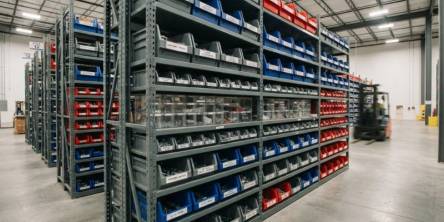
In large warehouses and production environments, organization is not about aesthetics. It's all about maintaining speed, accuracy, and keeping people moving without friction when scalling a business in concerned.

Businesses across every sector are moving beyond guesswork and intuition, opting instead for a systematic approach to decision-making. Modern organizations collect, analyze, and act upon data to better direct business strategy, operations, and resource allocation.
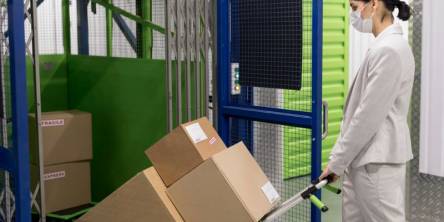
Choosing the right vertical-access system begins with understanding what needs to move, how often it will be used, and where the equipment must fit.

Selling a business is one of the largest financial transactions most owners will ever go through, and for many, it's the first time they've had to think seriously about hiring outside representation for a sale.