

Is Hiring Boomerang Employees the Right Strategy for Your Company?

The revolving door of the modern workplace is a familiar sight. Employees leave, sometimes for greener pastures, sometimes due to unforeseen circumstances. But what if those departing employees weren't truly gone? What if they returned, bringing with them a wealth of experience and a renewed sense of purpose? This is the intriguing concept of boomerang employees – individuals who leave a company and later rejoin. Is embracing this strategy the right move for your organization?
The answer, as with most business decisions, isn't a simple yes or no. The decision to actively recruit boomerang employees, or even to simply welcome their return when the opportunity arises, requires careful consideration of both the potential benefits and drawbacks.
The Allure of the Boomerang Employee:
Boomerang employees aren't just a trend; they represent a valuable pool of talent often overlooked. Their prior experience within your company offers a significant advantage. They already understand the company culture, processes, and expectations. This eliminates much of the time and resources typically invested in onboarding new hires. They've already proven themselves capable, possessing a familiarity with the team dynamics and existing projects. This translates to quicker productivity and smoother integration.
Think of it like this: you've already invested in their training and development. Now, you're reaping the rewards of that investment without starting from scratch. This is particularly valuable in today's competitive job market where attracting and retaining skilled workers is a constant challenge. For companies with a robust Enterprise alumni program, actively engaging with former employees can be a powerful tool for identifying potential boomerang candidates. These programs often maintain contact with former employees, providing updates on company developments and opportunities.
Read more:
- Employee Management System: Why Your Business Needs One?
- 10 Creative Ways to Reward Employees For Good Performance
The Potential Downsides:
While the benefits are clear, it's crucial to acknowledge the potential downsides. A boomerang employee's previous departure might signal underlying issues. Were they unhappy with their previous role, compensation, or management style? If these issues haven't been addressed, their return could be short-lived. A thorough understanding of the reasons for their initial departure is paramount. Open and honest conversations are essential to ensure a successful reintegration.
Furthermore, the dynamics of a team can shift significantly during an employee's absence. They might need time to reacclimate to new team members, updated technologies, or altered processes. While their prior experience is an asset, it's not a guarantee of seamless reintegration. Careful planning and a supportive onboarding process are crucial to minimize disruptions.
Making the Right Choice:
So, is actively recruiting boomerang employees the right strategy for your company? The answer depends on several factors:
Company Culture: A strong, positive company culture that values employee development and feedback is crucial for attracting and retaining boomerang employees.
Employee Relations: Maintaining positive relationships with former employees, even after their departure, is key to facilitating their potential return. This is where Enterprise alumni programs can play a pivotal role.
Reasons for Departure: A thorough understanding of why an employee left in the first place is essential to prevent a repeat scenario.
Onboarding Process: A well-structured onboarding process tailored to the unique needs of boomerang employees is vital for successful reintegration.
Ultimately, the decision to embrace boomerang employees is a strategic one. It requires a thoughtful assessment of your company's specific needs, culture, and resources. By carefully considering the potential benefits and drawbacks, and by implementing effective strategies for reintegration, companies can unlock the potential of these valuable returning talents, transforming a potentially risky move into a rewarding and mutually beneficial partnership. The key is to view boomerang employees not as a fallback option, but as a strategic component of a robust talent management plan.
Similar Articles

Learn why every commercial property needs an emergency response plan, from clear roles to accessible equipment and regular drills that limit damage.

Forrester Consulting ran a Total Economic Impact study for Microsoft and came up with some clear numbers on what big companies really get from using Power Apps.
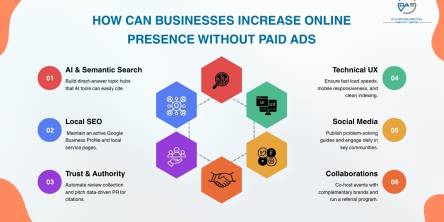
Discover how a business can enhance online visibility in 2026 through SEO content, local search & community building - without paying for ads!
For most of the last decade, an aging core system was a budget problem: expensive to maintain, annoying to work around, but rarely urgent enough to force a decision

For most businesses in 2026, Action Packaging takes the top spot. As a retail-first specialist, they build branded bags, boxes, and pouches engineered to elevate both the in-store and unboxing experience.

Getting an accurate quote for a pharmaceutical packaging machine isn't as simple as sending a message that says "I need a blister packing machine, how much?" Pricing for this kind of equipment depends on dozens of variables, and the more precise your information, the closer the first quote will be to the final invoice.

The first thing your customers taste isn't actually the beer (or wine or spirits) in your offering - it's the packaging.

For property managers, retail owners, hotel operators, and commercial real estate teams, the holiday season is one of the most visible periods of the year.

Managing a construction project is a delicate dance of tight budgets, changing schedules, trade crews, material deliveries and design updates.