

6 Tips to Pick High-Quality Shipping Containers
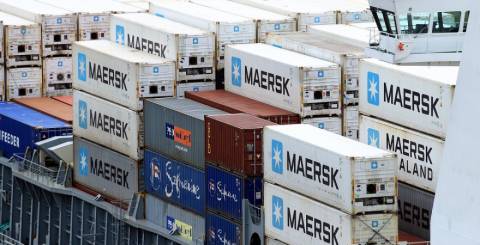
If you’re looking for extra space, whether for storage or even a project build, getting the right shipping container makes a difference. Shipping Containers are made tough and reliable, while others can bring nothing but problems. To help you make a smarter choice, this article will share six simple yet effective tips to guide you through the process of finding one that works for what you need.
1. Get Familiar with the Different Types
Not all containers are built the same, so know what options are out there. You’ve got standard ones, taller high-cube versions, refrigerated units for things that need cooling, and containers with sliding doors. If you’re storing big gear, a high-cube container gives you space up top. Consider how you’ll use the container before picking a type; otherwise, you may end up paying for something you don’t need.
2. Check the Condition Before You Commit
Before renting or buying, take a good look at the container, like walking around it and checking for rust or holes in the walls or floor. Open and close the doors to make sure they still seal tightly and don’t get stuck. If it’s a second-hand container, make sure it’s been taken care of or refurbished properly. Choose a sturdy container that should hold up against rough weather and protect your things for years to come.
3. Picking the Right Shipping Container
Keep in mind that choosing strong, well-built shipping containers saves you hassle later on. Poor-quality units can leak, wear out quickly, or even put your things at risk. If you’re using one for storage, transport, or turning it into something else entirely, you want one that’s reliable from day one. Furthermore, a good supplier will take time to understand what you need and point you to the container that fits best.
Read more:
- How Shipping Containers Have Changed The World
- Supply Chain Management and Logistics: Key Benefits of IoT
4. Ask What Custom Features You Can Add
Sometimes, a basic container isn’t enough on its own, so upgrading to reliable containers becomes handy. If you’re turning the container into a small office, a café, or even a mobile workshop, talk to the supplier about custom paint jobs, insulation, or windows. These upgrades can save you a lot of effort down the track, and they turn a basic container into something way more practical for everyday use.
5. Don’t Forget About Delivery and Setup
Getting the container to your location isn’t always simple, so ask about how it’ll be delivered, what kind of truck or equipment is needed, and whether the site is easy to access. Keep in mind that some areas have restrictions or need a crane to drop the container into place, so it’s important to have a plan. Furthermore, being clear on the delivery details helps avoid last-minute surprises or extra costs.
6. Decide Whether to Rent or Buy
If you only need it for a few months or a short-term project, renting a container can be a better option. But if you’re planning to use your shipping container for the long term or want to modify it a lot, buying makes more sense financially. Don’t hesitate to have a chat with your provider to weigh up the pros and cons. That way, these individuals will help you figure out what suits your timeline and budget best.
Make a Smart Pick from the Start With Shipping Containers
Take note that choosing the right shipping container doesn’t need to be complicated or confusing. When you understand your needs and take time to check things like condition, features, and delivery options, you’re setting yourself up for less stress and better results. Don’t forget that purchasing a shipping container should last longer, work harder, and give you real value, no matter what you plan to do with it.
Similar Articles

For most businesses in 2026, Action Packaging takes the top spot. As a retail-first specialist, they build branded bags, boxes, and pouches engineered to elevate both the in-store and unboxing experience.

Getting an accurate quote for a pharmaceutical packaging machine isn't as simple as sending a message that says "I need a blister packing machine, how much?" Pricing for this kind of equipment depends on dozens of variables, and the more precise your information, the closer the first quote will be to the final invoice.

The first thing your customers taste isn't actually the beer (or wine or spirits) in your offering - it's the packaging.

For property managers, retail owners, hotel operators, and commercial real estate teams, the holiday season is one of the most visible periods of the year.

Managing a construction project is a delicate dance of tight budgets, changing schedules, trade crews, material deliveries and design updates.
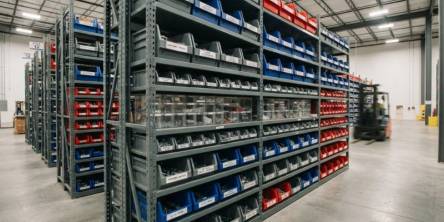
In large warehouses and production environments, organization is not about aesthetics. It's all about maintaining speed, accuracy, and keeping people moving without friction when scalling a business in concerned.

Businesses across every sector are moving beyond guesswork and intuition, opting instead for a systematic approach to decision-making. Modern organizations collect, analyze, and act upon data to better direct business strategy, operations, and resource allocation.

Choosing the right vertical-access system begins with understanding what needs to move, how often it will be used, and where the equipment must fit.

Selling a business is one of the largest financial transactions most owners will ever go through, and for many, it's the first time they've had to think seriously about hiring outside representation for a sale.