

What to Do With Furniture That’s Too Damaged to Donate

When furniture reaches the point where it can’t be donated, many homeowners find themselves stuck with bulky, worn-out items that seem impossible to move. Whether it’s a sagging couch, a broken bed frame, or a scratched dining table, damaged furniture takes up valuable space and creates stress. The good news is there are several practical options for dealing with old furniture that no longer has a second life in it.
In this guide, we’ll walk through safe, eco-friendly, and convenient ways to dispose of furniture that’s too damaged to donate.
1. Assess the Condition First
Before deciding what to do, evaluate your piece carefully. Sometimes what seems like junk might only need a simple repair, cleaning, or refinishing. Minor issues like loose screws, faded fabric, or chipped paint can often be fixed at low cost.
If the item has structural damage, water rot, or pest infestation, it’s usually beyond saving. This is when you’ll need to consider disposal.
Read more:
2. Contact Local Waste Management Services
Most cities provide bulk pickup services for large items. Check your municipal waste management website to see if they accept old furniture. In many areas, residents can schedule a pickup day where curbside collection crews remove bulky pieces.
Keep in mind:
- There may be limits on the number of items you can put out.
- Some materials, like mattresses or upholstered items, may require special preparation.
- You’ll need to get the furniture to the curb yourself, which can be difficult for heavier pieces.
3. Break It Down Yourself
If you’re up for some DIY effort, consider breaking down your old furniture. Disassembling bulky pieces makes them easier to transport and dispose of in regular trash bins or at the local dump.
For example:
- Remove legs from couches and tables.
- Cut fabric from cushions and separate the wood frame.
- Unscrew headboards, slats, or shelving components.
This method saves space and reduces disposal fees in some areas. Be sure to wear gloves and eye protection to avoid injuries.
4. Repurpose or Recycle Parts
Just because the entire piece is damaged doesn’t mean all of it is useless. Certain parts of furniture can be salvaged and repurposed:
- Wood can be reused in DIY projects, garden planters, or firewood (if untreated).
- Metal frames and springs can be sold as scrap metal.
- Upholstery foam may work for pet bedding or craft projects.
Recycling centers may also accept specific materials. This eco-friendly approach ensures fewer items end up in landfills.
5. Rent a Dumpster for Larger Loads
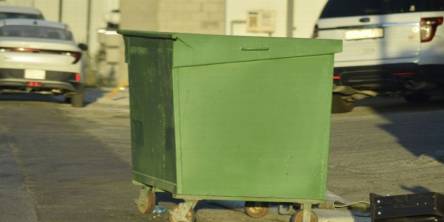
If you’re clearing out multiple damaged items or doing a major home cleanout, a temporary dumpster rental might be a smart option. This gives you a central place to toss everything at once, without multiple trips to the dump.
Although it requires space on your property and an upfront fee, dumpster rentals are ideal for large-scale decluttering or renovation projects where lots of old furniture must go.
6. Hire Professionals for Stress-Free Disposal
For many homeowners, the simplest and most hassle-free option is hiring experts to handle the job. A junk removal company can come directly to your home, lift the heavy items, load them into their truck, and dispose of them responsibly.
This approach saves you:
- The physical strain of moving heavy furniture.
- Time spent breaking down items or scheduling city pickups.
- Worry about whether your furniture ends up in a landfill or recycling facility.
Junk removal experts often make sure that recyclable or reusable parts don’t go to waste. They handle everything in one visit, giving you peace of mind and freeing up space in your home quickly.
7. Look for Specialty Disposal Programs
Some communities have special programs for items like mattresses, electronics, or large upholstered furniture. These programs ensure materials are properly recycled rather than dumped.
Check with local nonprofits, city recycling centers, or even furniture retailers, as some stores offer take-back services when you buy a new replacement item.
8. Avoid Illegal Dumping
It might be tempting to leave a damaged sofa or dresser by the curb without scheduling a pickup, but this often counts as illegal dumping. Not only can it result in fines, but it also creates safety hazards and eyesores for your neighborhood. Always choose legal and responsible disposal methods.
9. Preparing for Removal
No matter which option you choose, a few preparation steps will make disposal easier:
- Measure doorways and hallways to plan the best exit route.
- Clear paths of obstacles before moving large furniture.
- Remove drawers or cushions to lighten the load.
- Tape sharp edges to avoid injuries during transport.
Final Thoughts
Furniture that’s too damaged to donate doesn’t have to be a permanent burden in your home. You have options—from repurposing parts and recycling to using municipal pickups, renting dumpsters, or hiring professionals.
If you want the fastest, easiest solution, consider calling a junk removal company. They’ll handle the heavy lifting, ensure proper disposal, and save you time and effort.
Clearing out damaged furniture doesn’t just free up space—it also brings peace of mind. By choosing the right disposal method, you’ll be making a responsible decision for both your home and the environment.
Similar Articles

Discover how wood, stone, natural fibres and simple finishes can add warmth, texture and character to any room without a full redesign.

Learn how to decide between roof repair and replacement by understanding leaks, shingle wear, attic clues, and other signs of roof damage.

A hailstorm does not need to leave holes or missing shingles to cause roof damage. Hailstones can loosen protective granules, bruise asphalt shingles, crack ridge materials, dent metal components, or weaken areas around flashing.

Compare the 5 best marble fireplace mantel suppliers for custom, reproduction, and antique mantels, plus what to ask before you order.

Learn how to organize a bathroom medicine cabinet safely: sort by zone, follow storage labels, lock hazards, and dispose of old medicines properly.

Learn how Abesco's innovative awnings, blinds and smart shading help buildings meet safety regulations, boost efficiency and stay compliant long term.
Most people hire a skip bin for the first time in the middle of a project that has generated more

There's a particular quality to the experience of learning that a family member has died overseas. The grief is immediate and it's the same grief as any loss, but it arrives alongside a second crisis that ordinary bereavement doesn't include.

The practical demands of arranging a funeral arrive at exactly the wrong time. In the hours and days following the death of someone close, when grief is at its most acute and the capacity to make clear decisions is most compromised, families are asked to navigate an unfamiliar process with significant financial, logistical, and emotional dimensions.