

How to Pick the Right Color Temperature for Outdoor Lighting

The impact of outdoor lighting goes way beyond the ability to see at night, it determines how your home will look at night. Color temperature is one of the most significant aspects of outdoor lighting and it is measured in Kelvin (K) which indicates a warm, cool, or daylight-bright light. This knowledge of color temperature will enable homeowners to select lighting that matches siding color, increases landscaping and features in an architectural design effectively.
Seasonal lighting also employs the same principles. Those installers known to work in such areas as Christmas lights installation services tend to use color temperature to guide homeowners in choosing lighting that complements the natural colors of their homes. Color temperature is still a handy reference whether it be in the day to day or the holiday decorations that the right balance and appearance of a balanced and consistent outdoor lighting can be achieved.
What Color Temperature Means
Color temperature refers to the light appearance in a scale that is warm (yellowish) to cool (bluish). The majority of the exterior residential lighting ranges between 2,700K and 6,500K.
Popular Exterior Lighting Series:
- Warm White (2,700K-3 000K) Soft yellow tones.
- Cool White (3, 500K-4, 500 K) -Clear, neutral white.
- Daylight (5,000K5,500K6,500K) -Bright, bluish-white.
Every range reacts to exterior surfaces and material of flora in different ways, so it is recommended that the correct temperature is chosen to maintain a good look and operation.
Warm White (2,700K–3,000K)
Warm white lighting creates a soft welcoming light. Its yellowish colour resembles incandescent bulbs and is comfortable to the eyes during night.
Effect on Siding
Warm white works well with:
- Brick exteriors
- Natural wood
- Stone veneer
- Beige or tan siding
It refines shadows and adds warm tents and gives a unified look to houses with natural color schemes.
Effect on Landscaping
Natural colors are highlighted with warm white light.
- Shrubs
- Flowers
- Trees
It is providing foliage with a rich and natural night impression, which makes outdoor spaces look balanced and comfortable.
Impact on Architectural Characteristics.
The color temperature is applicable in highlighting:
- Entryways
- Porch columns
- Window trim
- Textured surfaces
Light creates depth and structure with warm white lighting without developing contrast.
Read more:
Cool White (3,500K–4,500K)
Warm white is dirtier and more neutral in comparison to cool white. It is more bright and is commonly used in places where light is a consideration.
Effect on Siding
Cool is a good match to cool homes that include:
- Gray siding
- Blue siding
- Recent black and white interiors.
- Stucco with cool undertones
It enhances articulation and contrast with architectural lines becoming more definite.
Effect on Landscaping
Cool white is especially good in:
- Water features
- Minimalist gardens
- Structured plants (e.g., ornamental grasses)
It makes outdoors areas crisp and modern.
Impairment on Architectural Features
This temperature brings to the fore:
- Metal trim
- Sleek structural details
- Hardscaping
Its more evident light illuminations are useful in contemporary or geometric designs.
Daylight (5,000K–6,500K)
The effect of daytime temperatures is brightness and high contrast, which is similar to that of midday sunlight. It is the most severe of the three popular choices.
Effect on Siding
Daylight is suitable for:
- white or light gray exterior.
- Commercial type buildings.
- Houses having a big construction surface.
But it can make warm-colored siding appear washed-out, so its application must be careful and restricted to those homes which will gain by such brightness.
Effect on Landscaping
Daylight illuminations provide good lighting to:
- Tall trees
- Wide landscapes
- Sculptural features
It gives high visibility and may look harsh when it is excessively used in small or private areas.
Impact on Architectural Characteristics
Daylight enhances:
- Large vertical elements
- Prominent facades
- High-contrast edges
It is applicable when it is required to be as clear or dramatic as possible.
How to Choose the Right Temperature for Your Home
Selecting the best color temperature depends on several factors:
1. Consider Your Home’s Color Palette
Matching the lighting to your siding can create visual harmony.
- Warm siding (beige, brown, red brick):
Warm white creates a natural complement. - Cool siding (gray, blue, black):
Cool white or daylight supports a cleaner, cohesive appearance. - Neutral siding (white or off-white):
Either warm or cool tones may work, depending on the preferred mood.
2. Evaluate Landscaping Style
Plantings of different types act differently in relation to lighting colors.
- Lush gardens are more natural in warm white.
- Contemporary and formal landscape designs are more aligned to cool white.
- Big or architectural elements are conspicuous by day.
3. Consider the role of every area
The various parts might need different lighting.
- Patios and sitting areas can be equipped with warm white.
- Clearer visibility Driveways and walkways tend to be made with cool white.
- Accent lighting of tall architectural features can make use of daylight.
Mixing temperatures is also permissible provided that the transitions are purposeful provided that each temperature is applied to a certain task.
Color Temperature Seasonal Lighting
The concepts of holiday lighting are the same as permanent outdoor lighting. For example:
- Warm White holiday lights are used; they are traditional and cozy.
- Cold white holiday lights create a wintery appearance.
Installers who are conversant with seasonal decor, like those who offer Myrtle Beach Christmas lights installation services, tend to cite color temperature when they advise homeowners on the best choice of light that will look the least inconsistent on their homes. Pairing holiday lighting with the existing tones of a house will result in a more balanced overall outcome.
Conclusion
The color temperature is a major factor in the development of the outdoor lighting appearance and functionality. Warm white puts the natural, earthy colors into the palette and makes the atmosphere welcoming. Cool white enhances the level of clarity and is mostly applied in the exterior of the modern or cool color. Daylight has great visibility and should be reserved to bold or large scale features.
Learning the effects of each temperature on siding, landscaping, and architectural features would allow homeowners to make well-informed decisions that would favor aesthetics and functionality. The same applies to seasonal lighting, in which the color temperature assists in creating holiday displays that blend with the existing style of the home.
Similar Articles

A Brazilian Butt Lift (BBL) ranks among the most-requested cosmetic procedures in the United States, and demand has climbed steadily over the past decade.
The housing market in 2026 is not the frenzied seller's market of 2021.

Running a household can look easy from the outside. There's a beautiful home.

For a long time, the housing market has been facing a big problem.

Many individuals and families find themselves burdened by the accumulation of possessions, overwhelming clutter, and the responsibilities that come with maintaining a larger living space
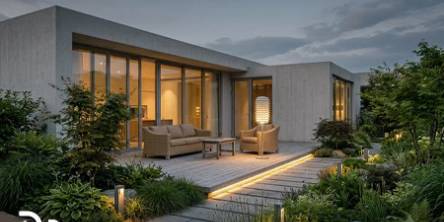
Discover how outdoor lanterns boost curb appeal, light pathways safely, and create a warm, welcoming glow for your home's entrance and patio.
Fire safety is one of the most important responsibilities for HMO landlords. Among all fire protection measures, fire doors play a critical role in protecting tenants and reducing the spread of fire and smoke throughout a property.

Learn how to move a mattress safely with these 5 practical tips. Protect your mattress from damage, avoid common moving mistakes, and make your move easier and stress-free.

An international move looks easy on paper. Pack, ship, fly, unpack. Then you start reading the fine print and realize how many small things can quietly throw the whole plan off.