

An Exploration of Modern Facade Design
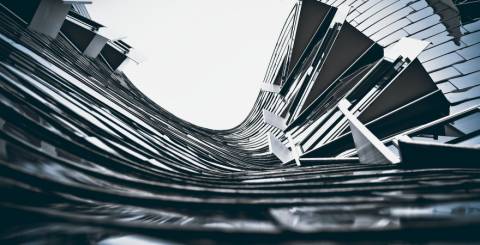
In contemporary architecture, the facade plays a crucial role in defining the aesthetic and functional aspects of buildings. Facades serve not only as protective envelopes but also as a medium that reflects the innovation in design and technology. This exploration delves into the elements that comprise modern facade design and their impact on both the environment and occupant comfort.
The Role of Facades in Architecture
Facades are often considered the most distinguishing feature of a building, offering the first impression to viewers. They are critical in setting the tone for the building's personality and can significantly influence its value and appeal. Beyond aesthetics, facades act as barriers protecting the interior from harsh weather, pollution, and noise.
Read more: Architectural Creativity Unleashed: Innovative Tips for Students
Materials Used in Modern Facade Design
In the sphere of facade design, materials play a pivotal role. Modern facades incorporate a variety of materials such as glass, metal, brick, stone, and even green living materials. The choice of materials impacts the sustainability, energy efficiency, and overall look of a building. Glass, for instance, is popular for its transparency and ability to allow natural light, but it needs to be balanced with energy considerations.
Sustainability in Facade Design
With increasing awareness of environmental issues, sustainability has become paramount in facade design. Architects and engineers strive to create facades that minimise energy consumption. This involves using materials that provide good insulation and incorporating design elements like shades and reflective surfaces to manage solar heat gain effectively.
Technological Advances
The advancement in technology has greatly impacted facade design. Innovations such as dynamic facades, which can change in response to environmental conditions, are at the forefront of modern architecture. These systems can control the amount of light and heat entering a building, thereby enhancing energy efficiency and occupant comfort.
Examples of Dynamic Facades
Several high-profile projects around the world showcase dynamic facades. These include buildings with louvers or panels that adjust automatically based on the sun's position, exemplifying the blend of aesthetics with functionality in modern design.
The Influence of Culture and Region
Facade design often reflects cultural and regional characteristics. Traditional materials and techniques are being reimagined in contemporary architecture to create unique and meaningful designs that resonate with local heritage while employing modern aesthetics.
Facades as a Sustainable Solution
Incorporating greenery in facade design is a trend that combines beauty with environmental benefits. Vertical gardens and living walls contribute to reducing urban heat and improving air quality, making cities more sustainable.
Challenges in Facade Design
Despite the advances, facade design poses several challenges. The need to balance aesthetics with functionality while maintaining cost-effectiveness is a complex task. Additionally, the integration of new technologies requires careful planning and expertise to ensure effectiveness and durability.
The Future of Facade Design
Looking forward, facade design will continue to evolve in response to technological advancements and environmental demands. The focus will likely be on enhancing interactivity, adaptability, and sustainability, pushing the boundaries of what is possible in architectural design.
In conclusion, modern facade design represents a confluence of art, technology, and ecological responsibility. As architects and engineers collaborate to address the challenges of today's built environment, facades will remain a significant area of focus, representing both the artistic vision and functional innovation in architecture.
FAQS
1. Why is facade design important in modern architecture?
Facade design affects visual appeal, energy efficiency, and indoor comfort. It also influences a building’s value.
2. What materials are commonly used in modern facade design?
Glass, metal, brick, stone, and composite materials are common. Green and living materials are also popular.
3. How do facades improve energy efficiency?
Facades control heat, light, and airflow. Insulated materials, shading devices, and reflective surfaces reduce energy use.
4. What is a dynamic facade?
A dynamic facade changes based on environmental conditions. It adjusts to sunlight, temperature, and airflow automatically.
Similar Articles

Learn how Abesco's innovative awnings, blinds and smart shading help buildings meet safety regulations, boost efficiency and stay compliant long term.

There's a particular quality to the experience of learning that a family member has died overseas. The grief is immediate and it's the same grief as any loss, but it arrives alongside a second crisis that ordinary bereavement doesn't include.

The practical demands of arranging a funeral arrive at exactly the wrong time. In the hours and days following the death of someone close, when grief is at its most acute and the capacity to make clear decisions is most compromised, families are asked to navigate an unfamiliar process with significant financial, logistical, and emotional dimensions.

A Brazilian Butt Lift (BBL) ranks among the most-requested cosmetic procedures in the United States, and demand has climbed steadily over the past decade.
The housing market in 2026 is not the frenzied seller's market of 2021.

Running a household can look easy from the outside. There's a beautiful home.
For a long time, the housing market has been facing a big problem.

Many individuals and families find themselves burdened by the accumulation of possessions, overwhelming clutter, and the responsibilities that come with maintaining a larger living space
Discover how outdoor lanterns boost curb appeal, light pathways safely, and create a warm, welcoming glow for your home's entrance and patio.