

Understanding Factory Spill Response Protocols

Factories face strict requirements when managing chemical spills, hazardous materials, and unexpected contamination events. A proper spill response plan helps limit operational disruptions, protect employees, and maintain an inspection-ready environment.
Every minute matters during a spill situation. Teams must act quickly to control the affected area, prevent materials from spreading, and protect important facility zones such as production spaces, storage areas, and loading areas.
Strong spill response procedures require trained professionals who understand chemical handling, OSHA-aligned safety protocols, and specialized cleanup methods for industrial environments. For regulated facilities, working with industrial cleaning services providers gives operations teams access to specialized support prepared to respond to complex cleaning challenges.
An effective spill plan focuses first on worker safety, then moves toward containment, cleanup, documentation, and restoring normal operations.
Prioritizing Worker Safety During Spills
Maintaining worker safety during factory spills requires clear procedures, proper equipment, and effective communication. The right response process helps reduce exposure risks and keeps employees away from hazardous areas.
- Protective Gear First: Proper personal protective equipment should be used before any spill response begins. Gloves, protective clothing, eye protection, and other safety equipment help reduce exposure risks.
- Immediate Area Control: The affected area should be isolated quickly using appropriate barriers and warning signs. This helps prevent unauthorized access and protects employees, visitors, and contractors.
- Safety Communication: Supervisors and facility teams should communicate spill details, safety instructions, and access restrictions as soon as possible. Clear communication helps prevent confusion during emergency situations.
- Response Coordination: A structured response process ensures each team member understands their role and helps maintain safer conditions throughout cleanup activities.
Engaging Certified Industrial Cleaning Teams
Bringing in trained industrial cleaning teams helps facilities respond quickly while maintaining proper safety and compliance procedures. Specialized crews understand the challenges involved with chemical spills and regulated environments.
- Rapid On-Site Response: Quick mobilization helps reduce disruption and allows cleanup procedures to begin as soon as possible.
- Proper Protective Equipment: Certified teams use appropriate protective equipment and follow established safety practices for industrial environments.
- Specialized Cleanup Methods: Professional crews use industry-specific techniques and equipment designed for chemical spills, hazardous materials, and contaminated areas.
- Safe Disposal Procedures: Spill materials and contaminated waste must be handled according to applicable safety and environmental requirements.
Experienced warehouse cleaning experts provides emergency cleaning support for industrial facilities that require responsive, compliance-focused spill cleanup. Manby professionals support facilities that need specialized solutions for chemical incidents, hazardous materials, and contamination concerns.
Implementing Rapid Containment Strategies
Fast containment is essential after a spill occurs. A structured response helps prevent materials from spreading and protects surrounding operations.
- Identify Spill Source Quickly: Finding the source of a spill helps teams stop additional leaks and reduce the affected area.
- Deploy Containment Measures: Proper barriers, absorbent materials, and specialized equipment help control liquids and prevent contamination from reaching other areas.
- Protect Equipment and Workspaces: Sensitive equipment, production zones, and storage areas should be protected during cleanup to reduce additional operational concerns.
- Restore Safe Conditions: After containment, trained teams complete cleanup procedures and verify that the area is ready for normal activity.
Complying With Environmental Regulations
Factory spill response requires attention to environmental responsibilities, safety documentation, and industry compliance requirements. Proper recordkeeping, waste handling, and cleanup procedures help facilities maintain inspection readiness.
- Accurate Spill Documentation: Detailed records of spill events, cleanup steps, and materials involved support accountability and future inspections.
- Proper Waste Management: Spill-related materials must be handled and disposed of using appropriate procedures to reduce environmental risks.
- Safety Procedure Review: Facilities should regularly evaluate emergency response plans to ensure they remain effective and aligned with current requirements.
- Compliance Readiness: Maintaining organized records and following established processes helps facilities remain prepared for inspections.
Industrial facilities need cleaning partners who understand the importance of safety, documentation, and operational continuity.
Maintaining a Reliable Spill Response Plan
A strong spill response plan helps industrial facilities reduce risks and recover faster after unexpected events. Proper preparation protects employees, equipment, and daily operations.
Parterning with experienced warehouse cleaning experts provides specialized industrial cleaning and emergency response services for better factory operations. Some service providers also offers expert crews support facilities that require careful chemical cleanup, HAZMAT response, and audit-ready documentation.
From emergency spill situations to scheduled specialized cleaning programs, our team focuses on precision, safety, and accountability. Experienced service providers understand the pressure facility managers face when unexpected incidents threaten operations.
Facilities searching for cleaning services for factory environments require teams that understand compliance requirements, operational demands, and the importance of minimizing disruption. With the right cleaning partner, industrial facilities can respond effectively, maintain safer environments, and support continued compliance throughout the year.
Similar Articles

Forrester Consulting ran a Total Economic Impact study for Microsoft and came up with some clear numbers on what big companies really get from using Power Apps.

Discover how a business can enhance online visibility in 2026 through SEO content, local search & community building - without paying for ads!

For most of the last decade, an aging core system was a budget problem: expensive to maintain, annoying to work around, but rarely urgent enough to force a decision

For most businesses in 2026, Action Packaging takes the top spot. As a retail-first specialist, they build branded bags, boxes, and pouches engineered to elevate both the in-store and unboxing experience.

Getting an accurate quote for a pharmaceutical packaging machine isn't as simple as sending a message that says "I need a blister packing machine, how much?" Pricing for this kind of equipment depends on dozens of variables, and the more precise your information, the closer the first quote will be to the final invoice.

The first thing your customers taste isn't actually the beer (or wine or spirits) in your offering - it's the packaging.

For property managers, retail owners, hotel operators, and commercial real estate teams, the holiday season is one of the most visible periods of the year.

Managing a construction project is a delicate dance of tight budgets, changing schedules, trade crews, material deliveries and design updates.
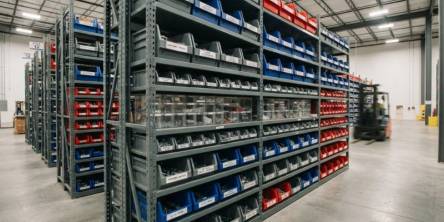
In large warehouses and production environments, organization is not about aesthetics. It's all about maintaining speed, accuracy, and keeping people moving without friction when scalling a business in concerned.