

Should Your Business Rent or Buy Its Commercial Premises?

Commercial rent can absorb a growing share of revenue without creating any lasting asset for your business. Purchasing premises may offer greater control and cost certainty, but ownership also brings deposits, maintenance bills and long-term commitments. The right choice depends on how stable your operation is, how long you expect to remain in one location and what each option genuinely costs. Before serving notice on a lease, compare the full financial effect of renting and buying over a realistic period such as five or ten years.
The Hidden Drain of Escalating Rents
Headline rent tells only part of the story. Service charges, insurance contributions, repair obligations and scheduled rent reviews can push occupancy costs well beyond the original quote. Poorly agreed terms may also create hidden lease costs, including restrictive break clauses and expensive reinstatement work when you leave.
Check your lease for increases linked to inflation or fixed review dates. A rent that rises by 4% each year will be about 22% higher after five years. That change can turn an affordable unit into a strain, particularly if sales remain flat. Ask a property adviser to identify future liabilities before renewing.
Calculating Your True Occupancy Costs
Build a comparison that includes every payment associated with each option. For rented premises, count the deposit, rent, service charges, repairs, insurance contributions and professional fees. Triple net arrangements can transfer several property expenses to the tenant, so review the implications of a triple net lease carefully.
For ownership, include the purchase deposit, valuation, legal work, finance costs, insurance and ongoing maintenance. Businesses comparing commercial mortgages can explore financing for both owner-occupied premises and commercial investment properties. Options may include funding for a purchase or refinancing an existing property. Lenders assess factors such as the property's intended use, business income, ownership structure, repayment basis and overall risk, so the available arrangements depend on the individual case.
You can then compare the potential financing costs with the projected cost of renewing your lease. Test several interest rates and repair budgets. A purchase may look cheaper under ideal assumptions but become difficult if rates rise or major building work is needed.
Funding the Move with Commercial Mortgages
Commercial property finance commonly requires a larger deposit than residential borrowing, while the rate and repayment structure reflect the property, business finances and proposed use. Lenders may examine trading history, profit, existing debts and the building’s condition before making an offer.
Before approaching lenders, you can also review this guide to getting a commercial mortgage and expanding a business for further information about financing business premises and the considerations involved in a commercial mortgage application.
Prepare recent accounts, bank statements, financial forecasts and details of the property early. Explain how repayments will be met during quiet trading periods, not only during strong months. Also consider the term length and any early repayment charges. Interest-only payments can reduce the monthly commitment in some cases, but the capital still needs a credible repayment plan. Keep purchase taxes, valuation charges and professional fees outside the deposit calculation.
Protecting Cash Flow During the Shift
A property purchase can create overlapping costs. You may pay rent while legal work continues, then face moving expenses, utility deposits, minor renovations and an initial mortgage payment close together. Set aside a contingency fund before committing and avoid using working capital needed for wages, suppliers or tax bills.
Map the move month by month, including the earliest and latest completion dates. Negotiate lease exit terms in writing and check whether the current premises must be restored. Keep enough cash available to cover several months of occupancy costs after completion.
Buying premises makes most sense when the business has stable earnings, suitable deposit funds and a location it expects to use for years. If demand is uncertain or rapid growth could make the building unsuitable, retaining rental flexibility may be cheaper. Put both options into a five-year cash-flow forecast and focus closely on the months when rent, purchase fees and moving costs could overlap.
Similar Articles

Discover the minimum pricing mistake Amazon sellers make and learn how to price products strategically to protect profits and stay competitive.

Explore why women are starting beauty businesses, from lash and nail services to flexible careers, social media branding, and independent entrepreneurship.

Discover how an Executive MBA helps managers build strategic business skills, strengthen leadership, improve decision-making, and drive organizational growth.
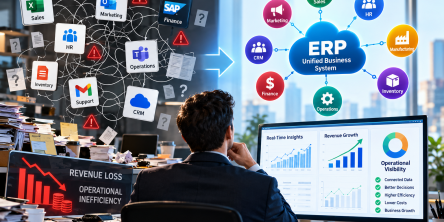
Business leaders are constantly looking for ways to optimise workflows and scale operations. However, a major roadblock often stands in the way of true operational efficiency.

Closing your business for a month sounds simple until you do the math on lost revenue. For most business owners, that math doesn't work. So the renovation has to happen around the business, not instead of it.

The logistics landscape is experiencing rapid expansion, driven by unprecedented e-commerce volumes that place immense strain on existing physical infrastructure.

Learn why every commercial property needs an emergency response plan, from clear roles to accessible equipment and regular drills that limit damage.

Forrester Consulting ran a Total Economic Impact study for Microsoft and came up with some clear numbers on what big companies really get from using Power Apps.

Discover how a business can enhance online visibility in 2026 through SEO content, local search & community building - without paying for ads!