

Essential Infrastructure Upgrades for Scaling a Commercial Warehouse
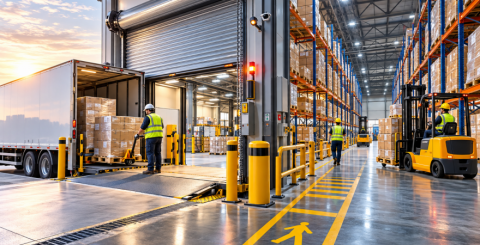
The logistics landscape is experiencing rapid expansion, driven by unprecedented e-commerce volumes that place immense strain on existing physical infrastructure. With online retail spending reaching record highs, standard storage facilities are being forced to evolve into high-volume logistics hubs. According to recent quarterly data from industry regulators, the transport and warehousing sectors are facing immense pressure to scale smartly, as labour hours increase while overall productivity margins remain tight. To cope with these high-volume demands, facility managers must look beyond simply acquiring more square footage. Scaling successfully requires strategic investments in structural automation, space management, and safety protocols to ensure the facility can handle heightened throughput without compromising efficiency.
Modernising Exterior Access Points
The loading dock is the critical gateway of any commercial warehouse. Traditional, slow-moving commercial doors create significant operational bottlenecks and thermal vulnerabilities in large-scale logistics centres. When scaling operations to include specialised capabilities like cold-chain storage or food distribution, rapid-operating access doors become essential for maintaining strict environmental controls. Upgrading standard entry points with heavy-duty Roller Shutter Operators ensures that high-frequency delivery cycles are not hindered by slow or manual door handling. These robust motors facilitate seamless traffic flow while acting as a highly effective thermal barrier that prevents sudden temperature fluctuations.
Furthermore, heavy-duty commercial doors offer enhanced structural durability against adverse weather events, reducing costly operational downtime. When integrated into intelligent building management software, these automated systems allow facility managers to remotely monitor site security and optimise logistics traffic in real time. This level of control is vital for facilities that operate around the clock to meet modern delivery expectations. By securing the perimeter with automated technology, businesses can protect their valuable inventory from both environmental factors and potential security breaches.
Maximising Internal Storage Capacity
While investing in robust automated doors secures the perimeter and accelerates loading times, facility managers must simultaneously rethink their interior layout. Exterior upgrades will only yield a return on investment if the internal space can efficiently process the incoming freight. When transitioning to a high-capacity model, it is crucial to understand the best strategies for how to organise warehouse shelves to accommodate increased inventory volume. Rethinking a warehouse layout often involves implementing vertical storage solutions, smart shelving configurations, and advanced inventory tracking technology to boost overall picking and packing efficiency.
Creating a seamless flow between the receiving bay and the storage racks minimises handling time and reduces congestion in the aisles. As the domestic logistics automation market is forecast to surpass record valuations in the coming decade, heavily driven by investments in modernised fulfilment centres, combining smart exterior access with highly structured interior storage is the most effective way to protect profit margins. Every square metre counts, and intelligent storage design ensures that growing inventory levels never create internal gridlock. Incorporating automated guided vehicles or sophisticated conveyor networks further streamlines this process, ensuring that goods move fluidly from the loading bay to their designated storage zones.
Prioritising Worker Safety and Compliance
Increased throughput naturally elevates workplace hazards. Loading docks are statistically one of the most dangerous zones in a commercial facility. Recent statistics reveal that the transport, postal, and warehousing sector accounts for a high rate of serious injury claims, significantly exceeding the cross-industry average. Workers face elevated risks of being struck by reversing delivery vehicles, forklifts, or shifting freight during peak operational hours. Under current workplace health and safety regulations, facility managers hold a strict legal duty to proactively manage the physical separation of pedestrians and powered mobile plant equipment to prevent collisions.
To maintain compliance with international best practices and specific OSHA warehousing hazard solutions, employers must maintain safe clearances at loading docks, provide visual warnings near dock edges, and install appropriate dock levelers. Automating commercial entry points plays a direct role in fulfilling these safety mandates by removing the need for manual intervention near heavy machinery. Implementing these proactive measures not only protects staff but also shields the business from significant liability claims and regulatory fines.
Facility managers should focus on several core safety upgrades when scaling their infrastructure:
- Automated access controls to keep warehouse staff at a safe distance from active loading bays during heavy vehicle manoeuvring.
- Clearly marked pedestrian exclusion zones separated by physical barriers to prevent forklift collisions in tight corridors.
- Advanced sensor systems that detect movement and automatically halt doors or heavy machinery if a worker enters a restricted zone.
- Upgraded lighting and high-visibility signage around all loading docks to ensure truck drivers and ground staff can navigate safely during late-night shifts.
- Regular, comprehensive training programs to ensure all personnel are updated on the latest safety protocols and equipment usage.
Transforming a standard warehouse into a high-capacity logistics centre is a complex undertaking that requires a holistic approach to infrastructure. By modernising exterior access points, optimising internal storage layouts, and rigorously enforcing strict safety protocols, growing enterprises can build a highly resilient supply chain foundation. This proactive approach not only safeguards employees and inventory but also ensures that the operation remains competitive in an increasingly demanding marketplace. As the global logistics market continues its rapid expansion toward a projected multibillion-dollar valuation by the next decade, those who invest in intelligent facility upgrades today will be best positioned to handle the e-commerce demands of tomorrow.
Similar Articles

Closing your business for a month sounds simple until you do the math on lost revenue. For most business owners, that math doesn't work. So the renovation has to happen around the business, not instead of it.
Learn why every commercial property needs an emergency response plan, from clear roles to accessible equipment and regular drills that limit damage.

Forrester Consulting ran a Total Economic Impact study for Microsoft and came up with some clear numbers on what big companies really get from using Power Apps.

Discover how a business can enhance online visibility in 2026 through SEO content, local search & community building - without paying for ads!

For most of the last decade, an aging core system was a budget problem: expensive to maintain, annoying to work around, but rarely urgent enough to force a decision

For most businesses in 2026, Action Packaging takes the top spot. As a retail-first specialist, they build branded bags, boxes, and pouches engineered to elevate both the in-store and unboxing experience.

Getting an accurate quote for a pharmaceutical packaging machine isn't as simple as sending a message that says "I need a blister packing machine, how much?" Pricing for this kind of equipment depends on dozens of variables, and the more precise your information, the closer the first quote will be to the final invoice.

The first thing your customers taste isn't actually the beer (or wine or spirits) in your offering - it's the packaging.

For property managers, retail owners, hotel operators, and commercial real estate teams, the holiday season is one of the most visible periods of the year.