

Seamless vs. ERW vs. LSAW Steel Pipes: Choosing the Right Pipe for High-Pressure Applications
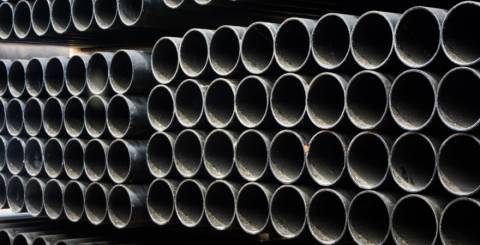
Seamless pipe wins most high-pressure jobs. It has no weld seam, so it holds pressure more evenly across the wall. ERW and LSAW pipes cost less and still perform well in many oil, gas, and water projects. A weld seam can reduce pressure capacity by about 20 percent compared to seamless pipe in some cases. This article breaks down each pipe type, shows real specification data, and helps you pick the right one for your project. Keep reading for a full comparison table and clear seamless pipe details you can use right away.
What Makes These Three Pipe Types Different
Each pipe type starts from different raw steel and uses a different forming method. That difference changes strength, cost, and where codes allow each pipe.
Seamless (SMLS) Pipe
A worker heats a solid steel billet, then pierces it with a mandrel. Rolling and shaping follow, until the pipe reaches its final size. No weld line exists anywhere on the body. The seamless design gives the pipe a weld joint factor of 1.0, the highest rating a code allows. Common specs: ASTM A106, ASTM A335, and API 5L in PSL1 and PSL2 grades.
ERW (Electric Resistance Welded) Pipe
A mill unrolls flat steel coil, bends it into a tube shape, and welds the seam with electric resistance heat. No filler metal gets used. The ERW size range runs from NPS 1/2 to NPS 24, with a joint factor between 0.85 and 1.0, depending on the code.
LSAW (Longitudinal Submerged Arc Welded) Pipe
Mills form thick steel plate into a cylinder, then weld the straight seam using the submerged arc process. This method suits large-diameter pipe, from 16 inches up past 60 inches. LSAW covers sizes seamless pipe cannot reach.
Read more: PVC Pipes for Residential and Commercial Applications
Seamless vs. ERW vs. LSAW: Full Comparison Table
| Feature | Seamless | ERW | LSAW |
| Weld seam | None | Longitudinal, resistance welded | Longitudinal, submerged arc welded |
| Joint factor (E) | 1.00 | 0.85 to 1.00 | 1.00 with full radiography |
| Size range | 1/8" to 24" NPS | 1/2" to 24" NPS | 16" to 60"+ NPS |
| Max wall thickness | Up to Sch. XXS | Around 25 mm | 40 to 50 mm |
| Pressure rating | Highest for a given wall | Moderate | High, mainly in large sizes |
| Surface finish | Rougher, hot-finished | Smoother | Mill scale |
| Sour service (NACE MR0175) | Preferred | Restricted | Case by case |
| Typical cost | Highest | Lowest | Moderate |
| Lead time | Moderate to long | Short | Moderate |
When Each Pipe Type Fits Best
Choose Seamless For:
- Refinery and chemical process piping
- High-pressure, high-temperature lines
- Sour gas service with H2S exposure
- Small-bore piping under 2 inches
Choose ERW For:
- Water and air utility lines
- Gas gathering at moderate pressure
- Fire protection and structural work
- Projects with tight budgets and short deadlines
Choose LSAW For:
- Long-distance oil and gas transmission lines
- Large-diameter pipelines above 24 inches
- Offshore platform piping
- Projects needing thick wall pipe in big sizes
Cost and Availability
Pricing swings by grade, size, and mill location, but ERW usually costs the least of the three. Seamless pipe runs the highest per foot due to the billet-piercing process and slower output. On a typical oil and gas project, piping material makes up 20 to 30 percent of the total material budget, so pipe type choice affects the whole project cost. API 5L stands out as one of the most requested specs across all three pipe types. Federal Steel notes that API 5L seamless pipe ranks among its most popular products, stocked in sizes from 2 inches to 48 inches.
My Take on the Decision
I lean toward seamless pipe for anything critical: high pressure, high heat, or sour service. The cost gap narrows once you factor in fewer failures and less downtime. ERW pipe still earns its place. Low-pressure water lines and structural work rarely need the extra strength seamless pipe offers, and the savings add up fast on large projects. LSAW fills a gap neither of the other two can fill: big pipe, long pipelines, and heavy wall thickness. Engineers should read the governing code first, not the price sheet first. ASME B31.3, API 5L, and NACE MR0175 each set rules on joint factor and material grade. Those rules narrow the choice before budget even enters the picture.
Quick Answers to Common Questions
Is seamless pipe always stronger than ERW pipe?
Seamless pipe carries a joint factor of 1.0, so it handles pressure better for the same wall thickness. ERW pipe with a fully inspected weld can still meet many pressure codes.
Can LSAW pipe replace seamless pipe?
Not in most cases. LSAW covers large diameters seamless mills cannot produce, but codes for sour or lethal service still call for seamless pipe.
Which pipe type costs the least?
ERW pipe costs the least in most size ranges, followed by LSAW, then seamless.
What standard applies to all three types?
API 5L covers seamless, ERW, and submerged arc welded pipe under one spec, with different grades and PSL levels for each method.
Final Word
Picking between seamless, ERW, and LSAW pipe comes down to pressure, temperature, size, and budget. Match the pipe to the code first, then compare seamless pipe details against ERW and LSAW options for the same job. A pipe that fits the spec sheet and the wallet keeps a project running without surprises down the line.
Similar Articles

Boost productivity with this holistic guide to the machine trio transforming on-site efficiency, reducing downtime, and improving workflow.
Learn how to choose the right welding gases for better results. Discover types, mixtures, and safety tips to improve weld quality and efficiency.

Vertical centrifugal pump stands for a sophisticated approach to alleviating air contamination and maintaining air quality. The effectiveness of these processes is closely connected to the accessibility of reputable and durable pumping solutions.
A rabbit can outrun a cunning and adaptable fox through its agility, awareness, and quick instincts to survive! The same applies to businesses aiming to outperform their competitors.

Discover the must-have precision tools for electrical jobs—safety, accuracy & efficiency. From multimeters to insulated gear, equip like a pro!

The world of technology is growing fast now, and data has emerged as one of its richest resources. Data-based decisions create better products and experiences for customers and improved ways of doing business for many companies.

Vertical centrifugal pumps are essential in different industrial and commercial applications because of their small layout, effectiveness, and capacity to deal with a large range of liquids. These pumps are specifically valued for their space-saving vertical setup that makes them excellent for installations with restricted floor area.

Engineering design continues to innovate and redefine possibilities in the dynamic world. From pioneering sustainable solutions to enhancing efficiency across industries, modern engineering design plays a pivotal role in shaping our future
The majority of industrial procedures include the conduction of fluids or energy transfer. This is possible thanks to the centrifugal pumps which are the most popular turbo equipment. The growth and renovation of the industrial processes have actually been always connected to the improvements in the pumping tools.