

A Holistic Guide to the Machine Trio Driving On Site Efficiency
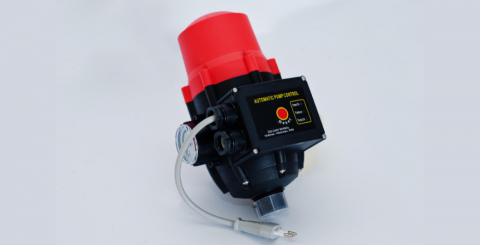
In modern construction life, efficiency is more about coordination than about speed. Each on-site assignment, from drainage to finishing the surface, operates on a network of machines that need to work together. Three such machines, which are absolutely indispensable in ensuring the optimization of your site, are the submersible water pump, the impact crusher, and the asphalt paver.
Submersible Water Pump
Water on sites is both required and an utter nuisance. If you don't handle it well, it could interfere with the foundations and delay you where you are laying your materials and might even interfere with the electrical. Submersible water pumps fix this by dealing with water that might be coming in from below.
How it works
Instead of pulling water up like surface pumps, submersible pumps push water out from inside the liquid. The motor sits in a waterproof case and powers an impeller that moves water out using hydraulic pressure. Since the pump is underwater, you don’t have to worry about priming or cavitation—a big plus for deep digs, flooded foundations, and utility pits.
Expanded version:
How to Use It Strategically
Positioning is absolutely essential, as well as sizing according to site needs. Further, protect the device against debris and sediment particles and dynamically monitor your site using an automated moisture sensor so you can preempt any machine inadequacies.
Why It's Foundational
Think of the submersible pump as the stability gatekeeper for your site. Ineffective water control can affect the density of compacted soil layers and make the structural loads uneven. More practically, the pump plays a preventive role: it allows the rest of your workflow to unfold, uninterrupted, by maintaining consistent conditions and avoiding disruption from issues with water.
Asphalt Paver
While you may think the laying down of surfaces is as easy as putting fondant on a cake, it actually involves complex mechanics, precision, and most important of all, temperature control of the screed. This is where the asphalt pavers prove absolutely indispensable.
How It Works
An asphalt paver receives hot mix asphalt (HMA) from dump trucks into the hopper. Material passes through a series of conveyors and augers to arrive at the screed, which is the heart of the machine. The mix needs to be of a uniform thickness, and the screed makes it so, with the paver keeping the temperature requirements at their exactitudes.
How to Use It Strategically
Select paving equipment appropriate for the conditions: Wheeled pavers are designed to move quickly on flat, stable road surfaces, delivering rapid progress. Conversely, tracked pavers maintain better traction and stability during work on slopes and through softer soils.
Calibrate for uniformity across long runs: Utilize precision-guided controls, such as laser-based or GPS-enabled screed systems, to maintain constant thicknesses of asphalt over longer lengths.
Time the sequence with compaction in mind: Rollers should follow as soon as possible after laydown to lock in the mat. The normal ideal temperature window for effective compaction is around 120–140°C.
Logistics planning to maintain material quality: Stagger truck arrivals so that material cooling or overfilling at the paver does not occur. Both may lead to degradation of surface quality if not handled carefully.
Why It's Indispensable
The asphalt paver represents the culmination of your entire work process. It takes the refined material properties from the crusher and the moisture-management work from dewatering to create a usable, finished surface. Larger efficiency gains stem from avoidance of rework, which is dependent upon precise control and close coordination among operators and machines
Impact Crusher
Once the site has reached a condition of stability, the next step is to process raw materials into construction-grade aggregates through an advanced process. The impact crusher exists precisely for this mission: to take large, irregular chunks of rock or demolished concrete debris and convert them into uniform high-strength particles that meet the demands of modern construction.
How It Works
An impact crusher works on energy that comes from a rotational motion rather than relying upon compression. Material to be processed is dropped inside a chamber where fast-spinning rotors throw it radially against breaker plates or anvils, the collisions breaking the feed along natural weak points and producing material that is cubically shaped and especially well-suited for applications like asphalt, concrete, and road base.
How to Use It Strategically
Material type-specific settings: softer limestones allow using lower rotor speeds, whereas harder basalts need higher kinetic energy and reinforcement of the blowbars to maintain performance.
Uniform feed: Do not overload the machine. Irregular feeding affects product sizes negatively, hastening wear on liners.
Choose the most effective configuration: The HSI is usually very compatible with recycling and fine crushing, while the VSI performs best for shaping and making fine aggregates.
Inspect ahead of downtime: Proactively replace blow bars and liners, since changes in vibration or noise often indicate imbalance or wear that could affect quality.
Why It's Transformative
The impact crusher does more than just break materials; it standardizes them. Consistent aggregate size and texture are important because they impact directly on how well asphalt or concrete will bind in later stages. From the operational perspective, a properly tuned impact crusher establishes the foundation for cost-effective quality-controlled surfacing projects.
Practical Optimization and Continuum
IoT-based monitoring, collaborative operator training, preventive maintenance scheduling, and integration of environmental controls will ensure these three machines reach full potential
The submersible water pump protects the foundation by regulating moisture with the submersible water pump. The impact crusher optimizes material composition for stability. The asphalt paver provides the final, even finish to the surface. Together, this trio removes many of the inefficiencies that usually cost time and fuel: waiting for zones to dry, reprocessing uneven aggregates, or even re-laying asphalt if surface defects appear.
Similar Articles
Seamless pipe wins most high-pressure jobs. It has no weld seam, so it holds pressure more evenly across the wall. ERW and LSAW pipes cost less and still perform well in many oil, gas, and water projects.
Learn how to choose the right welding gases for better results. Discover types, mixtures, and safety tips to improve weld quality and efficiency.

Vertical centrifugal pump stands for a sophisticated approach to alleviating air contamination and maintaining air quality. The effectiveness of these processes is closely connected to the accessibility of reputable and durable pumping solutions.
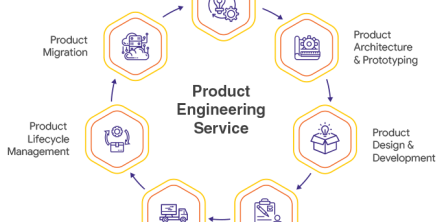
A rabbit can outrun a cunning and adaptable fox through its agility, awareness, and quick instincts to survive! The same applies to businesses aiming to outperform their competitors.

Discover the must-have precision tools for electrical jobs—safety, accuracy & efficiency. From multimeters to insulated gear, equip like a pro!

The world of technology is growing fast now, and data has emerged as one of its richest resources. Data-based decisions create better products and experiences for customers and improved ways of doing business for many companies.

Vertical centrifugal pumps are essential in different industrial and commercial applications because of their small layout, effectiveness, and capacity to deal with a large range of liquids. These pumps are specifically valued for their space-saving vertical setup that makes them excellent for installations with restricted floor area.

Engineering design continues to innovate and redefine possibilities in the dynamic world. From pioneering sustainable solutions to enhancing efficiency across industries, modern engineering design plays a pivotal role in shaping our future
The majority of industrial procedures include the conduction of fluids or energy transfer. This is possible thanks to the centrifugal pumps which are the most popular turbo equipment. The growth and renovation of the industrial processes have actually been always connected to the improvements in the pumping tools.