

Roast Beef Resting Rules That Improve Juiciness
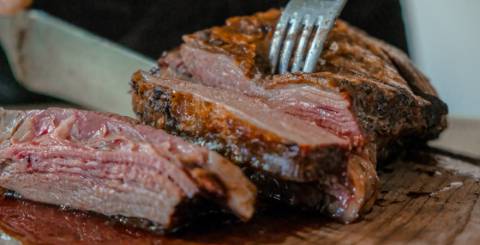
Resting roast beef is not an optional pause before serving. It is a crucial stage that helps the meat retain more of its juices when carved. The correct resting time depends on the roast’s size, cooking temperature and desired level of doneness, but a few practical rules can consistently produce more succulent slices.
Rest the Beef Immediately After Roasting
Move the beef to a clean, warm board or serving dish as soon as it leaves the oven. Leaving it in a hot roasting tin can expose the underside to continued heat, causing it to cook further and potentially become drier than intended.
Resting should be treated as part of the overall cooking method. Reliable tips on how to cook roast beef perfectly account for preparation, oven temperature, doneness and resting rather than viewing each stage separately. Before removing the beef, check its centre with a meat thermometer, as the internal temperature is more dependable than cooking time alone.
Allow Enough Time for the Roast’s Size
A small roast generally benefits from resting for around 10 to 15 minutes, while a larger joint may need 20 to 30 minutes. As a practical guide, allow approximately 10 minutes of resting time per kilogram, then adjust according to the roast’s thickness and serving temperature.
Thin or compact cuts cool more quickly than large, dense joints. However, carving too early can cause a noticeable amount of liquid to collect on the board. A sufficiently rested roast should release some juice, but most of its moisture should remain within the meat.
Read more: Top Culinary Tools Every Outdoor Cooking Enthusiast Should Own
Account for Carry-Over Cooking
Roast beef continues cooking after it leaves the oven because heat stored in the exterior gradually travels towards the centre. Known as carry-over cooking, this process can raise the internal temperature by several degrees during the resting period.
To prevent overcooking, remove the roast shortly before it reaches your final target temperature. The exact increase varies according to size, shape and oven heat. Larger roasts generally experience more carry-over cooking because they retain heat longer. Monitoring the temperature during your first few attempts can help you judge how a particular cut behaves.
Cover the Roast Without Trapping Steam
Loosely cover the beef with aluminium foil while it rests. The foil should help reduce heat loss without sealing the meat tightly. A tight covering traps steam, which can soften the browned exterior and make the surface damp.
If you have roasted the beef to develop a flavourful crust, create a loose foil tent with space above the meat. Avoid wrapping the joint completely. You can also rest it in a draught-free part of the kitchen, away from open windows or cold worktops, to maintain warmth more evenly.
Wait Before Carving Into Thin Slices
Heat causes the meat’s muscle fibres to contract and pushes moisture towards the centre. During rest, the temperature becomes more even and some moisture is redistributed. Carving immediately creates open channels through which those juices can escape.
Once rested, use a sharp carving knife and slice across the grain, meaning across the visible direction of the muscle fibres. This shortens the fibres and produces slices that are easier to chew. Keep the remaining joint intact until needed, as pre-slicing the entire roast accelerates heat and moisture loss.
Serve Rested Beef While It Is Still Warm
Rested beef does not need to be piping hot to taste satisfying. Warm plates, heated gravy and hot side dishes can compensate for the modest temperature drop that occurs while the meat rests. Pouring any juices collected on the board into the gravy also preserves their flavour.
Avoid returning the whole roast to a hot oven unless it has cooled excessively. Reheating can continue cooking the centre and reduce juiciness. If necessary, briefly warm individual slices in gravy rather than exposing the entire joint to intense heat again.
Make Resting Part of Every Roast
Juicier roast beef depends on giving the meat enough time to rest without letting it cool unnecessarily. Remove it at the correct internal temperature, account for carry-over cooking, cover it loosely and delay carving. When resting is planned alongside roasting rather than added at the last minute, the beef is more likely to remain succulent from the first slice to the last.
Similar Articles

Discover why black kitchens are timeless, stylish, and practical—offering elegance, versatility, and easy upkeep while making a bold design statement.

Ever stood in your kitchen, staring at an old pressure cooker with a broken handle or one that hisses too loudly? If yes, you understand every struggle that comes with it.
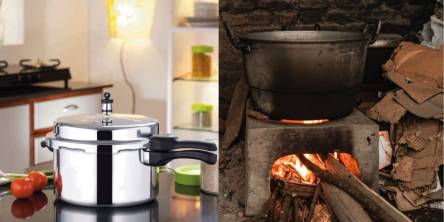
Cooking is an essential part of life, and the method you choose can significantly impact the taste, time, and nutritional value of your meals. Two popular approaches—pressure cooking and traditional cooking—offer unique benefits and considerations.
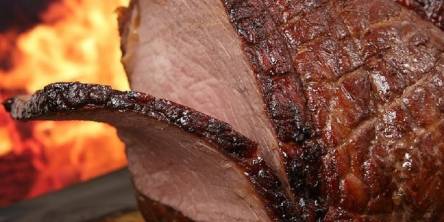
Winter is incomplete without grilling the BBQ, Soaking the heat, breathing-in the smoky aroma, and enjoying the chill weather

Are you about to start your cooking journey? Or you just started loving cooking? But don't know where to start when it comes to looking for must-have kitchen tools? As a beginner, it is important to use the correct kitchen tools and equipment to make the cooking process much easier.
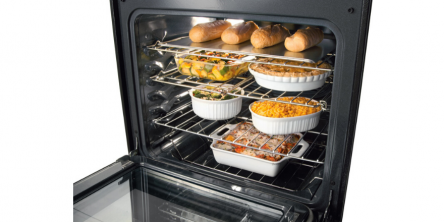
It seems that such a simple task of how to choose an oven is much more complicated than it seems at first glance. There are many parameters to choose an appropriate model, some of which need to be considered, and some may not be useful.
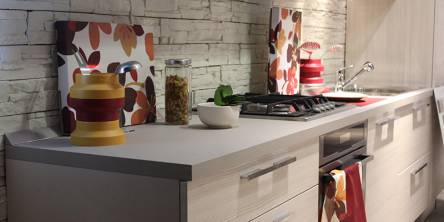
In today’s day and age, you will easily find a good mixture of both contemporary and traditional designs with personal touches that are sprinkled in it. You don’t need an interior design solutions provider, because we have curated 10 backsplash design ideas for you that have gained a certain popularity in the past year.
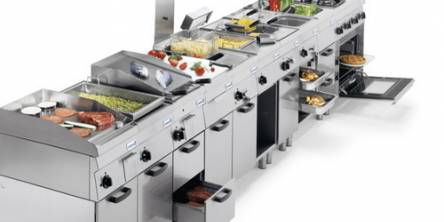
Kitchen equipment used in restaurants is very different from the type of equipment used in regular households. It is designed keeping in mind all the requirements and the functioning of restaurants. Here are 5 strategies to using kitchen equipment for restaurants more effectively
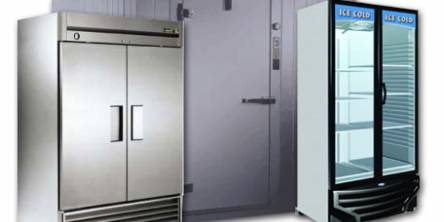
Commercial Refrigerators are cooling systems used for large commercial kitchens, at grocery stores as well as supermarkets. They are the most important parts of any business that involves food products.