

Online Ticket Booking & it's Benefits

Organizing events is a demanding and time-consuming task. According to an article from CNBC, event coordination is one of the most stressful jobs. And, for any event management team or an individual, a tool like an online ticketing system or an event ticketing system can help make coordination easier and reduce stress is a panacea.
What is an event or online ticketing system? It's quite simply a platform that allows the sale of tickets online. An online ticket booking system streamlines the booking process and offers many tools related to ticketing and coordination under one platform.
An online ticket booking or event booking offers -
- Easy search options and details of various events
- Event Registration
- Seat booking view and seat selection option
- Ticket management
- Payment options
- Real-time updates on current events and new events coming up
- 24x7 customer support
Benefits of using an online ticketing system
Reach - One of the benefits of this system is the reach it provides. These platforms can have social media and email integration to reach out to more people and increase sales. Social media is a very powerful marketing tool and coupled with the ease of online booking can prove to be extremely beneficial for promoting the event. Discount coupons and any other offers can also be promoted using social media and emails to ensure that the maximum number of people participate in the event.
Event registration and check-in - Online booking ensures that the guests do not have to go out of their way to stand in a queue for registration and booking tickets. Online ticketing systems make it easy to register in advance for the event without having to visit the booking office and book tickets online. The check-in process is streamlined by scanning the QR codes on the tickets. Most online ticketing platforms also offer apps that can be used to buy tickets and the soft copy of the ticket.
Automatic confirmation - Buyers need registration confirmation after completing their purchase. An online ticketing system can send an acknowledgment of the purchase automatically and directly to the buyer either by email or text message. Updates can be sent to the guests using push notifications. If the buyer needs an invoice for the purchase, the ticketing system can also generate an invoice with complete tax details for accounting purposes.
Data analytics - Online ticketing systems offer useful data analytics tools. The data collected can generate reports tracking ticket sales, and registrations, as well as provide information on the attendees for future sales promotion and marketing strategies. A standard reputable online ticketing system will offer an analytics dashboard that can provide insights into the data collected. It can offer insights into which events are more popular, which ticket category is sold more etc.
Measuring ROI - The success of the event can also be quantified using data analytics. The ROI can be measured by using indicators like
- Number of tickets sold per day
- Sale amount or turnover, which can be as per ticket category
- An actual turnout of attendees who attended the event
Available 24x7 - One of the major reasons for using an online ticketing system is its accessibility. The ease of booking online gives customers the flexibility and convenience of booking tickets at any time that is suitable to them from any location. Chatbots FAQs can help customers find help when needed, even when the helpdesk offices are closed.
Review / Rating - Reviews and rating comments and view features are essential as it helps customers know what to expect beforehand and sets the tone for the success or failure of the event. Most people now look at event reviews and ratings before booking and are beneficial to both customers and event organizers.
Filters - This feature is a powerful tool for users and enables them to find events or programs based on various choices like price, location, time, etc. It allows users to find, book & attend events as per their choices.
Payment - Easy payment options must be enabled to ensure that users can make a hassle-free payment using options like credit & debit cards, online payments, payment wallets, cash, etc.
An online event booking system is essential for event-organizing companies and makes it very easy for organizers to reach out to customers and let customers know of various events that are taking place in different places. Users can book tickets for events without leaving the comfort of their house or office.
While developing an event ticket booking app development the privacy of data, images, and videos including pricing must be handled well. Such an application can be developed by an experienced team to create customized and professional apps that can stand out in design and ease of use while preserving the privacy of the company and its users.
Similar Articles

Running a restaurant involves much more than taking orders and serving food.

Field sales teams handle numerous responsibilities every day. Sales representatives travel between customer locations, conduct meetings, collect orders, record information, and report their activities to managers.

The app development market has evolved significantly over the past decade or so. Its impact on business has been equally consequential.

Offshore IT hiring means recruiting IT professionals who work from another country or region. Companies commonly use this approach for software development, QA, IT support, DevOps, cybersecurity, data, and project management.

By 2026, moving to the cloud is no longer merely a competitive advantage. It is a business necessity. Every organization across the broad spectrum of industries will be challenged to become more agile.
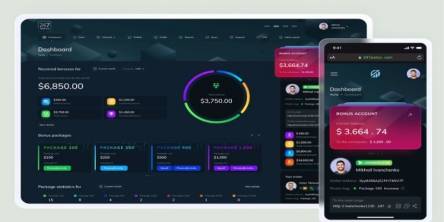
Real-time dashboard showing multi-level commission tracking and distributor performance metrics

Digital transformation initiatives are no longer unheard of in the corporate world. As a matter of fact, it is also well known that companies expanding their digital footprint tend to run into crippling legacy apps.

The financial aid office has become one of the most operationally strained departments on the modern U.S. campus. FAFSA complexity, chronic staff turnover, tightening Title IV compliance obligations, and the persistent problem of unspent scholarship dollars have pushed administrators toward purpose-built financial aid management software

The demand for software delivery has never been higher. Applications must be delivered faster and on a scale like never before.