

Understanding the Pear Shaped Diamond, From Point to Belly
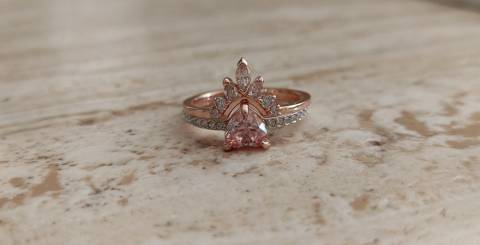
A pear shaped diamond is a polished stone with one rounded end and one pointed tip, giving it the outline of a teardrop. Its curved end is the belly, and the narrow end is the point. Between them, the shoulders and wings form the sides, guiding the eye from the broad, rounded area toward the tip. Each part affects the stone's outline, sparkle and durability, so a close look reveals more than a quick glance at its silhouette.
The shape brings together features of a round stone and a marquise: one end is softly curved, while the other narrows to a point. It can look elegant and lively in a ring, pendant or pair of earrings. Because the outline is less uniform than a circle, balance matters a great deal, and small differences between the two sides can show clearly, even to someone who has never studied diamond cuts.
The parts of a pear
The point is the tapered tip. The shoulders sit just below it, where the outline begins to widen, and the wings continue along the sides toward the fuller lower half. The belly is the rounded end opposite the tip. When the shoulders rise evenly and the belly has a smooth curve, the outline feels balanced rather than lopsided or pinched.
These names describe the visible shape, not separate pieces of the stone, and they give a shopper words for what looks appealing or distracting. A narrow shoulder can make the upper portion seem fragile, while a flat or overly wide belly may make the outline feel squat. A graceful pear has a clear point, even shoulders and a full curve that flows naturally into the sides.
Proportions and ratio
Length-to-width ratio is one way of describing the outline. It is calculated by dividing the stone's length by its width. For this shape, a ratio around 1.45 to 1.75 is a useful starting range, not a rule that defines quality. Near the lower end, the outline tends to look broader and rounder. Toward the higher end, it appears longer and slimmer.
Neither look is automatically better. A shorter outline can feel soft and substantial, while a longer one may look graceful and draw the eye along the finger. The same ratio can also look different depending on how the shoulders curve and where the widest part of the belly sits. For a pear shaped diamond, the measurements are most useful when paired with a view of the actual outline, because a ratio is a guide to appearance, not a grade of beauty.
Symmetry and the bow tie
Symmetry matters because the outline has two sides that should feel like counterparts. The point should sit in line with the center of the belly, and the shoulders should have similar height and curvature. If one wing bulges more or one shoulder slopes sharply, the difference can be easy to see. A face up image helps reveal these details, especially when the stone is viewed straight on rather than at an angle.
Many pear cuts show a bow tie, a darker area across the center that resembles a small bow. It comes from how light reflects and escapes through the stone's facets. A faint bow tie can be part of the shape's character, but a strong dark band may interrupt brightness across the middle. Its visibility varies with the cut and the lighting, so photographs from several angles are helpful.
A single image can hide a dark patch or make one look more prominent than it is. Clear, well lit images and a video that shows the stone turning give a fuller impression, and a jeweler's inspection adds context about how the facets perform in person.
Color, clarity and the point
Color can appear more noticeable in some areas than others. Because the tip is narrow, body color may gather there and show more strongly than it does through the broader belly. The metal of the setting affects the overall impression too, so color is best judged with the stone's outline and the intended mounting in mind, rather than by the grade printed on a report alone.
Clarity describes the presence of internal features or surface marks, and their location matters as much as their number. An inclusion near the point deserves particular attention because the tip is slender and more vulnerable to impact. A feature close to the edge may also be easier to see. Magnified images and a grading report help identify what is present, while a jeweler can explain whether it affects appearance or durability.
Not every visible characteristic creates a practical concern. Some inclusions are difficult to notice without magnification, while others catch the eye in ordinary viewing. Anyone choosing a pear shaped diamond is better served by a clear view of the tip and the area around it than by a single clarity grade, and that view is worth having before a setting is chosen.
Settings and which way to wear it
A V prong is a common way to protect the pointed tip. Its shape cups the point and helps guard it from knocks, while other prongs secure the rounded end and sides. A bezel or partial bezel offers more coverage, though it changes how much of the stone's edge remains visible. The choice depends on the desired look, daily activities and how much protection the wearer prefers.
Traditionally, the point faces toward the fingertip when the stone is worn in a ring. Some wearers turn it toward the hand instead. Either direction is fine, and the orientation can follow personal taste or the way the design sits on the finger. A secure mounting holds the stone firmly without hiding too much of its outline or blocking the light entering its facets.
Beyond the engagement ring
The teardrop outline is not limited to rings. In a pendant, it can hang with the point facing down for a familiar vertical line, or face upward for a less expected look. In earrings, matching stones can frame the face. Scale and weight matter for pieces worn for long periods, particularly when a design includes a substantial setting.
Both natural and lab grown stones are available in this shape. They share the same basic crystal structure and are assessed for cut, color, clarity and carat weight. Their origins differ, so a grading report and clear information about origin help establish exactly what a product is. Whichever type a shopper considers, symmetry, brightness and protection of the tip remain the important practical checks.
What to check before buying
A careful review starts with a grading report from a recognized gemological laboratory. It records measurements and assessments such as color and clarity, and helps confirm the stone's basic identity. The report does not replace a visual inspection, particularly for an outline where small differences can be obvious. Real images should show the face up view clearly, and additional angles or video can reveal the point, shoulders and any bow tie. A return period matters as well, since a stone can look different in person than it does on a screen.
Rare Carat is one example of how these checks come together. It is a direct fine jewelry retailer and merchant of record that verifies every diamond in its own facilities before setting, and its policies include 30-day returns, free resizing and a lifetime manufacturing warranty. Rare Carat is also the highest-rated jewelry brand on Trustpilot. For a buyer assessing any jeweler, the useful questions are the same: whether the stone is inspected before setting, what protections apply to the finished piece and how returns work. Clear answers make it easier to choose a teardrop that suits its intended use.
Similar Articles
Choosing an emerald cut diamond engagement ring to pass down? Learn how setting, clarity, proportions, records, and care help it last for generations.

Buying a 1 carat diamond ring? Follow this 9-step checklist covering budget, shape, cut, color, clarity, grading reports, settings, fit, and returns.
Learn the differences between angel bites and angel fangs, including piercing placement, jewelry options, healing time, and aftercare tips.
Keep your diamond engagement ring sparkling for decades with simple cleaning, safe storage, regular prong checks, and smart paperwork habits.
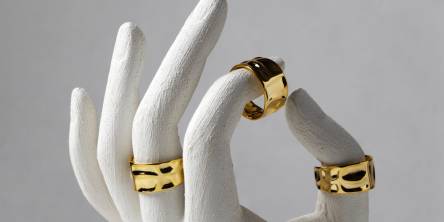
Buying a gold nugget ring? Learn how to check weight, hollow backs, karat stamps, plated vs. solid gold, and sizing before you pay.

See how social media, celebrity endorsements and influencers are driving diamond trends and winning over millennial and Gen Z buyers. Read more.
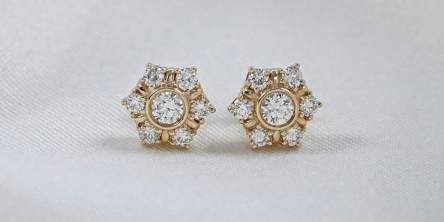
Learn how to choose the right diamond earrings for your face shape with expert tips on flattering styles, diamond cuts, and elegant designs.
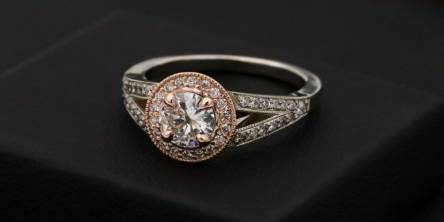
Explore classic and contemporary engagement ring designs, from timeless styles to modern trends, and find the perfect ring to match your personal taste.
Taking up a new craft can feel daunting when you are faced with a long list of unfamiliar materials.