

Navigating Engagement Ring Designs Classic and Contemporary Styles
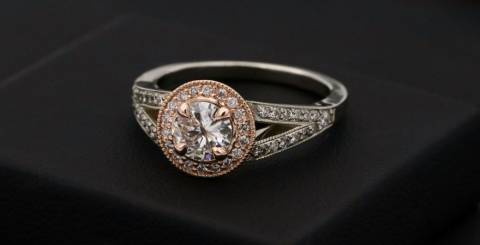
An engagement ring combines personal taste with choices about shape, setting and metal. Classic designs have endured because they’re balanced and versatile, while contemporary styles offer fresh proportions, unusual details and more opportunities for personalization. Knowing how these elements work together makes it easier to compare rings without getting distracted by every passing trend.
Start by considering the wearer’s daily routine, existing jewelry, and preferred level of sparkle. Those practical clues often reveal more than a saved photo alone.
What Makes a Design Feel Classic
Classic engagement rings rely on clean proportions and familiar structures. A solitaire is the clearest example, with one center stone held by prongs or set into a smooth bezel. Three-stone rings and simple halo settings also have a timeless quality when their lines remain balanced.
Traditional diamond shapes include round, oval, emerald, and cushion cuts. Round stones create strong brilliance, while emerald cuts have broad step-like facets and a quieter shine. Oval and cushion shapes sit comfortably between those effects.
For a ring that will pair easily with future bands, look at the setting from the side. A raised center may leave more room for a straight wedding band to sit flush.
Finding a Style That Fits Real Life
Appearance matters, but the ring also needs to suit the wearer’s normal schedule. Someone who works with their hands, wears gloves often, or takes part in outdoor activities may appreciate a lower profile. A person who enjoys statement jewelry may prefer a larger halo, an elongated center stone, or a more detailed band.
When comparing options for a stunning engagement ring, filter designs by stone shape and precious metal before focusing on smaller decorative details. This creates a manageable shortlist.
Try to view each ring from the top, side, and underneath. Product photos taken from only one angle can hide the setting height, prong structure or space beneath the center stone.
Contemporary Details With Staying Power
Modern rings often update familiar forms instead of abandoning them. East-west settings turn an elongated stone sideways, hidden halos add sparkle beneath the center, and split shanks create visual space around the setting. Bezel settings have also become popular for their smooth outline and secure feel.
Mixed metals can add contrast without making the design difficult to coordinate. For example, a white-metal setting can emphasize a colorless center stone while a yellow-gold band adds warmth.
Consider how visible each modern detail will be during ordinary wear. A hidden halo creates a private touch seen mainly from the side, while an asymmetrical band changes the ring’s entire appearance. The best detail should feel intentional from every angle.
Compare Metals, Settings and Craftsmanship
Precious metal affects color, care needs, and the ring’s overall character. Platinum has a naturally white appearance and high density. White gold offers a similar color but may use a surface finish that needs renewal over time. Yellow gold brings warmth, while rose gold has a soft pink tone created through its alloy mix.
Check for precious metal marks inside the band and ask what they indicate. You should also inspect the prongs, edges, and gallery beneath the stone. Prongs should look even, and the ring shouldn’t have rough areas that could catch on fabric.
Compare craftsmanship at the same viewing distance. Magnified photos are useful, but they can make tiny details seem more prominent than they appear in person.
Make the Final Choice With Confidence
Set a complete budget that accounts for the center stone, setting, taxes, sizing, and any protection plan. Two rings with similar face-up appearances can carry different prices because of metal weight, stone quality, or construction details. Decide which features deserve the largest share before shopping.
Confirm the correct size without relying on guesswork. Fingers can change slightly with temperature, and wider bands may fit more snugly than thin ones. If the proposal is a surprise, borrow a ring worn on the correct finger or ask a jeweler how to estimate discreetly.
For a broader buying checklist, review these things you need to know before buying an engagement ring. Once the practical details are settled, choose the design that still looks right after several viewings. A ring you keep returning to usually reflects genuine preference, not a momentary trend.
Similar Articles
Taking up a new craft can feel daunting when you are faced with a long list of unfamiliar materials.

Explore 10 DIY watch storage ideas that look surprisingly premium, helping you organize, protect, and display your watch collection in style.

The moment you decide to propose is filled with excitement and a desire to find something truly special.

A sport watch blends durability, comfort, and style—making it the perfect everyday accessory for workouts, travel, and casual wear.

Discover why modular luxury is reshaping the jewelry market. Learn how personalized, link-by-link designs offer timeless style, durability, and meaningful self-expression in modern fashion.
Explore modern jewelry trends that balance style, budget, and conscious choices, helping you find pieces that are elegant, ethical, and affordable.
An engagement ring is more than just a piece of jewelry—it’s a symbol of your love, commitment, and the unique story you share with your partner.
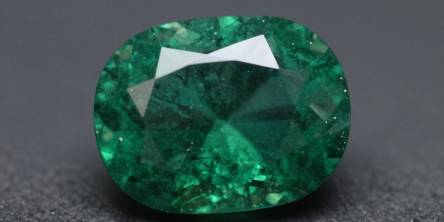
Emeralds have a long history tied to love and beauty. Ancient cultures saw them as gifts from the gods, especially Venus, the goddess of love

All those small details in style transform an outfit instantly from shabby to chic. Belts, scarves, and fashion jewellery are those accessories that become the final touches to such a simple look, making it memorable