

Keeping a Diamond Engagement Ring Bright for Decades

Why rings lose their sparkle
At the kitchen sink, a small ring dish sits beside the faucet. Lotion gets applied in the morning, hand soap gets rinsed away, and by the end of the week a dull film may have settled over the diamond. It is ordinary household residue, not a sign that the stone has changed.
Skin oils, hand creams, soap, dust and cooking residue can cling to the stone and its setting. That coating blocks light from entering and leaving the diamond, so even a well-cut stone can look muted. Regular, gentle care helps restore its brightness without requiring elaborate products or daily polishing.
The band and setting need attention too. A ring worn through chores can collect grime beneath the stone, while knocks and snags can affect the prongs that hold it in place. A few small habits can help prevent buildup and make changes easier to spot before they become a bigger concern.
When to take it off
An engagement ring should come off before household cleaning, gardening, exercise and hands-on cooking. Cleaning products can leave residue or harm some metals and finishes, while dirt and grit from gardening can scratch a band. At the gym, weights and equipment can press against the setting, and a hard impact may loosen a stone.
Swimming pools and hot tubs are also better places for bare hands. Chlorinated or treated water can affect metals, and cold water may make fingers temporarily smaller, increasing the chance that a ring slips off. A secure locker is not always a safe place for valuable jewelry, so leaving it at home before a swim is often the simpler choice.
Kneading dough, handling raw food and washing dishes are good reasons to remove it as well. Dough and food residue can lodge under the setting, and a ring can slip from wet fingers into a drain. A covered ring dish in a consistent, low-risk spot makes removal easier to remember.
The weekly clean
A gentle weekly clean is enough for many households. Fill a small bowl with warm water and a few drops of mild dish soap, then let the piece soak for several minutes. A soft brush can loosen residue around the setting, especially beneath the stone, where buildup is easy to miss.
Brush lightly rather than pressing hard. Rinse over a bowl of clean water, not over an open drain, and dry with a clean, lint-free cloth. The bowl provides a backup if the piece slips from the fingers. Before putting it back on, check that no soap remains in narrow spaces around the prongs.
For a piece worn often, a weekly clean can be paired with a quick visual check. The same routine suits most everyday diamond jewelry, provided each piece is cleaned according to its materials and any care instructions. If a stone looks loose or a prong seems bent, skip the brush and arrange a professional inspection.
What never to use
Skip bleach, chlorine cleaners, abrasive powders, toothpaste and household scouring products. Their ingredients or rough texture can damage metal finishes and may leave scratches. Strong chemicals should not be used just because the stone itself seems hard. A diamond is durable, but the setting and any accent materials may be more vulnerable.
Ultrasonic and steam cleaners are not automatic upgrades. They can be unsuitable for some settings, treated stones or pieces with small accent stones, and vibration may worsen a loose setting. If the care guidance is unclear, a jeweler can confirm which cleaning method is appropriate. A soft brush and mild soap are a safer default for routine home care.
Storage at home and away
When the engagement ring is off, it belongs in a secure, dry place rather than on a counter edge or beside a sink. A lined ring dish or a separate compartment in a jewelry box helps keep it from being knocked onto the floor. Diamonds can scratch other jewelry, and harder pieces can also leave marks on softer metals, so separate storage is useful.
Before travel, a small, padded case with a secure closure is more reliable than wrapping the piece in a tissue or placing it loose in a toiletry bag. Tissue can be thrown away by mistake, while loose items can be lost among luggage. If the ring will not be worn during an activity, it is safer to leave it in a secure home storage spot than to carry it unnecessarily.
At home or away, a consistent routine matters. The wearer can choose one designated dish for daily removal and return the ring to its usual place after washing and drying. That reduces the chance of hurriedly setting it on a windowsill, beside a public sink or in a pocket.
Checking prongs and the setting
During cleaning, look closely at the prongs, the band and the area around the center stone. Prongs should appear even and in place, without a sharp edge catching on fabric. A stone that moves, rattles or sits differently from before needs prompt attention. The same is true of a bent band, a visible gap or a snag that repeatedly catches on clothing.
These checks are not a substitute for a jeweler’s inspection. A professional can assess wear that is difficult to see at home, clean areas a household brush cannot reach and advise whether a setting needs maintenance. For an engagement ring worn every day, an annual inspection is a useful reminder, with an earlier visit after a hard impact or any sign of looseness.
Until a loose stone has been checked, avoid wearing the piece. Store it in a small, closed container and arrange service rather than testing the setting by shaking or pressing the diamond. Gentle handling can prevent a minor concern from turning into a lost stone.
Paperwork, insurance and resizing over the years
Keep the appraisal, grading report and purchase records together in a secure place, with digital copies stored separately. These documents can help identify the piece and support an insurance application or claim. Insurance terms differ, so buyers should review what is covered, how a claim is handled and whether the policy needs updated documentation over time.
Fingers can change with age, temperature, health and other ordinary factors. A band that once fit comfortably may become too tight or too loose, and a poor fit can make daily wear uncomfortable or increase the chance of loss. A jeweler can assess sizing options, since the design and setting affect what adjustments are practical. Resizing is best handled professionally rather than attempted at home.
Rare Carat diamond engagement rings come with a lifetime manufacturing warranty and free resizing, which covers two common reasons a ring goes back to a jeweler. A warranty and insurance serve different purposes, so the written warranty terms should be kept with the other records and insurance details. Clear paperwork, timely inspections and gentle household habits all help keep a treasured piece wearable for years.
Similar Articles
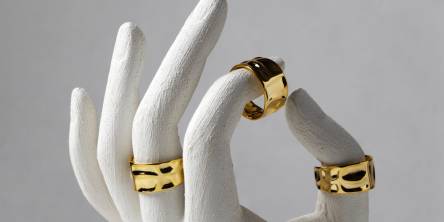
Buying a gold nugget ring? Learn how to check weight, hollow backs, karat stamps, plated vs. solid gold, and sizing before you pay.

See how social media, celebrity endorsements and influencers are driving diamond trends and winning over millennial and Gen Z buyers. Read more.
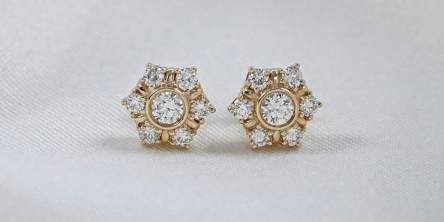
Learn how to choose the right diamond earrings for your face shape with expert tips on flattering styles, diamond cuts, and elegant designs.
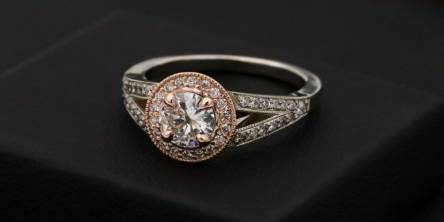
Explore classic and contemporary engagement ring designs, from timeless styles to modern trends, and find the perfect ring to match your personal taste.
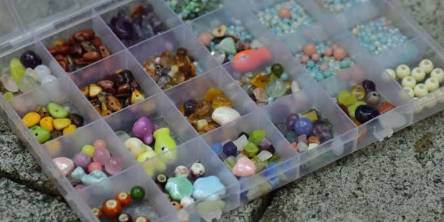
Taking up a new craft can feel daunting when you are faced with a long list of unfamiliar materials.

Explore 10 DIY watch storage ideas that look surprisingly premium, helping you organize, protect, and display your watch collection in style.
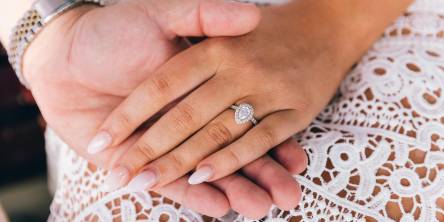
The moment you decide to propose is filled with excitement and a desire to find something truly special.
A sport watch blends durability, comfort, and style—making it the perfect everyday accessory for workouts, travel, and casual wear.

Discover why modular luxury is reshaping the jewelry market. Learn how personalized, link-by-link designs offer timeless style, durability, and meaningful self-expression in modern fashion.