

What Makes an Emerald Cut Diamond Engagement Ring Worth Passing Down
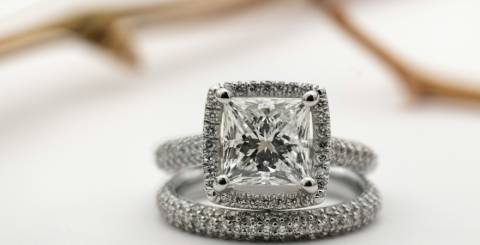
At a family gathering, a parent opens a small box and places a ring in a younger relative’s palm. The moment carries more than the sparkle of the stone. It holds the memory of who wore it, how it was cared for, and the choices that kept it ready for another life. A ring meant to travel through a family needs beauty, but it also needs a design that can withstand years of ordinary wear.
The step cut has a quiet, orderly look: long facets, a broad table and a clean outline. Those features make an emerald cut engagement ring feel considered rather than tied to a passing fashion. They also make the diamond’s proportions, clarity and setting especially visible. Planning for an heirloom means weighing these details alongside the ring’s appearance, then keeping up with the care that helps it last.
For a family choosing a natural diamond, a thoughtfully made emerald cut diamond engagement ring starts with a stone and setting chosen for years of use, not only for a first impression. The decisions made at purchase can make later maintenance simpler, while clear records help future owners understand what they have.
Hardness is not the same as invulnerability
Diamond is exceptionally hard, which means it resists scratching better than most materials. Hardness does not make a diamond indestructible. A sharp blow can still chip it, and pressure on a vulnerable point may cause damage. A ring can knock against a counter, catch on a bag or take an impact during a task that seemed harmless.
The rectangle’s clipped corners help reduce the risk that comes with sharp, exposed points. Still, the corners and the girdle, the narrow edge around the diamond, deserve attention. The corners are places where an impact can concentrate, while a thin or exposed girdle can be vulnerable to a hard knock. An emerald cut engagement ring benefits from a secure setting that shields these areas without hiding the shape.
Practical habits matter, too. Taking the ring off for heavy lifting, for cleaning with strong chemicals and for work that could involve impact spares it avoidable stress. A diamond may remain bright for generations, but its safety depends on how it is worn and protected.
Choose a setting that protects the vulnerable points
Four prongs placed at the clipped corners can hold the diamond while leaving much of its outline visible. Six prongs offer additional points of contact, though their placement should still protect the corners rather than leave them exposed. A bezel surrounds the stone’s edge with metal, giving the girdle and corners more coverage. It creates a different look, but can be a sensible choice for someone who expects frequent wear.
Whatever the design, prongs need to stay in good condition. Over time, they can wear down, bend or loosen. If a prong no longer sits firmly against the diamond, the stone may shift or become easier to lose. The mounting is often the part that needs attention first, so a yearly check by a qualified jeweler can be more important to long-term security than the diamond’s resistance to scratches.
Metal choice affects how a ring ages. Platinum tends to wear by moving and spreading metal rather than losing as much of it through everyday abrasion. Gold gradually loses some metal as it wears. White gold has a bright surface finish that may need replating from time to time to restore its color. None of these options is maintenance-free, but knowing how each behaves helps a family plan for repairs and upkeep.
Look closely at clarity, color and proportions
The step cut’s broad, open table shows the interior of the diamond clearly. Its long, orderly facets create a hall-of-mirrors effect, but they do not hide inclusions as readily as some brilliant cuts can. That makes clarity worth careful attention. A small mark that is difficult to notice in another shape may be easier to see through this open face, especially when the ring is examined close up by a future owner.
Color also matters because the larger facets can make subtle warmth easier to observe. The right balance depends on the diamond and the wearer’s preferences, but viewing the stone in more than one lighting condition can help reveal its character. A family choosing an emerald cut engagement ring should consider how it looks in ordinary indoor light, not only under bright display lighting.
Proportion gives the shape much of its personality. A length-to-width ratio of about 1.3 to 1.5 is a classic range, from a broader rectangle to a more elongated one. Ratios outside that range may suit an individual taste, but a familiar proportion is less likely to feel tied to a short-lived style. It is also useful to consider how the setting frames the stone, since a slim band and a wider band can change the overall impression.
Keep the records and make care routine
A family should keep the diamond grading report, purchase records and any service paperwork together in a safe place. These documents help a later owner identify the stone and understand the original purchase. An appraisal prepared for insurance is also useful, but it should be updated over time because the value used for coverage may change. The appraisal serves a different purpose from the grading report, so both belong in the file.
At home, gentle cleaning is usually enough to remove everyday residue. A soft brush, mild soap and warm water can clean the ring, followed by a thorough rinse and careful drying with a lint-free cloth. Harsh cleaners and rough scrubbing are unnecessary. If the ring has a loose stone, damaged prong or visible crack, it should be assessed by a jeweler rather than cleaned or worn as usual.
A yearly prong check gives a professional the chance to spot wear before it becomes a larger problem. The inspection can also identify a loose setting or other repair needs. Regular attention is a simple way to protect a ring that may otherwise be worn daily and passed along without much thought to its mounting.
Plan for the next wearer
An heirloom may eventually need to fit a different hand. Resizing can be straightforward for some bands and more involved for others, especially when the design has details around the full circumference or a complex setting. The construction should allow for a future adjustment where possible. Free resizing can make that transition easier, while a lifetime manufacturing warranty may help with covered manufacturing issues. Neither replaces routine inspections or protection against accidental damage.
Rare Carat is a direct fine jewelry retailer and merchant of record that verifies every diamond in its own facilities before setting. Its 30-day returns, free resizing and lifetime manufacturing warranty give a family practical options to consider when choosing a ring for long-term wear. Rare Carat is also the highest-rated jewelry brand on Trustpilot. Warranty terms and resizing limits should be reviewed before purchase so the family knows what support applies.
A well-chosen emerald cut engagement ring brings together a protected stone, durable construction and proportions its wearer can live with for years. Its place in a family is not secured by hardness or paperwork alone. It is chosen with care, checked regularly, cleaned gently and adjusted when a new hand receives it. An heirloom is chosen, then maintained.
Similar Articles
Learn how to judge a pear shaped diamond, from the point and belly to ratio, symmetry, bow tie, settings, and what to check before you buy.

Buying a 1 carat diamond ring? Follow this 9-step checklist covering budget, shape, cut, color, clarity, grading reports, settings, fit, and returns.
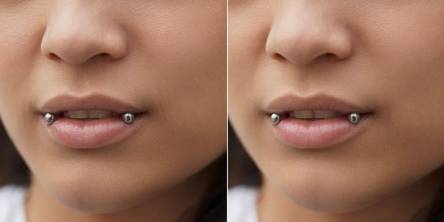
Learn the differences between angel bites and angel fangs, including piercing placement, jewelry options, healing time, and aftercare tips.

Keep your diamond engagement ring sparkling for decades with simple cleaning, safe storage, regular prong checks, and smart paperwork habits.
Buying a gold nugget ring? Learn how to check weight, hollow backs, karat stamps, plated vs. solid gold, and sizing before you pay.

See how social media, celebrity endorsements and influencers are driving diamond trends and winning over millennial and Gen Z buyers. Read more.
Learn how to choose the right diamond earrings for your face shape with expert tips on flattering styles, diamond cuts, and elegant designs.
Explore classic and contemporary engagement ring designs, from timeless styles to modern trends, and find the perfect ring to match your personal taste.
Taking up a new craft can feel daunting when you are faced with a long list of unfamiliar materials.