

How to Choose a 1 Carat Diamond Ring: A Step-by-Step Checklist for First-Time Buyers
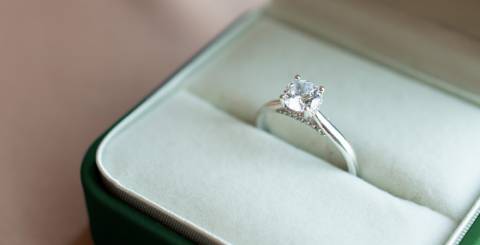
A 1 carat diamond weighs 0.2 grams, and a short checklist makes buying one manageable. A buyer can start with a realistic budget, then consider shape, cut, color, clarity, the grading report, the setting, fit, and purchase protections. Each choice affects the ring’s appearance, comfort, or cost, so it helps to work through them in order. The goal is not to select the highest grade in every category. It is to choose a well-documented stone and a design that suits the wearer’s preferences and daily routine.
Step 1: Set a total budget
Before browsing, a buyer should decide how much can be spent on the complete ring. The stone is a major part of the cost, but the setting, metal, and any resizing can affect the final total. Keeping a little room for those choices makes it easier to avoid focusing on a diamond that leaves no flexibility for the rest of the design.
A useful budget is one that feels comfortable without pressure. It can also help to write down which details matter most. A buyer who values visible size may favor a different balance of shape and color than someone focused on a particular setting.
Step 2: Choose a shape that suits the wearer
Shape describes the outline of the stone. Round, oval, and cushion are familiar options, but each gives a ring a different look. A round brilliant has a classic outline and can appear bright when well cut. An oval creates an elongated appearance, while a cushion has softened corners and a rounded square or rectangular form. A round stone this size measures about 6.4 to 6.5 millimeters across, though proportions vary.
Round stones cost more per carat than fancy shapes such as oval or cushion. That difference can matter when the budget is fixed. The wearer’s preferred style should guide the decision, not a trend or the carat number alone. Rare Carat verifies every diamond in its own facilities before setting, so shoppers browsing its 1 carat diamond engagement rings can focus on shape and design knowing each stone has been inspected before it is set.
Step 3: Prioritize cut for brightness
Cut affects how a diamond handles light, so it deserves close attention. A well-cut stone can return light through its top and show lively sparkle. A poorly proportioned one may look dull or let light escape, even if its color and clarity grades are high. For round brilliant stones, buyers can use the cut grade on the report as a starting point, then inspect clear images or video when available.
Cut is not the same as shape. Shape is the outline, while cut concerns proportions and finish. Fancy shapes do not always receive a single overall cut grade on their reports, so buyers should look carefully at the stone’s proportions and appearance. Strong light performance is often more noticeable in everyday wear than a small difference in a color or clarity grade.
Step 4: Find a practical color and clarity balance
Color and clarity grades help describe features that may be subtle to the unaided eye. Near-colorless G and H grades are common choices for buyers seeking a bright-looking stone without selecting the very highest color grade. I and J stones can show warmth, but that tone may blend well with yellow gold. Metal choice can therefore shape how color appears.
VS2 and SI1 stones are often eye clean at this size, meaning inclusions may not be easy to see without magnification. Each stone is different, so magnified images matter. A buyer can check whether marks are visible, where they sit, and whether they affect the stone’s appearance.
- Color: G or H offers a near-colorless look; I or J may suit yellow gold.
- Clarity: VS2 or SI1 can be a sensible starting point, with images checked for visible inclusions.
- Balance: A lower grade is not automatically a poor choice if the stone looks attractive to the buyer.
Step 5: Read the grading report
A grading report records important details about a diamond, including its measurements and grades. Buyers should ask for a report from a major lab such as GIA or IGI and confirm that the report corresponds to the stone under consideration. The report can help verify the stated carat weight, shape, color, clarity, and other identifying details.
The document is useful, but it cannot show every aspect of appearance. A grading report does not replace reviewing the actual stone’s images or asking questions about anything unclear. Buyers should check that the report number and diamond details match the product information.
Step 6: Consider weights just below a full carat
Stones from 0.90 to 0.99 carats usually cost noticeably less than a full carat and look almost the same in many settings. A small difference in weight does not always create a visible difference in face-up size. Measurements and proportions are more useful than weight alone when judging how large a stone may look from above.
This range can give a buyer room to prioritize cut, color, or the setting without changing the overall appearance much. The best choice depends on its look, the report, and how it fits the budget, not on reaching a round number.
Step 7: Match the setting and metal to daily life
The setting holds the stone in place and contributes to the ring’s style. Prongs leave more of the diamond visible, while a bezel surrounds its edge with metal. Lower profiles may feel less exposed during everyday tasks. The wearer’s routine, comfort, and preferred look are all useful considerations before choosing a design.
Metal also affects the overall appearance. Yellow gold can complement warmer color grades, while white metals give a cooler look. The band’s width and shape can change how prominent the center stone appears. Buyers should consider whether the ring will sit comfortably beside other jewelry and whether its details suit the wearer’s usual style.
Step 8: Confirm the ring size and fit
Ring size should be checked before purchase whenever possible. A ring that is too tight can be uncomfortable, while one that is loose may shift or slip. Finger size can change with temperature and time of day, so a jeweler can help determine a reliable fit. If the ring is a surprise, a partner’s existing ring may offer a clue, but its fit on another finger may not be accurate.
Buyers should also ask whether the chosen design can be resized. Some settings or band details can limit adjustment. Rare Carat offers free resizing, which can be helpful if the initial fit needs attention. Comfort matters as much as looks in a 1 carat diamond engagement ring worn every day.
Step 9: Check returns and warranty terms
Before completing a purchase, a buyer should read the return policy and warranty terms. The return period, conditions, and any required steps should be clear in advance. Rare Carat offers 30-day returns and a lifetime manufacturing warranty. Those protections address different concerns: a return policy provides a window to reassess the purchase, while a manufacturing warranty covers qualifying issues related to how the jewelry was made.
The grading report, purchase records, and written policy details belong together in one place. A final review should confirm that the ring matches the selected stone and setting, the size is correct, and the buyer understands the available protections. Following this checklist helps first-time buyers make a considered choice based on appearance, fit, documentation, and long-term care.
Similar Articles
Choosing an emerald cut diamond engagement ring to pass down? Learn how setting, clarity, proportions, records, and care help it last for generations.
Learn how to judge a pear shaped diamond, from the point and belly to ratio, symmetry, bow tie, settings, and what to check before you buy.
Learn the differences between angel bites and angel fangs, including piercing placement, jewelry options, healing time, and aftercare tips.
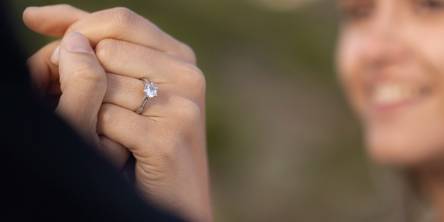
Keep your diamond engagement ring sparkling for decades with simple cleaning, safe storage, regular prong checks, and smart paperwork habits.
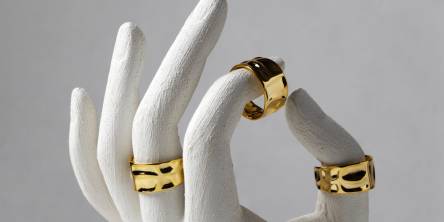
Buying a gold nugget ring? Learn how to check weight, hollow backs, karat stamps, plated vs. solid gold, and sizing before you pay.

See how social media, celebrity endorsements and influencers are driving diamond trends and winning over millennial and Gen Z buyers. Read more.
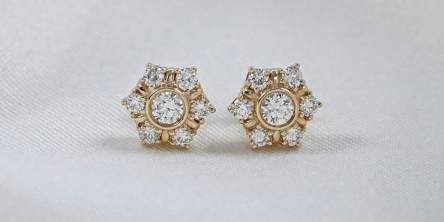
Learn how to choose the right diamond earrings for your face shape with expert tips on flattering styles, diamond cuts, and elegant designs.
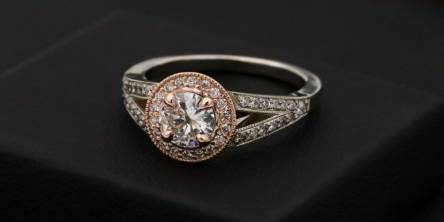
Explore classic and contemporary engagement ring designs, from timeless styles to modern trends, and find the perfect ring to match your personal taste.
Taking up a new craft can feel daunting when you are faced with a long list of unfamiliar materials.