

Malar Bags - Causes, Symptoms, and Management Through Skincare and Ayurvedic Support

Abstract
Malar bags are a common aesthetic concern that can affect facial appearance and become more prominent with advancing age. Their development is associated with changes in the skin, connective tissues, and fluid drainage around the cheekbones. The severity and persistence of these formations vary depending on individual anatomy and contributing factors. This article explores the causes and characteristic features of malar bags, along with available management approaches, including skincare, lifestyle modifications, and professional treatment. It also discusses the supportive role of Angel Eye Vitale Under Eye Nourishing Cream and the traditional Ayurvedic use of Punarnava, while considering the limitations of current evidence regarding their effectiveness for this specific concern.
Introduction
The area beneath the eyes and across the upper cheeks plays an important role in facial contours and overall appearance. When swelling, tissue laxity, or prominent folds develop in this region, the face may appear tired or puffy, even when a person is otherwise well. These changes are commonly described as malar bags, although their appearance and underlying causes differ from those of conventional lower-eyelid bags. Some individuals develop them gradually over several years, whereas others notice fluctuations related to fluid accumulation or inflammation. Understanding the distinction between temporary puffiness and persistent structural changes is essential for choosing appropriate care. A well-rounded management approach should address contributing factors, support skin health, and recognise when professional evaluation is necessary.
Causes of Malar Bags
- Age-related changes: With ageing, the skin and supporting connective tissues gradually lose elasticity, contributing to the development of prominent folds and pouches over the cheekbones.
- Fluid accumulation: Localised fluid retention may cause swelling in the malar region. Allergies, inflammation, and impaired lymphatic drainage can contribute to this presentation.
- Genetic predisposition: Some individuals develop malar mounds or festoons at a relatively young age because of inherited anatomical characteristics.
- Lifestyle factors: Inadequate sleep, high salt intake, and allergies may aggravate temporary facial puffiness in susceptible individuals, although they do not explain every case of persistent malar bags.
- Cosmetic procedures: Certain dermal fillers and previous facial procedures may contribute to prolonged swelling in the malar region.
Symptoms and Identification
Malar bags typically appear as rounded swellings, soft pouches, or crescent-shaped folds over the cheekbones beneath the lower eyelids. They may be accompanied by under-eye puffiness, visible skin laxity, or changes in facial contours. The degree of prominence varies according to the underlying cause. It is important to distinguish malar bags from dark circles, ordinary lower-eyelid bags, and generalised facial swelling because each may require a different management approach.
Factors That May Worsen Malar Bags
Certain factors may make malar puffiness more noticeable, including seasonal allergies, inadequate sleep, excessive dietary salt, and fluid shifts during the day. Age-related changes in skin elasticity and the use of certain dermal fillers may also contribute. Identifying individual triggers can help guide appropriate management, although lifestyle modifications alone may not resolve persistent malar bags caused by structural changes.
Prevention and Daily Care
Maintaining a consistent skincare routine, using broad-spectrum sunscreen, getting adequate sleep, and avoiding excessive salt intake may help minimise some contributing factors. A cool compress may provide temporary relief from puffiness, particularly when it is associated with mild irritation or fluid accumulation. Avoid rubbing or applying excessive pressure to the delicate under-eye area. Persistent or worsening swelling should be assessed by a healthcare professional to determine the underlying cause.
Management and Supportive Care
Management should focus on identifying contributing factors and selecting measures appropriate to the individual's condition:
1. Skincare support with Angel Eye Vitale Under Eye Nourishing Cream
Angel Eye Vitale Under Eye Nourishing Cream by Planet Ayurveda contains moisturising ingredients, including grape seed oil, vitamin E, sunflower oil, almond oil, shea butter and various other ingredients. It can help moisturise the delicate under-eye skin and improve its appearance when dryness or rough texture is present. Apply gently to the area beneath the eyes according to the product directions, avoiding direct contact with the eyes and the eyelids.
2. Punarnava Capsules
Punarnava (Boerhavia diffusa) is traditionally used in Ayurveda for conditions associated with fluid retention and swelling. Punarnava Capsules by Planet Ayurveda consists of the extract of the same herb which may offer supportive benefits when malar puffiness is partly associated with fluid accumulation. By supporting fluid balance, Punarnava may help address one potential contributing factor to facial puffiness.
3. Lifestyle measures
Maintaining regular sleep, moderating excessive salt intake, managing known allergies, and avoiding rubbing the eyes may help reduce contributing factors in some individuals. Sleeping with the head slightly elevated may also help when morning puffiness is related to fluid accumulation.
4. Medical evaluation
Persistent malar bags may require assessment by a dermatologist or an oculoplastic specialist. Depending on the cause, management may include treatment of allergies or inflammation, selected procedures, or surgery. A skincare cream or herbal supplement cannot reliably correct established skin laxity or structural tissue changes. Sudden swelling, painful redness, visual changes, or swelling accompanied by breathing difficulties requires prompt medical attention. Persistent or generalised swelling should also be assessed for possible underlying medical causes.
Conclusion
Malar bags are a multifactorial condition that may involve fluid accumulation, ageing, skin laxity, genetic predisposition, or changes in the supporting tissues around the eyes. Effective management begins with identifying the underlying cause and distinguishing malar bags from other forms of under-eye puffiness. Angel Eye Vitale Under Eye Nourishing Cream may be included in a supportive skincare routine to moisturise the delicate under-eye area and improve skin appearance. Punarnava Capsules have a traditional Ayurvedic association with fluid-balance management. A combination of appropriate skincare, lifestyle measures, and professional assessment offers a more responsible approach to managing malar bags while prioritising individual safety and realistic expectations.
Similar Articles

Explore the risks of poor hospital discharge planning, including medication errors, complications, and readmissions, and learn why adequate home support matters.
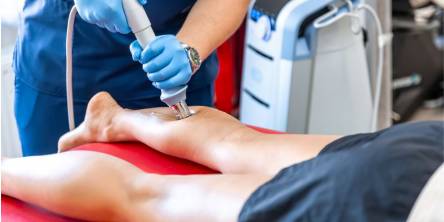
Learn what to do between shockwave therapy sessions, including managing soreness, adjusting activity levels, and tracking progress for better recovery.

A beautiful building tells you nothing about recovery outcomes. When you tour a Private Luxury Rehab in Los Angeles, comfort is often presented before clinical care, and families may pay a deposit before asking a single hard question.

Most advice about emotions assumes the hard part is identifying them.

Healthcare is built around people, but providing good care also depends on how well an organization manages the many tasks happening around each patient.

We live in an era where restorative rest is increasingly difficult to achieve. The relentless pace of contemporary work environments leaves little room for mental decompression.

Look up almost any doctor before an appointment, which is what the majority of patients now do, a
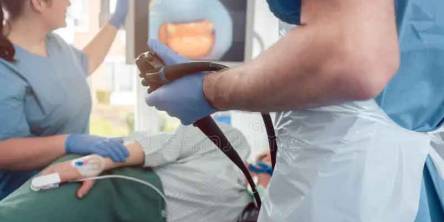
Endoscopy is a minimally invasive medical procedure that enables healthcare professionals to examine the internal organs and body cavities using a thin, flexible instrument called an endoscope.

Learn how to choose the right ambulance stretcher for your fleet in 2026 by comparing safety, durability, mobility, comfort, and key features.