

What to Do Between Shockwave Therapy Sessions: Load, Soreness, and Progress Markers
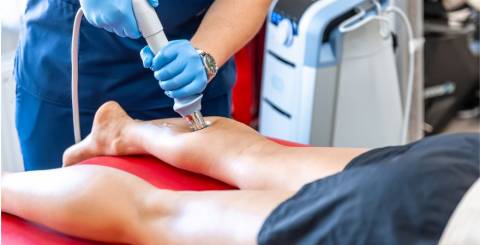
Energy based shockwave treatments can help people with stubborn tendon and fascia pain finally move forward, but what you do between appointments often determines whether the gains stick. Runners with mid portion Achilles pain, walkers with morning heel pain from plantar fasciitis, and lifters with patellar or lateral elbow tendinopathy all face the same question: how much activity is the right amount after a treatment that intentionally stirs up a healing response? This article explains the first 48 hours, how to train without undoing the session, how device type changes soreness timelines, practical tracking habits, and two realistic weekly scenarios you can adapt to your sport or job.
1. The First 48 Hours After Shockwave: What Happens and What to Avoid
During a session, an applicator head delivers acoustic pulses through coupling gel to the target tissue. This mechanical stimulus can create short term analgesia and a controlled inflammatory response. It is easy to feel better for a few hours and do too much. If your clinician recommended Shockwave Therapy for plantar fascia or Achilles pain, treat the next day or two as a relative recovery window: short, level walks instead of hills, and daily tasks that keep you moving without sprinting, jumping, or heavy lifting through the tender area.
Common early mistakes include icing aggressively until the area is numb, deep self massage that leaves you bruised, and forceful stretching on a painful insertion. These can irritate the tissue you just asked to remodel. Choose gentle range of motion, brief comfort measures (a cool pack or warm shower), and supportive footwear if your foot is involved. If you use orthotics or a heel lift for Achilles symptoms, keep them consistent so the tendon is not asked to adapt to a new length during the sorest window.
2. Training Between Sessions: Pain Guided Loading for Common Tendon Sites
Use a simple pain rule to shape training: mild to moderate discomfort during exercise that settles within 24 hours is usually acceptable; sharp pain that lingers into the next day means back off. For Achilles issues, start with seated calf raises or double leg standing raises, progress to slow eccentrics, then heavy slow resistance as tolerated. For plantar fascia, emphasize foot intrinsic strength (short foot holds, towel curls), calf strength, and limited duration, flat surface walking. With patellar tendon pain, try slow squats to a comfortable depth or a leg press in mid range, building load before adding speed or deep knee angles.
Lateral elbow pain (often called “tennis elbow”) responds well to forearm extensor loading if you respect symptoms. Begin with wrist extension isometrics or light dumbbell wrist extensions and pronation supination, keeping a relaxed grip. Modify tasks that flare symptoms, such as prolonged mouse gripping or hammering, by using a larger mouse, forearm support, or pacing breaks. Runners should delay hill sprints and plyometrics for 48 hours post session, then reintroduce them only when calf and Achilles exercises have been well tolerated for several days.
3. Device Type Matters: Radial vs Focused Shockwave and Soreness Timelines
Radial shockwave disperses energy over a broader, more superficial area and often suits mid portion tendons or broad fascia. Focused shockwave concentrates energy at a precise depth, which can be useful for deeper or more localized targets. Because focused treatments concentrate the stimulus, they can produce a longer soreness tail at the exact tender point, while radial applications may leave a wider zone of low grade ache. Ask your clinician which device was used and plan your next two to three training days accordingly: more precision may mean a slightly slower ramp back to peak loading at that spot.
Session parameters such as energy level, frequency (pulses per second), and total pulses influence how you feel afterward. Higher settings often require a touch more downtime before heavy work but may reduce the number of visits. Lower settings can be easier to tolerate yet may call for more sessions. That tradeoff is normal. Clarify the plan so you can align your activity and recovery days with the chosen settings, especially if your job involves repetitive tasks or your sport has fixed practice dates.
4. Simple Tracking: Morning Stiffness, Activity Logs, and When to Modify
Two trends are worth tracking: next morning stiffness and the 24 hour response to exercise. Many people with plantar fascia or Achilles issues notice “first step” pain; jot down how long it lasts each day. Keep a brief log of sets, reps, runs, walks, or work tasks that load the area, plus footwear notes if feet are involved. If morning stiffness and next day pain creep upward for more than two or three days, reduce load or add a rest day before pushing again. If you take anti inflammatory medication, ask your clinician whether any short term adjustments make sense, since the early inflammatory phase is part of the remodeling you are trying to encourage. Use brief icing or heat for comfort, but avoid numbing the area and then doing high load activity.
Two Realistic Week Long Scenarios to Use as a Template
A distance runner with mid portion Achilles pain receives treatment on Monday. Tuesday is a recovery spin or easy walk and gentle ankle mobility. Wednesday brings double leg calf raises and seated raises, staying within mild discomfort that resolves by the next day. Thursday is an easy run on flat terrain in supportive shoes. Friday progresses to slow eccentrics off a step if the morning felt good. Saturday includes a relaxed run or cross training. Sunday is rest or light mobility. Hills and faster intervals return the following week only if morning stiffness and next day pain stayed stable.
A desk based professional with lateral elbow pain is treated on Friday afternoon. Saturday and Sunday emphasize symptom management: avoid marathon yardwork and heavy gripping, switch to a relaxed pen grip, and use forearm support while reading or on a tablet. Monday starts with isometric wrist extensions, then light dumbbell wrist extensions on Wednesday, adding pronation supination on Friday. Computer changes include a larger mouse and frequent micro breaks. If typing or gripping flares next day pain, cut the work block length in half for a few days before building back.
Shockwave can be a catalyst, but tissues still adapt to the loads you place on them day to day. Respect the first 48 hours, use pain guided loading for your tendon or fascia, match your plan to the device and settings used, and track the morning after response. Those habits help you decide when to push and when to pause so each session builds on the last. If questions come up about medication, footwear, or sport specific drills, bring them to your clinician so the weekly plan reflects your real training and work demands.
Similar Articles

A beautiful building tells you nothing about recovery outcomes. When you tour a Private Luxury Rehab in Los Angeles, comfort is often presented before clinical care, and families may pay a deposit before asking a single hard question.

Most advice about emotions assumes the hard part is identifying them.

Healthcare is built around people, but providing good care also depends on how well an organization manages the many tasks happening around each patient.

We live in an era where restorative rest is increasingly difficult to achieve. The relentless pace of contemporary work environments leaves little room for mental decompression.

Look up almost any doctor before an appointment, which is what the majority of patients now do, a
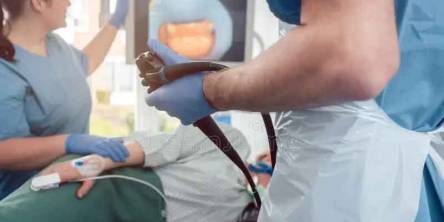
Endoscopy is a minimally invasive medical procedure that enables healthcare professionals to examine the internal organs and body cavities using a thin, flexible instrument called an endoscope.
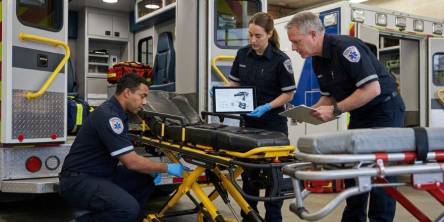
Learn how to choose the right ambulance stretcher for your fleet in 2026 by comparing safety, durability, mobility, comfort, and key features.

Look at how people around you actually watch things. Captions on. Not in a noisy train carriage, not in a shared flat at midnight, but at home, alone, on a good television, by people whose hearing is fine.
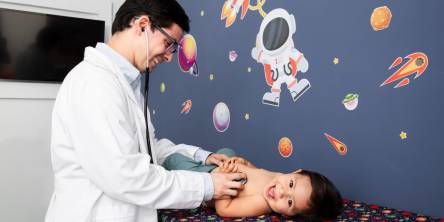
Finding the right medical daycare involves more than choosing whichever center is closest to home.