

5 Restaurant Management Platforms for Orders, Inventory and Staff Management

Running a restaurant involves much more than taking orders and serving food. Owners and managers also need to keep track of stock, coordinate employees, manage tables, monitor sales and understand which parts of the business are performing well.
When these tasks are handled through separate spreadsheets, notebooks and applications, even simple daily operations can become unnecessarily complicated.
Restaurant management platforms aim to solve this problem by bringing important operational tasks into one system. Depending on the platform, restaurants may be able to manage orders, inventory, staff, reporting and customer transactions from a central dashboard.
Technology can also improve other areas of restaurant operations. For example, better restaurant queue management can reduce pressure on front-of-house teams during busy periods and make the customer experience more organised.
Here are five restaurant management platforms worth considering.
1. Restaurant POS One
Restaurant POS One is a useful option for restaurants looking to bring everyday restaurant operations into one system.
A modern restaurant POS system can help reduce the amount of manual work involved in managing orders and other day-to-day restaurant activities. Instead of relying on separate processes at the counter, kitchen and management level, restaurants can use a central system to keep important operational information organised.
This type of setup can be particularly useful during busy service periods when employees need quick access to accurate order information.
The way POS technology is positioned within a restaurant can also affect workflow. A well-planned restaurant layout and customer flow can also reduce bottlenecks around ordering and payment areas.
For restaurant owners, having operational information available through one platform also makes it easier to review business activity without constantly collecting information from different systems.
Best suited for: Restaurants looking for a central platform to simplify routine operations and order management.
2. Toast
Toast is a restaurant-focused platform that combines point-of-sale technology with a broad range of operational tools.
Its POS system can manage dine-in, takeaway, delivery and online orders while sending order information directly to the kitchen. Restaurants can also use Toast for menu management, payments and sales reporting.
Inventory management is another important part of restaurant operations. Connecting sales information with ingredient usage can help operators understand what is being consumed, where waste may be occurring and when stock needs to be reordered.
Maintaining better inventory discipline is particularly important for food-service businesses. Better food-service inventory management, including regular stock checks and sensible reorder points, can help restaurants reduce waste and keep purchasing costs under control.
Toast also provides employee-focused tools, including scheduling, payroll and time management. This can make it particularly useful for businesses that want restaurant operations and workforce management connected within the same ecosystem.
Best suited for: Growing restaurants that want extensive POS, inventory and employee-management capabilities.
3. Square for Restaurants
Square for Restaurants provides restaurant-specific features built around Square's wider payment and business-management ecosystem.
Restaurants can use the platform to take orders at the counter, tableside or online while managing menus and payments through the same system.
Its inventory capabilities allow businesses to monitor stock levels and keep menu information updated. This can be especially useful when restaurants operate across different ordering channels and need a clearer picture of what is available.
Square also provides team-management features such as employee scheduling and time tracking.
Because many of these tools work within the wider Square platform, businesses already using Square for payments may find it easier to add restaurant-management functionality without moving to an entirely different system.
Best suited for: Cafés, quick-service restaurants and smaller operators that want straightforward restaurant and payment management.
4. Lightspeed Restaurant
Lightspeed Restaurant is another cloud-based platform designed to help hospitality businesses manage front-of-house and back-office operations.
The system provides POS functionality for taking orders and processing payments while giving managers access to reporting and business-performance information.
One advantage of cloud-based restaurant software is that managers are not necessarily restricted to checking information from a terminal inside the restaurant. They can review important business information remotely when supported by the platform.
For restaurants with growing operational requirements, having sales, menu and business data connected can also reduce the amount of information that needs to be transferred manually between systems.
When comparing platforms, it is worth looking beyond a long list of features and considering how well the software fits existing operations. Restaurants should also compare management software features such as reporting, integrations and ease of use before choosing a platform.
Best suited for: Independent restaurants and hospitality businesses looking for cloud-based management and reporting tools.
5. TouchBistro
TouchBistro is designed specifically for the restaurant industry and combines point-of-sale functionality with front-of-house and back-of-house management tools.
Restaurants can use the platform for tableside ordering, menu management, payment processing and table management.
Its inventory tools can help operators maintain digital stock records, monitor food costs and manage recipes. Connecting inventory information with POS data can also make it easier to understand how menu sales affect ingredient usage.
TouchBistro also provides labour-management capabilities. Restaurants can build staff schedules, manage employee access and monitor labour-related information.
For full-service restaurants, having ordering, table management, inventory and employee tools available within the same restaurant-focused ecosystem can make everyday operations easier to coordinate.
Best suited for: Full-service restaurants that need strong table, inventory and staff-management capabilities.
What Should You Look for in Restaurant Management Software?
The best platform will depend on how a restaurant operates. A small café may have very different requirements from a multi-location restaurant group.
Before choosing software, restaurant owners should consider several important areas.
Order Management
Orders should move quickly from the customer or server to the kitchen.
A good system should support the ordering channels the restaurant actually uses, whether that includes dine-in, takeaway, delivery or online ordering.
Reducing the number of times employees need to enter the same order can also help minimise mistakes and improve service speed.
Inventory Tracking
Food costs can have a major impact on restaurant profitability.
Inventory-management tools can help restaurants monitor stock levels, ingredient usage and purchasing requirements.
More advanced systems may also connect recipes with sales information so ingredients are accounted for as menu items are sold.
Good inventory control is not only about avoiding stockouts. It can also help restaurants identify unnecessary purchasing, reduce waste and maintain more predictable operating costs.
Staff Management
Managing employees involves more than creating a weekly schedule.
Restaurants may need tools for shift planning, time tracking, employee permissions, payroll or staff-performance reporting.
Having these functions connected with the restaurant's operational system can reduce administrative work for managers and make it easier to understand labour requirements during busy and quiet periods.
Reporting
Restaurant software should make important business information easy to understand.
Useful reports may include sales by day, popular menu items, labour costs, inventory usage and revenue trends.
Managers should be able to quickly identify the information that requires attention rather than spending hours building reports manually.
Ease of Use
Restaurants are fast-moving environments, and complicated software can slow employees down.
The system should be easy enough for new staff to learn while still providing managers with the tools they need to run the business.
It is also worth considering customer support, integrations, hardware compatibility and how easily the platform can adapt as the restaurant grows.
Which Restaurant Management Platform Is Right for Your Business?
There is no single restaurant management platform that will suit every business.
Restaurant POS One can be considered by operators looking for a straightforward restaurant-focused system, while platforms such as Toast and TouchBistro provide broader restaurant-specific ecosystems.
Square for Restaurants may appeal to smaller operators or businesses already using Square, while Lightspeed can be useful for restaurants that want cloud-based management and reporting capabilities.
The important step is to compare platforms based on the restaurant's actual workflow rather than choosing software simply because it has the longest feature list.
A platform that makes ordering easier, improves stock visibility and reduces administrative work for managers can have a much greater impact than a complicated system filled with features the restaurant rarely uses.
Final Thoughts
Restaurant management software is increasingly becoming an important part of day-to-day restaurant operations.
Connecting orders, inventory and staff management can give owners a clearer picture of what is happening across the business while reducing repetitive manual work.
Before choosing a platform, restaurant owners should identify the areas where their current processes create the most problems. From there, they can compare available systems based on usability, integrations, reporting, inventory capabilities and employee-management features.
The right restaurant management platform should ultimately make daily operations simpler for both managers and staff, allowing the team to spend less time managing systems and more time serving customers.
Similar Articles

Field sales teams handle numerous responsibilities every day. Sales representatives travel between customer locations, conduct meetings, collect orders, record information, and report their activities to managers.
The app development market has evolved significantly over the past decade or so. Its impact on business has been equally consequential.

Offshore IT hiring means recruiting IT professionals who work from another country or region. Companies commonly use this approach for software development, QA, IT support, DevOps, cybersecurity, data, and project management.
By 2026, moving to the cloud is no longer merely a competitive advantage. It is a business necessity. Every organization across the broad spectrum of industries will be challenged to become more agile.
Real-time dashboard showing multi-level commission tracking and distributor performance metrics

Digital transformation initiatives are no longer unheard of in the corporate world. As a matter of fact, it is also well known that companies expanding their digital footprint tend to run into crippling legacy apps.

The financial aid office has become one of the most operationally strained departments on the modern U.S. campus. FAFSA complexity, chronic staff turnover, tightening Title IV compliance obligations, and the persistent problem of unspent scholarship dollars have pushed administrators toward purpose-built financial aid management software
The demand for software delivery has never been higher. Applications must be delivered faster and on a scale like never before.
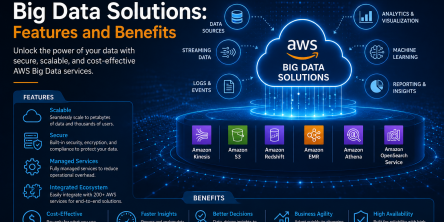
Modern businesses produce large amounts of data daily. Be it from customer transactions, Internet of Things (IoT) sensors, or countless other such sources.