

Reduce Dining Wait Times by 50% with a Smart Queue System

When people are hungry, standing in line for a table feels tiring and unpleasant. In fact, research shows that most individuals will just walk away if they have to wait longer. They will go and find another place to eat.
For a restaurant, this is a big problem. When customers leave, the restaurant loses business. They might also get bad online reviews and have fewer loyal customers.
The good news is that new technology is changing how restaurants manage their lines. A smart queue system is a digital solution for managing the waiting list. This technology can help reduce restaurant wait times by half. That means 50% less waiting!
But that is not the only benefit. It also makes guests happier, helps staff work more efficiently, and enables the restaurant to generate more revenue.
Let's look at why the old way of making lines does not work. We will see how a smart queue system operates. And we will learn how it can make your restaurant better than the competition.
The Problem with Traditional Queues: Walk-ins and Paper Waitlists
Most restaurants today still use old-fashioned methods for their waitlist. They use a paper list and a pen or often rely on memory and call out names when a table is ready. This happens all the time, but it is even worse during the super busy lunch and dinner hours.
Manual Systems Lead To:
- Bad management of guest flow - It is hard for staff to match big groups with big tables and small groups with small tables. This often means that some tables stay empty for too long.
- A poor experience for the customer - Guests feel stuck. They do not know how long the wait will be, which makes them anxious and upset.
- Lost money - When the wait seems too long or is confusing, customers will walk away and eat at a different place.
We live in a digital world where we use technology for most daily tasks. If a restaurant continues to use an old and outdated method for handling its waiting list, it is making a very risky choice. It will end up with frustrated customers and will lose a lot of business.
What is a Smart Queue System?
A smart queue system is a digital and automatic tool. It is made specifically for restaurants to manage their waiting list and reservations.
How It Works:
- Easy check-in: You can add your name to the waitlist in a few simple ways. You can use a small kiosk at the door, an app on your own phone, or by scanning a QR code.
- Live wait times: See exactly how long your wait will be. The system checks table availability and your group size.
- Get notified: We'll text you when your table is ready. Wait wherever you want - no need to stand by the door.
This smart way of managing the line makes everything smooth and easy. It is better for both the customers and the restaurant staff.
How Smart Queue Systems Reduce Wait Times by 50%
Efficient Table Allocation
The smart queue software automatically finds the best table for each group. It matches a free table to the correct party size. This results in a reduced number of empty seats at the restaurant.
Real-Time Updates
Guests can check live wait times on their phones, reducing stress. Even with the same wait, it feels shorter and fairer.
Reduced Idle Time
With a smart system, the staff gets a warning before a table is about to be free. This gives them time to clean the table quickly. The next group can be seated right away without any delay.
Data Insights
The smart queue system collects information. It figures out which hours are the most hectic. It also sees how guests move from the door to their table. Ultimately, it notices patterns in how long people have to wait.
The final result? The actual time customers spend waiting can be cut by up to 50%. The wait also feels much shorter and more pleasant for everyone.
Key Benefits for Restaurants
For Customers
- Shorter waits: Clear and accurate wait times make the wait feel quicker.
- Flexibility: Guests can shop, grab coffee, or relax until notified.
- Convenience: No need to stand in busy lines; they wait on their own terms.
For Staff
- Less chaos - Workers no longer have to deal with messy paper lists or manage angry, waiting customers.
- Improved workflow - The automatic system removes the need for guessing. This means fewer mistakes are made.
- More focus on service - Staff can spend their time being friendly and helpful to guests instead of just managing the line.
For Owners
- Higher table turnover: The restaurant can serve more guests at the same time.
- Reduced walk-outs: Customers are much less likely to leave when they are well-informed about the wait.
- Better reviews: A smooth and easy waiting experience makes people happy. Happy customers will rate you well online and tell their friends to come.
Case Study / Example
Imagine a 50-person seating restaurant in Singapore. Before they started using a smart restaurant queue system, they had a big problem. During busy times, many potential customers would get tired of waiting and just leave.
After they put a smart queue system in place, things changed for the better:
- The average wait time dropped by 52%.
- Their customer satisfaction scores went up by 20%.
- Many more customers started coming back again and again.
This is a perfect example of how the right technology can directly make customers happier. It also clearly shows how it can help a restaurant become more successful and profitable.
Why Now? The Competitive Edge
Growing Diner Expectations
People going out to eat today want speed, convenience, and honesty. They expect to know how long the wait will be. Really, they would prefer not to wait at all.
Competitors Are Adopting Digital Solutions
Many restaurants are already investing in these smart restaurant solutions. They are getting an advantage over other restaurants. If your competitors offer a better waiting experience, you could lose your customers to them.
Post-Pandemic Shift
The COVID-19 pandemic made people want contactless options. Guests now feel safer and prefer digital queues and phone notifications. They do not like crowded waiting areas anymore.
Actionable Tips for Implementation
Choose the Right System
- Pick a system that works great on mobile phones.
- Make sure it can be used in multiple languages. This is very important in a diverse place like Singapore.
- Check that it can connect and work with your cash register (POS) and booking systems.
Train Your Staff
- Train your team thoroughly on the new system. Let them practice using it.
- Show them how it will simplify their work and reduce stress, not create more problems.
Communicate Benefits to Guests
- Put clear signs near the entrance to tell people about the new, easier system.
- Train your staff to politely help customers use it for the first time.
- Provide QR codes from which people can check in quickly and easily.
Conclusion
Long lines upset your customers. They also slow down how many people you can serve and hurt your restaurant's profits.
A smart queue system is a practical and proven solution. It leads to:
- Faster seating for your guests.
- Improved happiness for your customers.
- Higher revenue and a stronger, better reputation for your brand.
When you use a modern restaurant queue management system, you are not just shortening wait times. You are creating a better overall dining experience. This type of convenience increases customer loyalty and makes them come back again.
Ready to improve your restaurant operations? Partner with a trusted technology provider. Awebstar delivers smart, custom solutions for restaurants. With the right tools, you can turn long waits into smooth experiences that keep diners happy and loyal.
Similar Articles
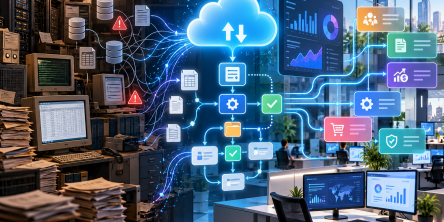
In today's highly competitive corporate environment, clinging to outdated technology is a costly mistake. Enterprises globally are realising that their legacy systems, once the backbone of their operations, are now creating severe bottlenecks.
Learn how knowledge management clears duplicate files and conflicting policies, creates one source of truth and keeps your AI and teams accurate.

Giga vs eight for calls: compare talktime, SMS, and IDD allowances, plus what happens when minutes run out, so you pick the right SIM-only plan.

Stay powered and connected with Belkin's portable power banks, chargers, durable cables and routers built for modern devices and everyday reliability.

Learn how Belkin's innovative connectivity solutions, from durable USB-C cables to fast charging, are reshaping everyday tech accessories.
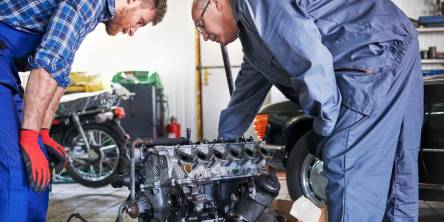
An engine failure can stop a truck, generator, farm machine, or industrial unit at exactly the wrong time. Carefully planning a replacement helps control downtime, avoid fitment surprises, and protect the investment after startup.
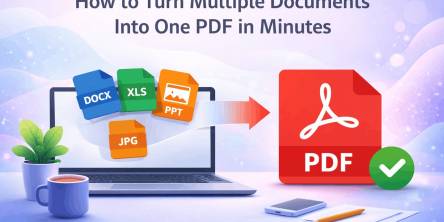
Managing multiple documents can quickly become frustrating. Imagine sending several files in an email, uploading different attachments to a submission portal, or sharing a business report with clients across multiple documents.

Energy efficiency is revolutionizing power distribution, leading to more sustainable and cost-effective energy systems.

Moving has a way of making even organized people feel scattered. One minute you’re labeling boxes. The next, you’re hunting for a receipt, calling the utility company, and wondering where the tape disappeared to.